
Travel Destinations for Fiction Writers

Setting is crucial in fiction writing. It not only grounds your story in a tangible world but also will pull your readers into an immersive experience. Whether your setting is a busy cityscape, a distant galaxy, or a mysterious underwater realm, the right backdrop can vividly bring to life the societal norms, cultural dynamics, and environmental details that enrich your narrative. In fact, it has actually inspired some destinations in my own fictional writing.
Travel is a wonderful way to gather inspiration for your writing. When you explore new places, you can:
- Absorb the atmosphere you want to recreate.
- Wander through diverse landscapes.
- Observe unique architectural styles.
- Immerse yourself in the local ambiance—something that photos or descriptions can’t fully capture.
This sensory experience is invaluable for capturing the essence of the settings in your fiction, making your stories more vivid and believable.
Here I want to guide you on how travel can be a powerful tool for research and inspiration. Here’s what we we’ll cover:
- Essential skills for writing compelling fiction.
- Common themes in modern fictional narratives.
- Techniques to vividly describe settings.
- Travel destinations that can enrich your storytelling journey.
1. The Skills Required for Writing Fiction
Writing fiction requires a unique set of skills to create captivating stories that transport readers into your crafted worlds. Here are the key abilities needed:
Good storytelling ability
Captivating readers in any setting—whether historical, fantastical, or modern—requires excellent storytelling. The plot should seamlessly blend with the backdrop, bringing the world to life through interesting characters and vivid descriptions.
Excellent research skills
While accuracy is especially crucial in historical fiction, research is important in all fiction writing. This might involve understanding the specifics of a location, the nuances of a profession, or the details of a certain lifestyle. Well-researched details can enhance the realism of your story, making it more engaging and believable.
Developing empathy
Writers must have a deep understanding of their characters’ backgrounds and societal norms. This empathy ensures that characters behave and think in ways that are true to their environment. Grasping the motivations and emotions of characters from any setting adds richness and authenticity to the narrative.
Each of these skills plays a crucial role in creating a believable and immersive experience for readers, drawing them into worlds both familiar and unknown. The combination of effective storytelling, thorough research, and empathetic character understanding forms the basis of compelling fiction writing.

2. Thematic Premises of Fiction
Themes are the backbone of fiction, providing depth and resonance to stories across all genres. Common thematic premises include:
Love
Romantic relationships often serve as a central theme, offering a personal lens through which larger life or societal events are experienced. For example, in many contemporary novels, love might navigate complex modern relationships or cultural clashes.
Power
The struggle for power is a frequent theme across genres. This can manifest through corporate battles, family dynasties, or personal empowerment journeys, much like political intrigue in historical settings.
Identity
Characters grappling with their sense of self amid changes in their lives or environments is a recurring theme. Stories may explore identity in contexts ranging from adolescence in young adult fiction to rediscovery in literary fiction.
Survival and Resilience
Illustrating thematic coherence around survival and resilience can deeply engage readers. This theme often intertwines with characters overcoming significant challenges, whether in dystopian landscapes, personal crises, or against natural disasters.
By grounding your narrative in these thematic premises, you create relatable and engaging fiction that resonates across diverse settings and genres. Themes anchor your story in universal human experiences, enhancing the connection between your readers and your characters.

3. The Research Process for Authenticity in Fiction
Thorough research is crucial in crafting believable fiction. It grounds your narrative in realism, whether you’re setting your story in a real city, a distant future, or a fantasy world.
Why Thorough Research Matters
Accuracy enhances immersion. Readers want to feel transported into the story’s world, and discrepancies can disrupt this experience. Research ensures every detail—from technological jargon in a sci-fi novel to magical elements in fantasy—is plausible and well-integrated.
Using Different Sources
Finding reliable sources is essential. Here are some options across genres:
- Primary sources: For stories set in real places or historical periods, items like maps, photographs, and personal accounts offer invaluable insights.
- Secondary sources: Books, articles, and analyses provide context and depth, helping you understand broader themes and settings.
- Digital archives and libraries: Online resources can be perfect for writers, offering access to a wide array of materials for any setting.
- Field research: Visiting locations relevant to your story or engaging with communities and experts can inspire authentic descriptions and scenarios.
Using a mix of these resources enriches your writing, providing a solid foundation that makes your fictional world compelling and credible.
4. Creating an Authentic Vocabulary for Fiction
Crafting an authentic vocabulary is also essential in fiction writing, not just in historical settings but in any genre that requires specific linguistic touches—be it sci-fi, fantasy, or contemporary fiction.
Balancing Genre-Specific Language and Readability
- Research Genre-Specific Language
Investigate the language and jargon that fits your genre. For futuristic sci-fi, this might include technical terms; for fantasy, perhaps invented languages or spells.
- Avoid Overuse of Specialized Terms
Use genre-specific terms judiciously to enhance the setting without alienating readers. For example, in a fantasy novel, use magical terms sparingly and ensure they enhance rather than complicate the narrative.
Incorporating Modern Sensibilities
- Contextual Clarity
Provide clues within the context to help readers understand unfamiliar terms. This could be done through dialogue, description, or the narrative voice.
- Glossary or Footnotes
Consider adding a glossary or footnotes if your story includes many unique or invented terms. This can help maintain the flow of reading while educating your audience.
Practical Tips for Writers
- Dialogue Practice
Practice writing dialogues that reflect the setting and characters while sounding natural and relatable to contemporary readers.
- Test with Beta Readers
Use beta readers from your target audience to gauge if the vocabulary feels authentic and understandable, even to those unfamiliar with the genre.
By applying these methods, you create a rich and immersive reading experience that brings your fictional world to life while keeping it accessible and engaging.

5. Understanding the Historical Mindset of Characters in Fiction Writing
Understanding the mindsets of characters is crucial for crafting believable and relatable narratives in any fiction genre. Characters are shaped by the cultural and societal norms of their environments, whether these are historical settings, futuristic societies, fantasy worlds, or contemporary realities.
Cultural Norms
Cultural norms dictate a society’s values, traditions, and everyday practices, which influence characters’ motivations and conflicts. For example:
- In a futuristic society: Technology and scientific advancement might prioritize efficiency over emotion, shaping how characters interact and make decisions.
- In a fantasy world: Magical or mythical elements could dominate belief systems and societal structures, guiding characters’ destinies and choices.
Societal Norms
Societal norms encompass the laws, customs, and expectations specific to the setting. Examples include:
- In a dystopian future: Strict governmental controls and societal surveillance could govern characters’ freedoms and spur rebellions.
- In modern urban settings: Social media and digital connectivity might influence characters’ relationships and self-perceptions.
Examples from Literature
- In George Orwell’s 1984, Winston’s actions and thoughts are profoundly shaped by the oppressive political climate of his world.
- J.K. Rowling’s Harry Potter series showcases how the wizarding world’s norms and expectations influence the young characters’ development and adventures.
Exploring these aspects allows you to create more authentic and immersive settings. By understanding what drives your characters within their specific contexts, you can effectively portray their struggles, dreams, and growth.

6. How Traveling Can Inspire and Improve Fiction Writing
Traveling offers invaluable benefits for writers across all genres of fiction. Immersing yourself in diverse locations allows you to capture the essence of various settings with unparalleled authenticity. Whether your story unfolds in ancient ruins, bustling modern cities, or quiet, rural landscapes, being there in person can ignite inspiration and provide concrete details that enrich the narrative’s richness.
Benefits of Visiting Relevant Locations
- Sensory Details: Experiencing the sights, sounds, and smells of a location helps create vivid descriptions in your writing.
- Contextual Understanding: Observing the architecture, landscapes, and cultural artifacts provides context that books and online sources may miss.
- Emotional Connection: Connecting physically with a setting fosters a deeper emotional connection to the story you’re telling.

Examples from Renowned Writers
Many accomplished writers have drawn creative stimulus from their travels:
- Ian McEwan: Known for his attention to detail, McEwan often visits his settings to ensure the authenticity of his depictions in contemporary fiction.
- George R. R. Martin: His travels to historic European castles and landscapes inspired the vivid settings in A Song of Ice and Fire.
- Elizabeth Gilbert: Her experiences traveling for a year, which she documented in Eat, Pray, Love, directly inspired the settings and themes of her bestselling novel.
Travel not only enriches your understanding but also invigorates your creativity, making it an indispensable tool for any writer aspiring to craft compelling fiction that resonates with readers.
Travel Destinations for Fiction Writers
Exploring travel destinations can be an invaluable resource for historical fiction writers. Experiencing the atmosphere, architecture, and culture of historical sites firsthand allows you to authentically recreate these settings in your work.
Why Visit Historical Sites?
Visiting historical sites can provide inspiration and knowledge that goes beyond what you can find in books or online research. Here’s why it’s worth considering:
- Immerse Yourself in History: Being physically present in a place where significant events took place can give you a deeper understanding of the past.
- Sensory Details: By using your senses to observe the surroundings – the smells, sounds, and textures – you can add realistic details to your writing.
- Discover Untold Stories: While popular historical events are well-documented, there may be lesser-known stories or perspectives waiting to be uncovered during your visit.
Encouragement to Plan Historical Writing Journeys
Here are some examples of destinations that offer rich historical experiences:
- Rome: Explore the ruins of ancient Rome, visit the Colosseum, and walk in the footsteps of emperors.
- Kyoto: Immerse yourself in traditional Japanese culture by visiting temples, gardens, and historic districts like Gion.
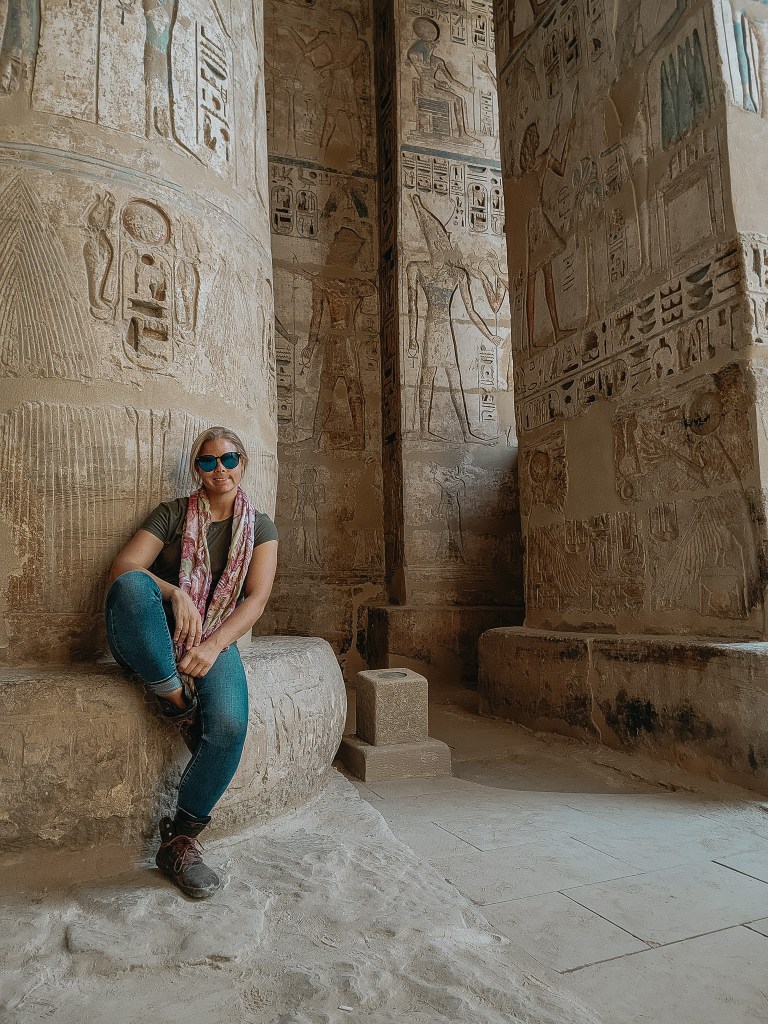
- Cairo: Discover the wonders of ancient Egypt with a trip to the Pyramids of Giza and the Egyptian Museum.
Suggestions for Finding Perfect destination
If you’re ready to embark on a fictional writing journey, here are some tips for finding the perfect destinations:
- Travel Guides: Use travel guides specifically focused on historical tourism to identify destinations of interest.
- Online Resources: Websites like Atlas Obscura and Lonely Planet offer detailed information about historical sites worldwide.
- Local Libraries and Archives: These can provide access to old maps, documents, and photographs that bring historical periods to life.
Benefits of Engaging with Local Historians and Guides
While exploring historical sites, consider seeking out opportunities to learn from experts:
- Guided Tours: Joining a guided tour led by a knowledgeable guide can provide valuable insights and context.
- Local Historians: Reach out to historians or experts in the area you’re visiting for recommendations or interviews.
Wrap Up
Taking a step into history by visiting these destinations opens up endless possibilities for storytelling, ensuring your historical fiction is vivid and authentic. Engage with these resources and let the past inspire your writing journey.
Other posts I think you will love!
WRITING ON THE ROAD: HOW TRAVELING FUELS CREATIVITY
SAFETY TIPS EVERY SOLO FEMALE TRAVELER SHOULD KNOW
5 REAL-LIFE FAIRY TALE DESTINATIONS
TRAVEL AND PERSONAL GROWTH: 20 TIPS FOR FINDING YOURSELF WHILE GETTING LOST





6 Comments