
Africa

Travel Tips by Region:

Safety Precautions

  • Africa is diverse, and safety varies greatly by region and city. In general, stay alert in major urban areas like Nairobi, Johannesburg, and Lagos—especially after dark or in unfamiliar neighborhoods. Use registered taxis or rideshare apps like Bolt or Uber, avoid flashing valuables, and opt for hotels or guesthouses with solid reviews and security measures. In rural areas and safari parks, safety concerns are usually more about nature—follow guide instructions and wildlife rules closely. As always, travel insurance is a must for medical emergencies, theft, or unexpected changes.

Transport Tips

  • North Africa (Morocco, Egypt, Tunisia): Trains connect major cities, especially in Morocco and Egypt. Buses (like CTM or Supratours) are reliable for cross-country travel. In cities, use rideshare apps or book female-friendly taxis through hotel staff when possible.
  • East Africa (Kenya, Tanzania, Uganda): Public transport is limited, but shared minibuses (“matatus” or “dala dalas”) are common—though not always the safest for solo travelers. For inter-city travel, book private transfers, fly domestically (especially for safaris), or use trusted tour operators.
  • Southern Africa (South Africa, Namibia, Botswana): Renting a car is popular for road trips in South Africa and Namibia—just drive cautiously and avoid night driving. Long-distance bus services like Intercape or Baz Bus (South Africa) are great for budget travelers. In cities, Uber and Bolt are widely available.
  • West Africa (Ghana, Senegal, Nigeria): Transport infrastructure varies—expect a mix of minibuses, moto-taxis, and shared taxis. For safety and convenience, arrange airport pickups in advance and choose guided tours for long-distance or rural trips.
  • Island Nations (Mauritius, Seychelles, Madagascar): Domestic flights and organized transfers are best for covering long distances. In coastal towns, tuk-tuks and bicycles are a fun way to explore. Roads in Madagascar can be rough—opt for 4x4s and experienced drivers.

Cultural Etiquette

  • North Africa:
    Modesty is key, especially for women. Cover shoulders and knees when visiting mosques or rural areas. Greetings are formal—handshakes are common, but wait for the other person (especially men) to initiate.
  • East Africa:
    Respect for elders and local customs goes a long way. Wear modest clothing in villages, and always ask before taking photos of people. Greetings are often warm and involve a handshake or a hand-to-elbow gesture.
  • Southern Africa:
    A friendly, open approach is appreciated. Punctuality varies by country, and tipping is common (around 10% in restaurants). Learning a few local phrases (like “Sawubona” in Zulu or “Molo” in Xhosa) is a great icebreaker.
  • West Africa:
    Hospitality is huge here—expect warm welcomes and generous gestures. Modest dress is advised, especially in Muslim-majority regions. Respect personal space and local traditions during festivals or religious events.
  • Island Nations:
    Beach attire is fine at resorts but should be more modest in towns or villages. A relaxed, polite attitude is expected—locals are often multilingual and happy to help..

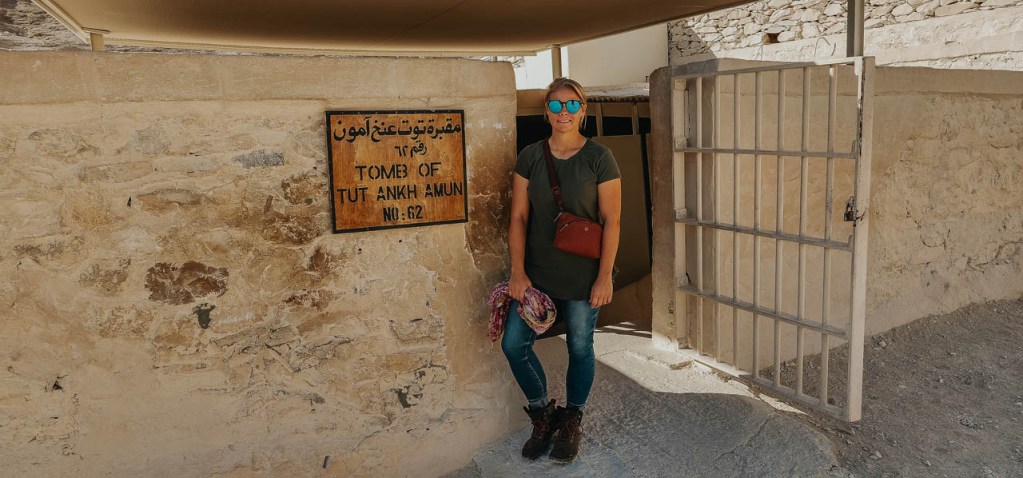
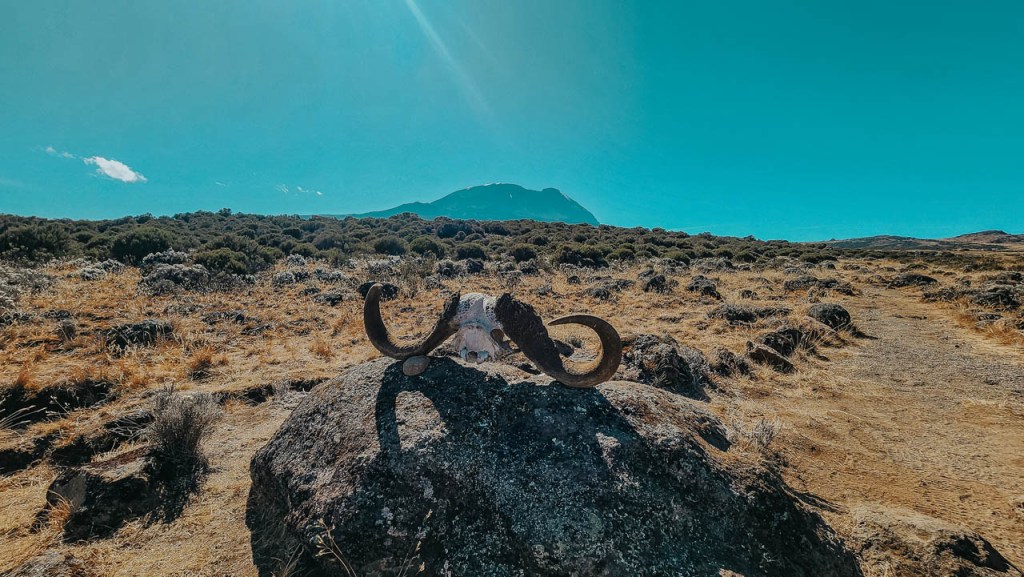
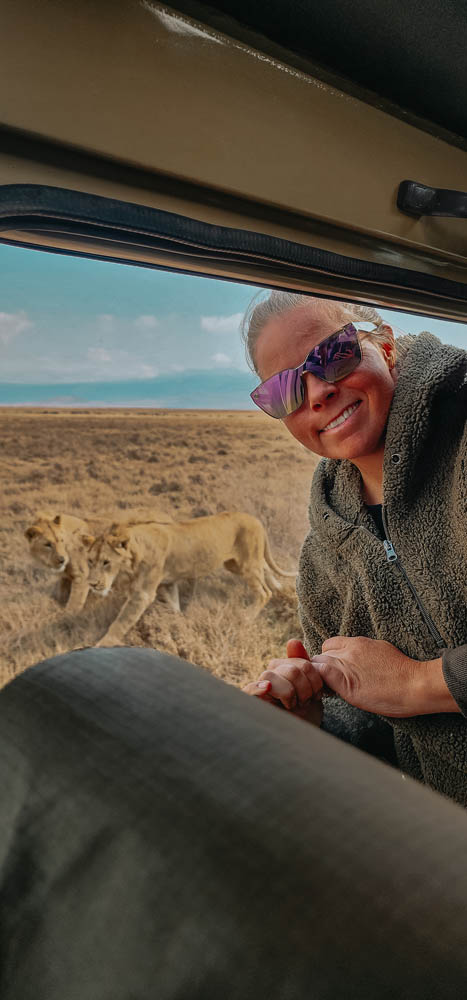
From the golden dunes of the Sahara to the vibrant souks of Marrakech, Africa is a continent that stirs the soul. For the solo female traveler, it offers a rich mosaic of cultures, landscapes, and life-changing adventures. Whether you’re hiking through the Atlas Mountains, spotting elephants on safari in Tanzania, or sipping rooibos tea in Cape Town, every corner invites deep connection and bold exploration.

Africa is not one story—it’s dozens. One day you’re tracing ancient history at the Pyramids of Giza, the next you’re soaking in the rhythms of Afrobeat in Lagos or relaxing on the white-sand beaches of Zanzibar. The continent offers everything from thriving cities and traditional villages to wildlife-rich savannahs and peaceful desert retreats.

Quick Facts:

  • Countries: 54
  • Major Languages: Arabic, English, French, Swahili, Portuguese, Zulu, Amharic
  • Prominent Rivers: Nile, Congo, Niger
  • Peak Tourist Seasons: Dry Season (June–October), Shoulder Season (March–May, November)

Best Times to Visit

East Africa (Kenya, Tanzania, Uganda):
The dry seasons—June to October and January to February—are ideal for wildlife safaris and game drives. This is the best time to witness the Great Migration in the Serengeti or catch a glimpse of gorillas in Uganda’s misty forests. Roads are more accessible, and animals congregate around watering holes, making sightings easier and more dramatic.

North Africa (Morocco, Egypt, Tunisia):
Spring (March–May) and Autumn (September–November) offer the most comfortable temperatures for exploring ancient ruins, desert landscapes, and bustling medinas. Summers can be scorching—especially in the Sahara and Egypt—so shoulder seasons are perfect for solo travel with fewer crowds and cultural festivals in full swing.

Southern Africa (South Africa, Namibia, Botswana):
May to September is dry season and perfect for safaris, hiking in the Drakensberg, or exploring the dramatic dunes of Sossusvlei. In Cape Town and the Garden Route, the summer months of November to March are ideal for coastal road trips, wine tasting, and beach days.

West Africa (Ghana, Senegal, Nigeria):
November to February is the cooler dry season and the best time to explore vibrant markets, coastal towns, and heritage festivals. Avoid the heavy rains of May–October, especially if you’re traveling inland or planning road trips between countries.

Indian Ocean Islands (Madagascar, Seychelles, Mauritius):
April to October is dry season and perfect for snorkeling, diving, and relaxing on pristine beaches. These months bring calm seas, warm sunshine, and fewer tropical storms—ideal for island-hopping or eco-lodge retreats.

Packing List

Packing for Africa depends on the regions you’re exploring—from dry deserts and lush savannahs to bustling cities and misty mountains. Versatility and climate-aware packing are essential!
  • FOOTWEAR
    Comfortable Walking Shoes – Expect varied terrain: sandy paths in Morocco, dirt trails in national parks, and cobblestone streets in historic cities. Lightweight hikers or trail shoes are ideal.
    Sandals (for warm destinations) – For beach towns or hot cities like Stone Town or Cape Town, bring breathable, supportive sandals.
  • LAYERING CLOTHES (SEASONAL ADJUSTMENTS)
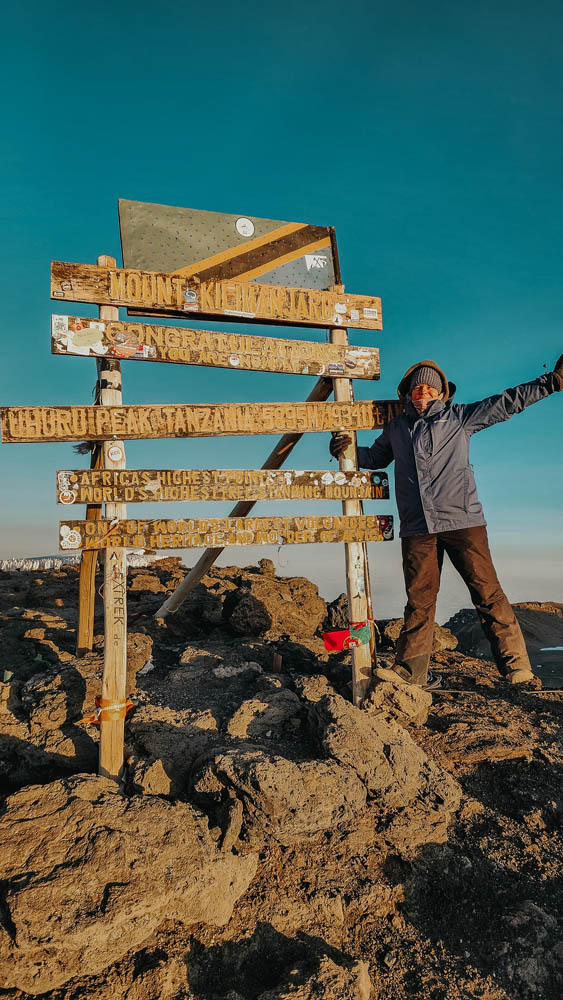
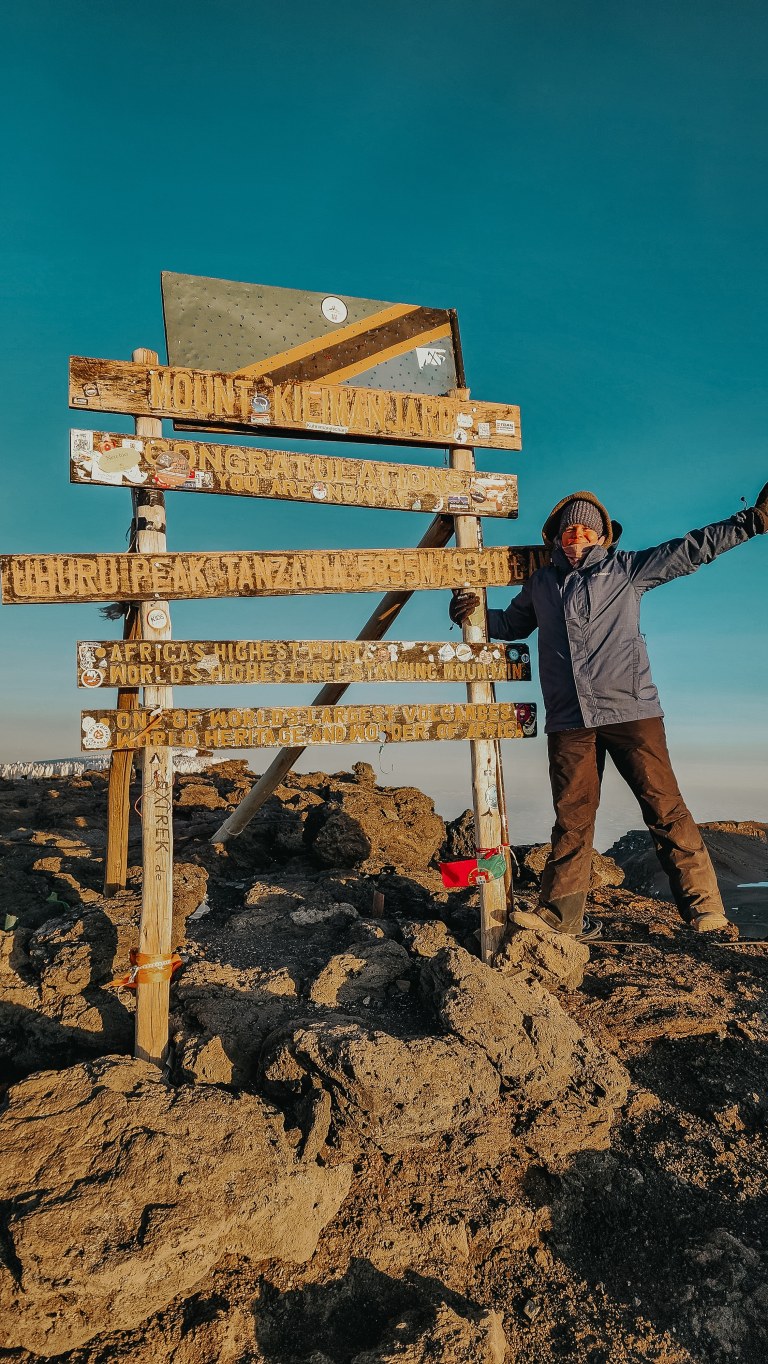
    Base Layer: Moisture-wicking thermal top & leggings are helpful for early morning safaris or mountain hikes (like Kilimanjaro).
    Mid Layer: A fleece or puffer jacket will keep you warm during cool desert nights or highland mornings.
    Outer Shell: A waterproof, windproof jacket is essential in rainy regions like Uganda or Madagascar.
  • ACCESSORIES FOR VARYING CLIMATES
    Travel Scarf: Great for sun protection, conservative dress in Muslim-majority areas, or layering on cool evenings.
    Gloves (for chilly treks or early game drives): Touchscreen-compatible gloves are helpful in high altitudes or open safari vehicles.
    Packable Hat:
    Wide-brim sun hat for desert and savannah regions (Namibia, Morocco, Kenya)
    Warm beanie for mountain regions or South Africa’s winter
  • DAY PACK
    Anti-Theft Backpack: Especially useful in urban areas like Nairobi, Cape Town, or Cairo.
    Crossbody Purse: Keep valuables secure while exploring medinas or public transport.
    Reusable Water Bottle: Hydration is crucial on hikes, safaris, and in hot climates.
  • OTHER ESSENTIALS
    Universal Travel Adapter: Africa uses a mix of plug types (C, D, G, M, and N).
    Portable Charger: Essential for long travel days, safaris, or remote villages.

my gear list

FAQ

Entry Policies Vary Widely by Country:

  • Entry Policies Vary Widely by Country:
    Africa does not operate under a unified visa system, so entry requirements differ by country and region. Here’s what travelers from visa-exempt countries (like the U.S., U.K., Canada, Australia) should keep in mind:
  • Visa-Free or Visa-on-Arrival Countries:
    Many African nations—including South Africa, Morocco, Senegal, Kenya, and Botswana—offer visa-free or visa-on-arrival access for passport holders from Western countries. Stays are typically allowed for 30 to 90 days, depending on the country.
  • E-Visas or Online Pre-Registration:
    Several countries—such as Kenya, Rwanda, Ghana, and Egypt—require e-visas or online pre-approval. These can usually be applied for via an official government portal, and the process is often straightforward. Always apply a few weeks in advance.
  • Longer Stays or Special Visas (Work/Volunteer):
    Planning to volunteer, work remotely, or study? You’ll likely need a special visa. Countries like South Africa, Ghana, and Morocco offer dedicated visas for these purposes but require advance applications and documentation.
  • Transit Tips:
    If transiting through major hubs like Addis Ababa, Nairobi, or Johannesburg, be aware of layover and transit visa rules. Some countries require travelers to stay airside or hold a transit visa if switching terminals or staying overnight.
  • Important Disclaimer:
    Visa policies can change quickly due to politics, security, or health issues. Always check the official embassy websites or use reliable government sources before you travel.

Africa’s currency systems vary significantly by region, so planning for currency exchange and payment methods is essential—especially if you’re country-hopping.

Common Currencies to Know:

  • South Africa: South African Rand (ZAR)
  • Kenya: Kenyan Shilling (KES)
  • Egypt: Egyptian Pound (EGP)
  • Morocco: Moroccan Dirham (MAD)
  • Tanzania: Tanzanian Shilling (TZS)
  • Ghana: Ghanaian Cedi (GHS)
  • Nigeria: Nigerian Naira (NGN)
  • Senegal: West African CFA Franc (XOF)
  • Rwanda & Uganda: Rwandan Franc (RWF), Ugandan Shilling (UGX)

Currency Exchange Tips:

  • Use local ATMs when possible for the best exchange rates, but notify your bank ahead of time to prevent card blocks.
  • Avoid airport kiosks—rates are typically less favorable than banks or ATMs in town.
  • Carry some USD or EUR as backup, especially in rural areas or countries with currency volatility (e.g., Zimbabwe or Ethiopia).

Multi-Currency Management:

  • Travel cards like Wise, Revolut, or Charles Schwab are great for managing conversions with minimal fees.
  • Apps like XE Currency or Currency Converter Plus help track real-time rates and keep your budgeting on point.
  • Consider keeping small denominations of local currency for tips, taxis, and markets where cards aren’t accepted.

Travel Guides