
Driving in Costa Rica: Tips for a Safe Journey
Exploring Costa Rica by car gives you the freedom to see the country on your own terms. From sun-soaked shores to misty cloud forests, there’s something unexpected around every turn. If the thought of driving in a foreign country feels overwhelming, don’t worry—Costa Rica is a safe and welcoming place for travelers, including those hitting the road on their own.
When planning your Costa Rica journey, it’s important to understand the ins and outs—from renting a car to the local laws. This will ensure you are well-prepared. So don’t worry Tiny Backpack has you covered!
Some of the links on this blog are affiliate links. If you click on one of these links and make a purchase, I may earn a small commission. Please read my disclosure policy if you’d like to know more. Your support helps me continue to provide travel inspiration.
Another great way to support my blog is by liking and subscribing. And I love it when you leave a comment and connect with me on Instagram and Pinterest!
Understanding Road Conditions
Costa Rica’s roads vary just as much as its scenery. As you travel, you’ll find a mix of well-paved highways and rugged backroads, each bringing its own set of challenges and surprises. The main highways make for an easy, comfortable drive, winding through green valleys and along stretches of ocean that seem to go on forever.
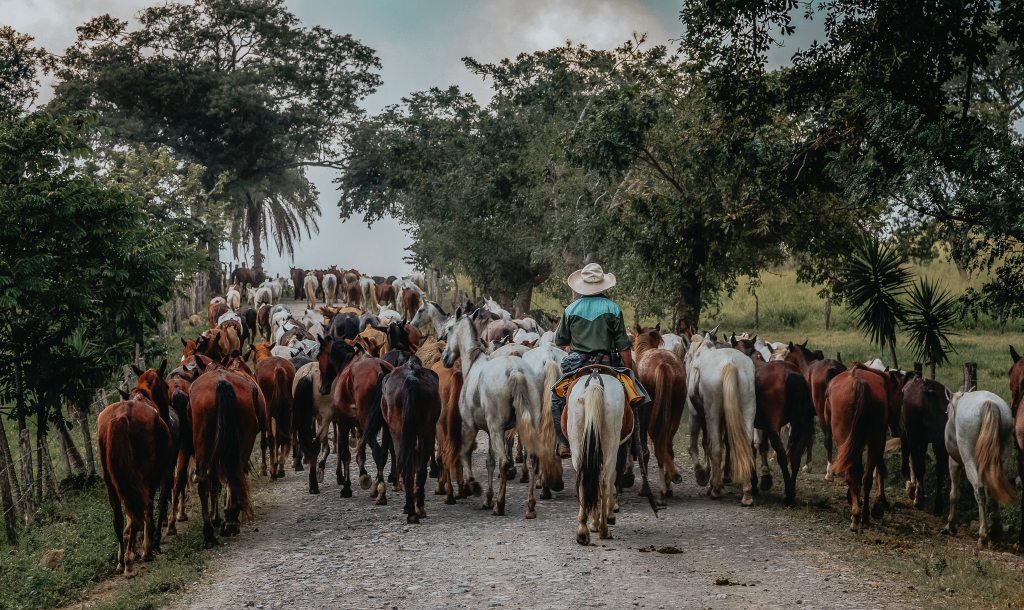
Once you venture into more rural areas, the roads become narrower, often dotted with potholes and occasional unexpected obstacles. Driving here gives you a glimpse into everyday life—locals walking along the roadside, cyclists making their way through town, and even the occasional cow or iguana taking its time to cross. It’s all part of the adventure, reminding you that in Costa Rica, the journey is just as memorable as the destination.
Here are some common obstacles you might encounter:
- Animals: Be careful of wildlife or livestock crossing, especially in the countryside.
- Pedestrians: You’ll frequently see people walking along the shoulders, as sidewalks are scarce.
- Sudden Changes: Weather can quickly change road conditions, making unpaved paths slippery or muddy.
Renting a car in Costa Rica is pretty straightforward, but there are a few things to keep in mind before you hit the road. Most major rental companies operate here, offering everything from compact cars to sturdy 4x4s. While a smaller car might work for city driving or well-paved areas, a high-clearance vehicle is a better choice if you plan on exploring the mountains, unpaved roads, or more remote beaches.
It’s also worth noting that rental prices can vary depending on the season, and insurance is often required—so be sure to read the fine print before booking. Some credit cards offer rental coverage, but it’s a good idea to double-check what’s included. A little research beforehand can save you from unexpected costs and make your trip much smoother.
However, if you are looking for something more local, I can’t recommend Vamos Rental Cars enough! There’s no hidden fees and you will get amazing service for your trip (not just at the rental car counter).
Looking for inspiration for you trip to Costa Rica?
Your Quick and Easy Activity Guide to Costa Rica
10 Unforgettable Things to Do in Costa Rica This Year
Navigating Traffic Laws and Local Driving Habits
Driving in Costa Rica has its own flow, and understanding the local traffic laws will help you navigate with confidence.
Traffic Laws to Remember
Here are the key traffic laws you need to know:
- Vehicles drive on the right side of the road.
- Speed limits are as follows:
- 90 kph/54 mph on highways
- 40 kph/24 mph in urban areas
- 25 kph/15 mph near hospitals and schools
Keep an eye out for these signs to ensure you stay in step with local regulations.
Right-of-Way Rules
Right-of-way rules aren’t always obvious, especially at roundabouts and intersections. In most cases, cars already in the roundabout have the right of way, so be ready to yield—it’s all about keeping the traffic moving smoothly.
Local Driving Habits
Driving in Costa Rica might feel a bit unpredictable if you’re used to more structured road rules. Some drivers take a relaxed approach—overtaking with little warning or rolling through stop signs. Honking is common, but it’s usually more of a friendly signal than an impatient gesture.
Rather than letting it throw you off, embrace it as part of the experience. Whether you’re renting a car or planning your trip around flights and public transport, understanding these little quirks will help you navigate with ease. And if you’re flexible with your schedule, choosing the right time of year to visit can make your travels even smoother.

Choosing the Right Rental Car for Your Journey
Renting a car in Costa Rica gives you the freedom to explore at your own pace. Whether you’re winding through mountain roads or cruising along the coast, having your own vehicle lets you reach places that are often missed. From quiet beach towns to rainforest trails, there’s no shortage of hidden gems waiting to be discovered.
One thing to keep in mind? Insurance. Costa Rica’s roads can be unpredictable, and having full coverage can save you a lot of stress—whether you’re navigating city traffic or bumpy backroads.
Here are a few key things to consider before renting a car:
- Freedom to Explore – A rental car lets you stop whenever and wherever you want, making it easier to take spontaneous detours and discover lesser-known spots.
- Insurance is Essential – Road conditions vary, and comprehensive insurance can protect you from unexpected costs due to accidents or damage. Be sure to read the fine print when booking.
- Choose the Right Vehicle – If you’re sticking to main roads, a standard car will do. But if your plans include remote beaches or rugged terrain, a 4×4 is a better option. Again, I want to plug my favorite here: Vamos
By keeping these tips in mind, you’ll be well-prepared for an unforgettable road trip through Costa Rica—one that’s not just safe but full of adventure.
Other inspirational trips nearby?
7 Unforgettable Day Trips from Granada, Nicaragua
The Magic of Guatemala: Easy guide for Travellers
Traveling to Tulum? Get The Complete Packing List
Staying Safe on the Roads: Tips for Defensive Driving
Safety Tips for Driving in Costa Rica:
- Stay Alert: Be ready for sudden stops, erratic maneuvers from other drivers, and unexpected obstacles like animals or pedestrians.
- Lock Up: Keep your car doors locked at all times and ensure valuables are out of sight to deter opportunistic theft.
- Mind the Speed: Adhere to local speed limits but also be prepared for drivers who may not.
Practical Measures:
- Use Your Mirrors: Regularly check mirrors to remain aware of your surroundings.
- Maintain Distance: Keep a safe distance between you and the vehicle ahead to react safely to sudden changes.
- Avoid Nighttime Driving: If possible, plan your trips to avoid driving after dark when visibility is poor and many roads lack adequate lighting.

Using Navigation Tools Effectively in Costa Rica
Advantages of GPS Navigation:
Navigating Costa Rica is much easier with the right tools, and GPS apps like Google Maps or Waze can be a lifesaver. Since street signs aren’t always reliable, having accurate directions will save you time and frustration.
Here’s why GPS is a must-have for your trip:
- Stay on Track – A GPS or navigation app helps you find your way, especially in areas where street signs are missing or unclear.
- Real-Time Updates – Apps like Waze provide live traffic updates, helping you avoid unexpected roadblocks or heavy congestion—especially useful in busy cities or during peak hours.
- Landmark-Based Directions – In Costa Rica, addresses often reference landmarks instead of street numbers. GPS can help make sense of these local navigation quirks and get you where you need to go without the guesswork.
Having a reliable navigation tool will make your road trip much smoother, so be sure to download your maps before heading out, just in case you lose signal in remote areas.
Challenges with Local Addressing Systems:
Navigating in Costa Rica can be an adventure beyond just the spectacular sights. Here are some challenges expats and travelers might face:
- Limited Street Signs: Unlike many other countries, street signs may not always be present or visible, which can make navigation complex.
- Unconventional Addresses: Often, addresses are described based on proximity to landmarks (e.g., “50 meters east of the church”), requiring a bit of local know-how or tech-savvy navigation assistance.
Adapting to these nuances enriches the experience of your time in Costa Rica. With a reliable GPS by your side, you’ll navigate like a seasoned traveler, ensuring a seamless exploration of this unmissable country.

Handling Emergencies and Accidents While Driving
Encountering an accident or emergency while driving in Costa Rica can be challenging, but knowing the right steps to take can make all the difference. Here’s what you need to know:
1. Stay Calm & Assess the Situation
First, ensure your safety and that of your passengers. If possible, move your vehicle to a safe spot off the road.
2. Contact Authorities
Dial 911 to report the accident. It’s crucial for police to document the incident, as you’ll need an official report for insurance claims.
3. Notify Your Rental Company
Reach out to your car rental company immediately. They can guide you through their processes and assist with any necessary paperwork.
4. Gather Information
Exchange contact and insurance details with other parties involved. Take photos of the scene, vehicle damages, and any relevant road conditions.
5. Beware of Scams
Tourists may be targeted in scams following accidents. Always deal directly with the authorities and your rental provider.
Preparation and awareness are key when traveling in Costa Rica—these steps will help ensure you’re ready for unexpected events on the road.

FAQs (Frequently Asked Questions)
Is Costa Rica a safe country for travelers?
Yes, Costa Rica is generally a welcoming destination for travelers. With proper preparation and awareness, you can have a pleasant experience.
What are the road conditions like in Costa Rica?
Road conditions in Costa Rica can vary considerably. While there are paved highways, many rural roads are unpaved, narrow, and may have potholes. It’s advisable to be cautious of common obstacles such as animals crossing the road and pedestrians.
What traffic laws should I be aware of while driving in Costa Rica?
Drivers should become familiar with local traffic laws, including speed limits and right-of-way regulations. Additionally, local driving habits may differ from what you are accustomed to, so it’s crucial to stay alert.
Do I need insurance when renting a car in Costa Rica?
Yes, it is invaluable to have comprehensive insurance coverage when renting a car in Costa Rica due to challenging road conditions. This will help protect you in case of accidents or damage.
What safety tips should I follow while driving in Costa Rica?
To keep risks at bay on the roads, practice defensive driving by being aware of unpredictable traffic situations. Keep your doors locked and valuables out of sight to deter theft.
What should I do if I am involved in an accident while driving in Costa Rica?
If you find yourself involved in an accident, contact the authorities immediately and inform your rental company. It’s important to follow proper procedures to ensure your safety and compliance with local laws.
Wrap Up
Exploring Costa Rica by car opens the door to endless adventures, where every turn brings something new to discover. To make the most of your journey, staying informed and prepared will help ensure a smooth and stress-free experience.
I’d love to hear from you! Whether you’ve already driven through Costa Rica or are planning your first trip, feel free to share your experiences or ask any questions in the comments. If you’re looking for tips on renting a car, navigating local roads, or understanding current travel guidelines, let’s connect and swap insights.
Wherever the road takes you, adventure is always just around the corner. Safe travels!