Tri City’s of Japan: Tokyo, Kyoto, Nara
Japan is undoubtedly one of my favorite countries (I lived here for over 6 years). It’s a country where ancient traditions seamlessly blend with cutting-edge modernity. From the busy streets of Tokyo to the beautiful temples of Kyoto, Japan offers a unique and unforgettable travel experience. So, whether you’re a history buff, a foodie, or an outdoor enthusiast, Japan will have you covered. This is my personal take on three cities in Japan you just can miss on your next trip (But trust me, this list doesn’t even come close to covering everything).

Tokyo, Japan
Getting There and Around:
Airports:
- Narita International Airport (NRT): Located about 60 km east of central Tokyo, Narita is the main international gateway to Japan. It’s well-connected to the city via the Narita Express (N’EX) train, which takes about an hour to reach Tokyo Station.
- Haneda Airport (HND): Closer to the city center, Haneda offers both domestic and international flights. The Tokyo Monorail and Keikyu Line provide the quickest routes into the city, reaching central areas in about 30 minutes.
Other transportation:
- Trains and Subways: Tokyo’s extensive and efficient public transit system is the best way to navigate the city. The JR Yamanote Line is particularly useful for tourists as it circles many major attractions.
Where to Stay:
- High End: The Park Hyatt Tokyo offers breathtaking views and luxurious amenities, famously featured in the film “Lost in Translation.”
- Mid-Range: Hotel Sunroute Plaza Shinjuku is conveniently located and offers comfortable, modern accommodations without breaking the bank.
- Hostels: Khaosan Tokyo Kabuki is a highly rated hostel that provides clean facilities and a friendly environment at a budget price.
Top Attractions:
- Shibuya Crossing: The world’s busiest pedestrian crossing and an iconic symbol of Tokyo’s bustling energy.
- Senso-ji Temple: Tokyo’s oldest temple, located in Asakusa, offers a taste of historical Japan amidst the modern city.
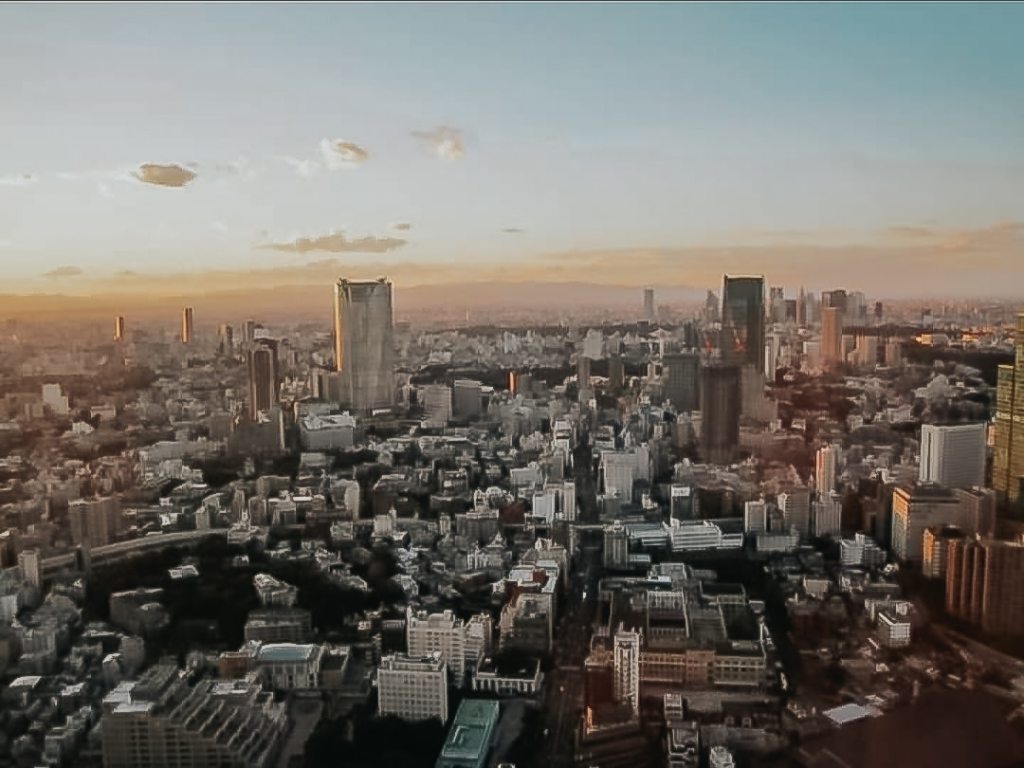
- Tokyo Tower: If you are looking panoramic views of the city, visit this location that resembles the Eiffel Tower.
Best Time to Visit:
- The best times to visit Tokyo are spring (March to May) for cherry blossoms and autumn (September to November) for comfortable temperatures and colorful foliage.
Kyoto, Japan
Getting There and Around:
Airports:
- Kansai International Airport (KIX): Located about 75 km away, this is the main international gateway to the Kansai region, which includes Kyoto. There are direct trains and buses from KIX to Kyoto, with the express train being the fastest option.
- Osaka International Airport (ITM), also known as Itami Airport: Primarily handles domestic flights and is closer to Kyoto. You can reach Kyoto via bus or a combination of monorail and train services.
Other transportation:
- Trains: Kyoto is well-connected by Japan’s railway network. The city’s main hub, Kyoto Station, is a major stop for the Shinkansen (bullet train), making it easily accessible from Tokyo and other major cities.
- Getting Around: Kyoto’s bus network is extensive and often the best way to reach the city’s temples and shrines. The city also has a subway system, though it’s less extensive than Tokyo’s. Bicycling is another popular and convenient way to explore the city.

Where to Stay:
- High End: The Ritz-Carlton, Kyoto offers a luxury stay with beautiful river views and easy access to downtown Kyoto.
- Mid-Range: Sakura Terrace The Gallery provides a comfortable and stylish experience at a reasonable price, complete with modern amenities and a convenient location near Kyoto Station.
- Hostels: K’s House Kyoto is a favorite among travelers for its friendly atmosphere, cleanliness, and location close to transportation and city attractions.
Top Attractions:
- Fushimi Inari Shrine: Famous for its thousands of vermilion torii gates, which create an enchanting path up the mountain behind the shrine.
- Kinkaku-ji (The Golden Pavilion): This Zen Buddhist temple is one of Kyoto’s most iconic sites, with its stunning gold-leaf covered exterior.
- Arashiyama Bamboo Grove: A breathtaking forest of towering bamboo, perfect for a peaceful stroll or photo op.
Best Time to Visit:
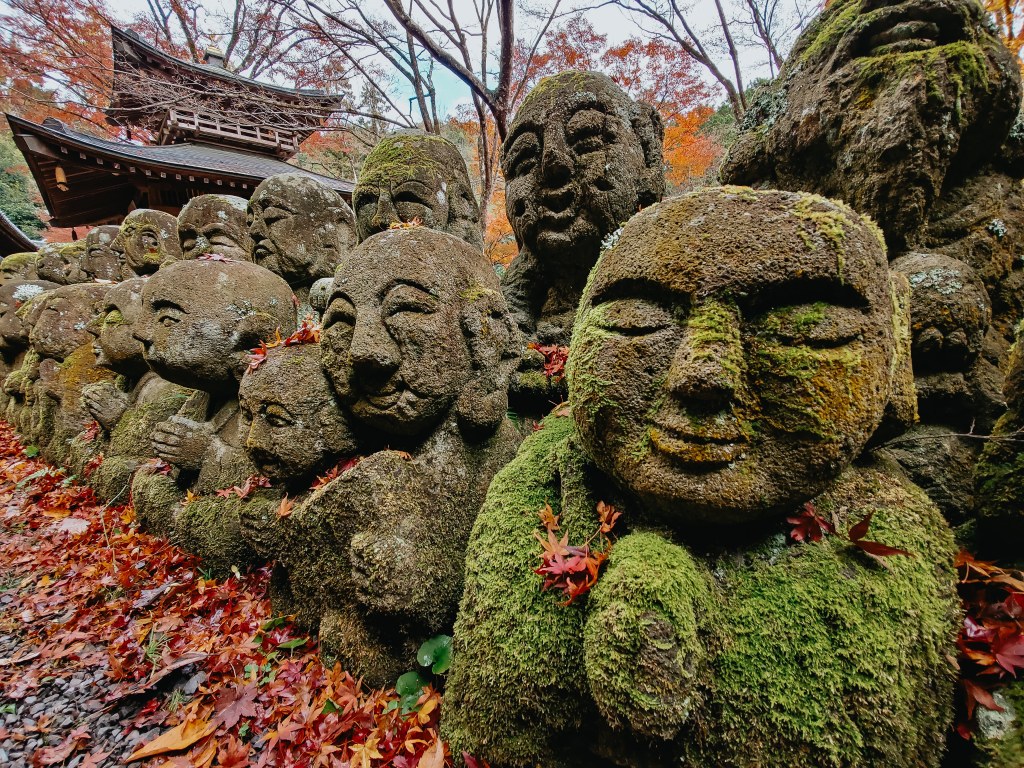
- The best time to visit Kyoto is during the cherry blossom season in early April or the fall foliage season in late November (my personal favorite). However, these times are also the most crowded. May and October also offer nice weather with fewer tourists.

Nara, Japan
Getting There and Around:
Airports:
- Kansai International Airport (KIX): About 80 km from Nara, offering international and domestic flights. Direct buses and trains are available from KIX to Nara, with the bus being a direct, convenient option.
- Osaka International Airport (ITM): Handles domestic flights and is a bit closer to Nara. Direct buses or a combination of train services can be used to reach Nara.
Other transportation:
- Trains: Nara is easily accessible by train from Osaka and Kyoto. The JR Nara Line and the Kintetsu Nara Line both run frequent services that connect Nara with these cities efficiently.
- Getting Around: Nara is compact and most of its major attractions are within walking distance of each other, especially around Nara Park. Buses are available for longer distances, and renting a bicycle is a great option to explore more scenic spots at your leisure.
Where to Stay:
- High End: Nara Hotel offers a mix of classic charm and modern conveniences, set in a building that dates back to the early 20th century, with views overlooking Nara Park.
- Mid-Range: Hotel Nikko Nara conveniently connected to Nara Station, provides comfortable lodging and easy access to both the train station and local attractions.
- Hostels: Guesthouse Nara Backpackers offers a traditional Japanese experience in a beautifully preserved historic building, perfect for budget travelers.
Top Attractions:
- Nara Park: Home to hundreds of freely roaming deer, this park is also the site of many of Nara’s historical attractions.
- Todai-ji Temple: This temple houses the Great Buddha, one of the largest bronze statues in Japan, and is a UNESCO World Heritage Site.
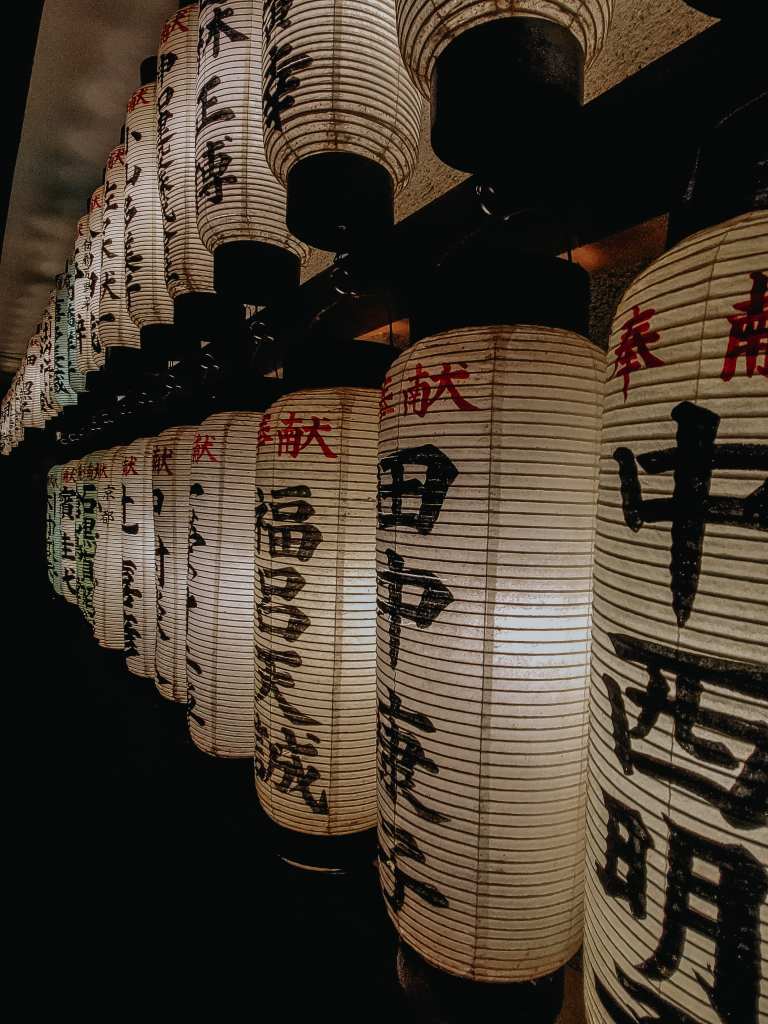
- Kasuga-taisha: Known for its hundreds of bronze and stone lanterns that line its pathways, this Shinto shrine is especially picturesque during the lantern festivals in February and August.
Best Time to Visit:
- Nara is beautiful in spring (March to early April) when the cherry blossoms are in bloom and in autumn (late October to early December) when the leaves change colors. Similar to Kyoto, these seasons are peak tourist times due to the spectacular scenery but are also quite crowded.

Itinerary Options
If you only have a short amount of time, I can recommend the following itineraries:
1. Quick Highlights Tour (3 Days)
Day 1: Tokyo
- Morning: Visit Senso-ji Temple in Asakusa and explore the surrounding shops.
- Afternoon: Head to Shibuya to witness the famous Shibuya Crossing and enjoy some shopping.
- Evening: Dinner in Shibuya or Shinjuku, followed by a visit to Tokyo Tower or an observation deck for night views.
Day 2: Kyoto
- Morning: Explore Fushimi Inari Shrine early to avoid crowds.
- Afternoon: Visit Kinkaku-ji (The Golden Pavilion).
- Evening: Stroll through Gion, the famous geisha district, and have dinner here.
Day 3: Nara
- Day: Spend the day in Nara Park visiting Todai-ji Temple, Kasuga-taisha, and feeding the deer.
- Late Afternoon: Return to Kyoto or Tokyo for your departure.
2. Cultural Deep Dive (5 Days)

Day 1-2: Tokyo
- Day 1: Explore the Imperial Palace and its gardens, then visit Akihabara for electronics and anime culture.
- Day 2: Take a day trip to Nikko (for Toshogu Shrine) or Kamakura (for the Great Buddha).
Day 3-4: Kyoto
- Day 3: Full day in Arashiyama, starting with the Bamboo Grove, then the Monkey Park, and finishing with a riverboat ride.
- Day 4: Visit Nijo Castle, then spend the afternoon in Kiyomizu-dera and explore the nearby Sannenzaka and Ninenzaka streets.
Day 5: Nara
- Spend the day exploring the historical sites around Nara Park, including the National Museum if time allows.
3. Relax and Explore (7 Days)
Days 1-3: Tokyo
- Day 1: Visit Tsukiji Fish Market for breakfast, explore Ginza for high-end shopping, and visit the teamLab Borderless digital art museum.
- Day 2: Day trip to Hakone for views of Mt. Fuji and a hot spring experience.
- Day 3: Explore the Meiji Shrine, Harajuku for youth fashion, and Omotesando for architecture and upscale cafes.
Days 4-5: Kyoto
- Day 4: Philosophers’ Path, starting at Ginkaku-ji and ending at Nanzen-ji.
- Day 5: Day trip to Uji for Byodo-in Temple and to enjoy some of the best green tea in Japan.
Days 6-7: Nara
- Day 6: Explore the historical sites in Nara Park and surrounding areas.
- Day 7: Spend a leisurely day at the Naramachi neighborhood to see traditional merchant houses and local crafts.

Wrap Up
Japan offers a ton of options when it comes from things to do and see, from the bustling streets of Tokyo to the serene temples of Kyoto and the historical charm of Nara. Whether you’re on a quick trip or a more something more relaxing, there’s something for everyone. Enjoy the high-end shopping in Ginza, the traditional tea ceremonies in Uji, and the cultural depth found in Nara Park. With careful planning and a little bit research, your journey through Japan will undoubtedly be unforgettable.
Other posts I think you will love!
Off the Beaten Path: 45 of Japan’s Hidden Gems
15 Underrated and Lesser-Known Travel Destinations to Visit
Solo Female Travel in Southeast Asia: A Comprehensive Guide
Tokyo Travel Guide: Making the Most of Your First-Time Visit
FAQs (Frequently Asked Questions)
Q: What is the best time to visit Japan?
A: The best time to visit Japan is during spring (March to May) and autumn (September to November) when the weather is mild and the scenery is stunning with cherry blossoms and autumn leaves.
Q: Do I need a visa to travel to Japan?
A: It depends on your nationality. Citizens from many countries can enter Japan visa-free for short-term stays. Check with the Japanese consulate or embassy for specific visa requirements.
Q: What is the currency used in Japan?
A: The currency used in Japan is the Japanese Yen (JPY).
Q: Is it easy to get around using public transportation?
A: Yes, Japan has an efficient and extensive public transportation system, including trains, buses, and subways. The Japan Rail Pass can be a cost-effective option for tourists traveling between cities.
Q: Are credit cards widely accepted in Japan?
A: While credit cards are accepted at many hotels, restaurants, and shops in larger cities, it’s advisable to carry cash, especially when visiting rural areas or small establishments.
Q: Is Japan a safe country for travelers?
A: Yes, Japan is considered one of the safest countries in the world for travelers. Crime rates are low, and locals are generally very helpful.
Q: How can I stay connected to the internet while traveling in Japan?
A: You can rent a pocket Wi-Fi device or purchase a SIM card at major airports or electronics stores. Many hotels and cafes also offer free Wi-Fi.
Q: What should I pack for my trip to Japan?
A: Pack comfortable walking shoes, seasonal clothing, a power adapter (Japan uses type A and B plugs), and any personal items you may need. If you plan to visit temples or shrines, bring modest clothing.
Q: Can I use my mobile phone in Japan?
A: Check with your mobile provider about international roaming plans. Alternatively, you can buy or rent a SIM card or pocket Wi-Fi device upon arrival.
Q: What are some must-try foods in Japan?
A: Don’t miss out on sushi, ramen, tempura, takoyaki, and matcha-flavored treats. Each region has its own specialties worth trying.