
Tokyo Travel Guide: Making the Most of Your First-Time Visit
Visiting Tokyo for the first time? Welcome! This is hands down one of my favorite cities and one that I have visited several times. Whether you’re stepping off a plane at Haneda or Narita, you will meet some of the nicest people, the best food, and a blend of culture that welcomes both the old and the new. However, I don’t want you to go alone. Here is my take and tips to help you on your first visit. From navigating the neon-lit streets of Shibuya to the peace and quiet of traditional tea houses, Tokyo will offer experiences that cater to every need. So, join me and explore the best this city has to offer, ensuring your adventure trip here starts with the right foot forward.

Irasshaimase
いらっしゃいませ
Flights: Haneda and Narita Airports
Tokyo has two main airports: Haneda and Narita. Haneda, located closer to the city center, offers quicker access to downtown Tokyo, making it a convenient choice if you want to dive right into the city’s heart. On the other hand, Narita is a bit further out but provides its own set of advantages, especially if you enjoy exploring the areas around Tokyo before hitting the city. I have also found that this airport seems to be the most inexpensive destination to arrive into.
From Haneda
Once you land at Haneda, you’re just a quick train ride away. The Tokyo Monorail and Keikyu Line are the easiest ways to get into central Tokyo. Both connect you directly to major hubs like Shinjuku and Shibuya in about 30 minutes. If you’re carrying a lot of luggage, I’d consider grabbing a taxi or booking a limousine bus service instead of trying to haul luggage throughout the train.
From Narita
If you find yourself landing at Narita, don’t worry about the distance. The Narita Express (N’EX) offers a comfortable and efficient train service directly to major stations like Tokyo and Shinjuku. The journey takes about an hour but is a smooth ride with plenty of great views to take in. Alternatively, the Keisei Skyliner gets you to Ueno, another way to many other Tokyo areas, in under 45 minutes.

Local Transportation
Tokyo’s public transport system is top notch when it comes to getting around. Their extensive network of subways and trains is probably one of the most efficient ones I have seen in all my travels and is always on time. For first-timers, I recommend getting a PASMO or SUICA card. These prepaid cards save you the hassle of having to buying individual tickets. But remember, the trains tend to get crowded during peak hours, so plan your travel accordingly. Buses and taxis are available too, though they can be pricier and slower due to traffic.
Where to Stay
1. Luxury Hotels: For those who want to enjoy an upscale experience, Tokyo offers world-class luxury hotels. The Ritz-Carlton and Park Hyatt are obviously known for their top-notch service and stunning city views. These hotels can just add a little lux to level up your already amazing experience.
2. Business Hotels: Business hotels in Tokyo are another option, perfect for travelers looking for comfort without extravagance. Hotels like the Hotel Metropolitan and Shinjuku Prince Hotel offer great amenities and are strategically located near major train stations, making them convenient bases for exploring the city.
3. Boutique Hotels: If you prefer a more personalized experience, boutique hotels might be for you. Hotels such as Trunk Hotel in Shibuya and Claska in Meguro, offer some Instagram worthy décor with a comfortable atmosphere, making your stay in Tokyo feel more unique.
4. Ryokans (Traditional Inns): For a true Japanese experience, consider staying in a ryokan. These traditional inns often feature tatami floors, futon beds, and communal baths. Staying in a ryokan will ensure that you get the full experience of Japanese culture. Some well-known ryokans in Tokyo include Ryokan Sawanoya in Ueno and Ryokan Asakusa Shigetsu near Senso-ji Temple.
5. Hostels: Travelers on a tighter budget have plenty of choices too (usually my preferred method). Tokyo’s hostels are not only affordable but also clean, friendly, and sometimes surprisingly stylish. Khaosan Tokyo Kabuki is a popular choice in Asakusa, offering both dormitory beds and private rooms.
6. Apartments and Rentals: For longer stays or those who want a home away from home, renting an apartment might be the best option. Airbnb is just one option that offers numerous listings throughout Tokyo, from nice little studios in Nakano to spacious flats in Minato. This option allows you to experience Tokyo like a local, with the freedom to cook your meals and explore a neighborhood at your pace.
Here’s a sample itinerary to show you the hot spots you have to hit if you only have a week in Tokyo.
Itinerary
Day 1: Arrival and Exploring Shibuya
Morning
After touching down at either Haneda or Narita Airport, you’ll probably want to drop off your bags and start exploring. Once you’ve checked into your hotel/hostel, I’d recommend heading into one of the most iconic locations in Tokyo: Shibuya.
Afternoon
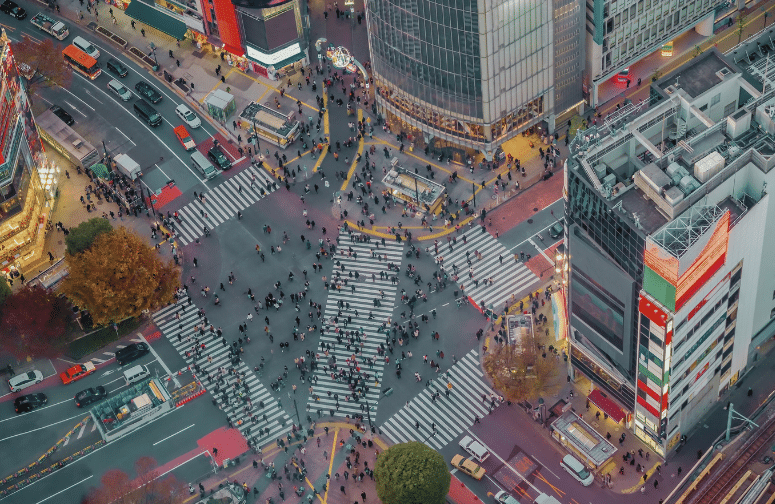
Shibuya is most famous for its scramble crossing, rumored to be the busiest intersection in the world. Standing there, surrounded by the crowd and the enormous video screens, you’ll truly feel the vibe of the city here. Just a short walk from the crossing is also the statue of Hachiko, and a great meeting spot and a must-see for anyone visiting Tokyo for the first time. However, if you just want to relax and watch the chaos, across from the train station is a Starbucks. Head up a few levels, grab a cup of coffee and a window seat for some great views.
Evening
For dinner, Shibuya’s offers a great selection of food, offering everything from a quick bite at a sushi-go-round to big bowls of some of the best ramen. Whether you’re looking for local food or craving something unique, Shibuya will not disappoint.
Day 2: Asakusa and the Tokyo Skytree
Morning
Start your morning by heading to Asakusa, one of Tokyo’s most traditional districts. The highlight here is Senso-ji Temple, Tokyo’s oldest temple. The route to the temple is off the Nakamise Shopping Street, which is lined with tiny shops selling souvenirs and unique snacks. After checking out the temple and shopping street, enjoy some lunch by trying some tempura or monjayaki.
Afternoon
In the afternoon, make your way to the Tokyo Skytree. As the tallest structure in Japan and the second tallest in the world, the Skytree offers a panoramic view of the entire city. The observation decks are located at 1148 feet / 350 meters and 1476 feet / 450 meters, providing a great view of Tokyo that you won’t find anywhere else. If you’re up for a treat, consider trying one of the Skytree’s restaurants, where you can enjoy some good food along with the great views.
Evening
The area around the Skytree also some other fun options, including an aquarium and a planetarium, making it a great place to spend the rest of your day before heading back to relax at your hotel.
Day 3: Akihabara and Ginza
Morning
Start your morning off in Akihabara, also known as “Electric Town.” This area is famous for its plethora of electronics shops, ranging from tiny stalls selling vintage radio parts to massive department stores that feature the latest in high-tech gadgets. More than just electronics, Akihabara is also the heart of Japan’s otaku culture. Here, you can explore stores specializing in anime, manga, and video games. Also, if you are up for it, check out one of the local maid cafés, where waitresses dressed in maid costumes serve tea and treats in a uniquely Japanese setting.
Afternoon
For lunch, grab a bite at one of the local curry houses or a themed café, which can offer anything from a classic anime theme to a more modern, game-oriented atmosphere. It’s a fun way to refuel before heading to your next destination.
After lunch, travel to Ginza. This district is Tokyo’s most famous for luxury shopping and entertainment. Walk through its impeccably clean streets lined with boutique shops, gourmet restaurants, and some of the oldest department stores in Japan like Mitsukoshi and Matsuya. Ginza is also a great place to find galleries and theaters, including the Kabuki-za Theatre where you can catch a traditional Kabuki performance.
Evening
End the day with dinner in Ginza, where you can choose from Michelin-starred restaurants to exclusive sushi bars. For a unique experience, try dining at one of the high-end tempura bars where you can watch chefs prepare the meal right in front of you.
Day 4: Harajuku and Meiji Shrine
Morning
Begin your day with a visit to Meiji Shrine, one of Tokyo’s most significant and beautiful Shinto shrines. Located just beside Harajuku, you will enter through the massive torii gate and take a peaceful walk along the forested pathway leading to the shrine complex. Also, don’t miss the Inner Garden, especially if you are visiting during iris blooming season.
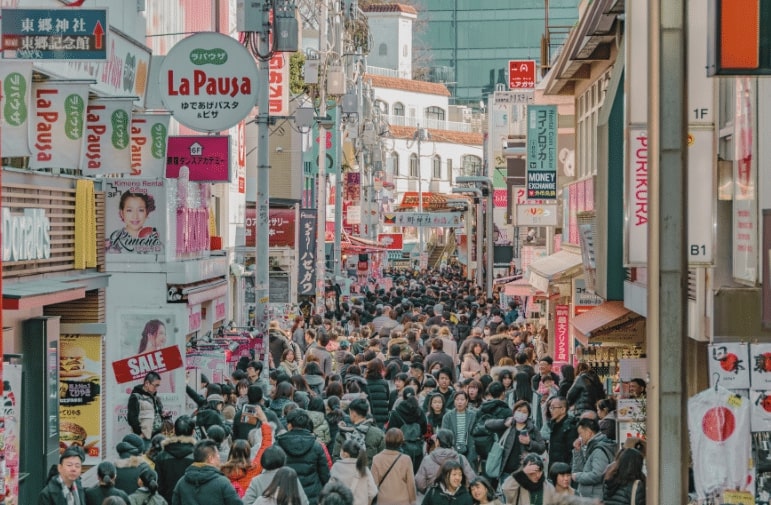
After visiting the Meiji Shrine, it’s time to hop over to the colorful and often eccentric streets of Harajuku, Tokyo’s hub for fashion and pop culture. Takeshita Street is the epicenter, packed with boutiques, fashion stalls, and unique snack shops. Try some of Harajuku’s famous crepes or cotton candy as you browse through the eclectic offerings.
For a different vibe, wander over to Omotesando, often referred to as Tokyo’s Champs-Élysées. This broad avenue is lined with designer boutiques, cafés, and stunning architecture. It’s a great place to do some window shopping or enjoy a coffee break in one of the stylish café terraces.
Afternoon
For lunch, Harajuku has a ton of options to choose from. You might want to try a kawaii (cute) themed café or one of the local sushi joints that offer a quick and delicious meal.
Spend your afternoon exploring some of Harajuku’s cultural sites. The Nezu Museum, located not far from Omotesando, is home to a beautiful collection of Asian arts and a beautiful traditional Japanese garden. You can also visit Yoyogi Park for a chill end to your busy day. It’s a popular spot for picnics, jogging, and sometimes you can catch local musicians and street performers.
Evening
Wrap up your day with dinner in Harajuku. The area has everything from traditional Japanese restaruants to modern fusion restaurants. If you’re feeling adventurous, try some of the local izakayas where you can enjoy a range of Japanese small plates paired with sake or beer.

Day 5: Day Trip to Yokohama
Morning
Start your day at Minato Mirai, Yokohama’s futuristic waterfront district. This area is perfect for enjoying panoramic views of the port and the iconic Ferris wheel. Visit the CupNoodles Museum to learn about the history of instant ramen and even create your own cup noodle as a unique souvenir.
Afternoon
For lunch, head over to the Red Brick Warehouse, a historical building that has been converted into a shopping and dining complex. Here, you can enjoy a variety of meals ranging from casual cafes to gourmet restaurants, all offering views of the bay.
After lunch, visit the Sankeien Garden, a Japanese garden that features historic buildings from across Japan, beautifully arranged around a pond. It’s an excellent spot for my photographers and and perfect to experiencing Japan’s natural and architectural beauty.
Next, head over to Yokohama Chinatown, the largest Chinatown in Japan and one of the largest in the world. The colorful streets are filled with shops selling traditional crafts, Chinese herbs, while also offering plenty of options for Chinese food.
Evening
End the day with dinner in Chinatown, where you can try some of the best Chinese cuisine outside of China. From dim sum to Peking duck, the options are endless and are perfect to satisfy whatever you are craving.
As the evening sets in, you can choose to return to Tokyo or spend some more time enjoying more views of Yokohama Harbor. The nighttime lighting along the waterfront is the perfect backdrop for a nice evening.
Day 6: Roppongi and Art
Morning
Begin your day at the Mori Art Museum located in Roppongi Hills, a towering skyscraper complex that offers not just art but also fantastic views of Tokyo. The museum is known for its contemporary art exhibitions, featuring both established and upcoming artists from Japan and around the world. The observatory deck, Tokyo City View, is also in the same building and is a great spot to take in panoramic views of the city below.
Afternoon
For lunch, explore the various dining options within Roppongi Hills. You’ll find everything from cafés to upscale restaurants. Whether you crave Japanese cuisine or something more international, you’ll find something here to satisfy your appetite.
After lunch, take a short walk to the National Art Center, Tokyo. This unique museum has no permanent collection but hosts rotating exhibitions throughout the year, making each visit unique. Its architecture, designed by Kisho Kurokawa, is worth seeing in itself.
Just a few minutes away is the Suntory Museum of Art, which focuses on traditional and contemporary Japanese art, integrating it with themes of “lifestyle art.” The museum’s philosophy is about enjoying art in context, often presenting exhibitions that blend art, design, and everyday life.
Evening
As the day winds down, choose from one of the many restaurants in Roppongi for dinner. This area offers diverse dining experiences, from high-end sushi bars to international cuisines. Take your pick.
Roppongi comes alive at night more than any other area in Tokyo. If you’re up for it, check out the nightlife. They literally have everything you could need from a basic bar, a lively club, or even your pick of a jazz lounge. (Let me just say New Years Eve in Tokyo=Crazy).
Day 7: Departure
On your last day pack in some of the small things your missed or chill out till your flight departs!
Looking for more of Japan? Off the Beaten Path: 45 of Japan’s Hidden Gems
As your week in Tokyo ends, you’ll likely leave with an itch to come back (or at least I did). This city is a place that continues to have my heart, where ancient traditions blend with cutting-edge technology. It is a place that can be overwhelming at first but always inviting and endlessly fascinating. So, whether you decided to explore historic temples, eat your weight in sushi, or you navigated the neon-lit nightlife, Tokyo is a city that likely has carved a special place in your heart as well.
If you have visited Tokyo, let me know what I missed. What else should we add?
Other posts I think you will love!
Effortless Airport Tips: How to Enjoy a Smooth and Easy Travel Day




One Comment