
Travel Scams to Watch Out for and How to Avoid Them

Exploring new destinations brings a sense of excitement and adventure. The thrill of discovering unfamiliar cultures, cuisines, and locations can be super exciting. However, this excitement sometimes makes us vulnerable to travel scams.
Being aware of common travel scams is crucial for protecting yourself during your travels. Scammers often target tourists who may not be familiar with local customs or who are distracted by their surroundings. Knowing how to identify and avoid these scams can save you time, money, and stress.
Despite all of that, we will discuss the top travel scams that you should watch out for. Each section is going to arm you and will provide practical tips on how to avoid falling victim to these deceptions. From pickpocketing in crowded places to digital threats like ATM skimming and juice jacking, you’ll find the perfect blend of advice designed to help keep your travels safe and enjoyable.
1. Tourist Scams to Watch Out for
1.1 Pickpocketing
Pickpocketing is one of the most common tourist scams worldwide. Pickpockets often target tourists in crowded places such as train stations, markets, and popular tourist attractions. The excitement of being in a new place can make you less vigilant, which creates an ideal environment for these thieves.
Common Tactics Used by Pickpockets
- Crowd Dynamics:
- In crowded areas, it’s easier for pickpockets to blend in and make a quick getaway. They might bump into you “accidentally” while another accomplice lifts your wallet or phone.
- Distractions:
- Some pickpockets work in pairs or groups where one person distracts you while the other steals your belongings. This can include asking for directions, creating a commotion, or even dropping something to divert your attention.
- Public Transportation:
- Train stations and buses are notorious hotspots. The chaos during boarding and disembarking provides ample opportunities for pickpockets.
- Street Performers:
- Areas with street performers attract large crowds. The distraction offered by the performance makes it easier for pickpockets to operate unnoticed.
Techniques to Prevent Pickpocketing
Protecting yourself from pickpocketing involves being aware of your surroundings and taking certain precautions:
- Secure Your Belongings:
- Use money belts or hidden pouches to store valuables like passports, credit cards, and cash. Avoid keeping important items in easily accessible pockets.
- Stay Alert:
- Always be aware of your surroundings, especially in crowded places. Keep an eye on anyone who seems to be getting too close for comfort.
- Distribute Your Valuables:
- Don’t keep all your valuables in one place. Spread them out between different bags and pockets so that losing one item doesn’t mean losing everything.
- Use Anti-Theft Gear:
- Consider using bags with anti-theft features like lockable zippers and cut-proof straps. Backpacks that have zippers facing towards your back also add a layer of security.
- Avoid Flashing Valuables:
- Don’t draw attention to yourself by flashing expensive items like jewelry or large amounts of cash.
Real-Life Example
Imagine you’re at a bustling train station in Rome. As you’re trying to read the departure board, someone bumps into you hard enough to make you lose balance momentarily. While you’re distracted, an accomplice stealthily removes your wallet from your back pocket without you noticing.
In this scenario:
- Keeping your wallet in a front pocket or money belt would have made it less accessible.
- If you had been using an anti-theft backpack with lockable zippers, the thief would likely not have had enough time to access its contents before being noticed.
By utilizing these techniques and staying vigilant, you can significantly reduce the chances of falling victim to pickpocketing while traveling.
1.2 Tuk-tuk Drivers
Tuk-tuk’s in general are great forms of transportation. However, sometimes drivers are known for their cunning ways of taking advantage of unsuspecting tourists. These scams often occur in popular travel destinations across Asia, where tuk-tuks are a common mode of transportation.
Common Tuk-tuk Scams:
- Overpriced Tours:
- Tuk-tuk drivers might offer to take you on a “scenic tour” of the city for a seemingly cheap rate. However, midway through the journey, they may demand a much higher payment than initially agreed upon.
- Commission Stops:
- Some drivers will take you to various shops or markets where they receive a commission from the store owners for bringing in tourists. This can lead to wasted time and pressure to buy overpriced items.
- Fake Destinations:
- In some cases, tuk-tuk drivers may pretend that your intended destination is closed or under construction and offer to take you somewhere else, usually another tourist trap.
Ways to Avoid Tuk-tuk Scams:
- Agree on a Price Upfront:
- Before getting into the tuk-tuk, negotiate and agree on a fixed price for your journey. Ensure both parties understand the terms clearly.
- Use Official Services:
- Opt for tuk-tuks associated with reputable hotels or tour companies. They are less likely to scam you due to their affiliation.
- Be Wary of Unsolicited Offers:
- If a driver approaches you with an unsolicited offer for a tour or trip, be cautious. These offers are more likely to be scams designed to exploit tourists.
- Research Typical Fares:
- Know the average cost of tuk-tuk rides in your destination by researching online or asking at your hotel. This knowledge helps in negotiating fair rates.
- Use Maps and GPS:
- Use navigation apps on your smartphone to ensure the driver is taking you directly to your destination without unnecessary detours.
- Avoid Commission Shops:
- Politely decline any stops at shops or markets unless it’s part of your planned itinerary.
By being aware and staying vigilant, you can enjoy tuk-tuk rides without falling prey to common scams that target tourists in many destinations around the world.
1.3 Taxi Scams
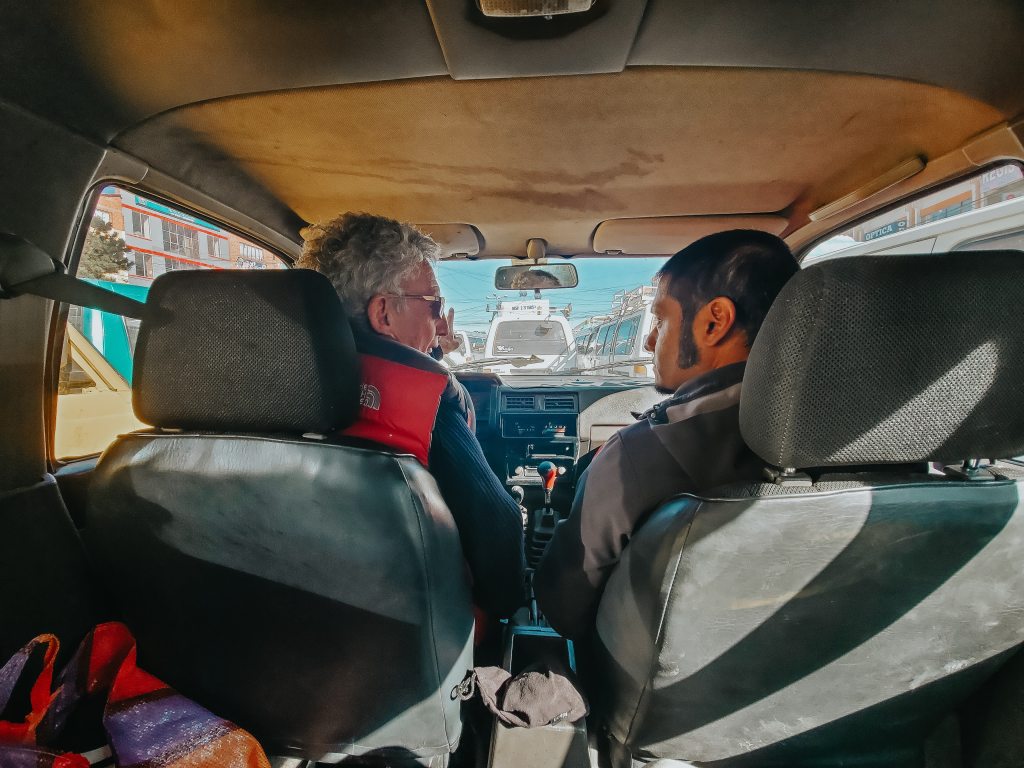
Taxi scams are among the most prevalent tourist scams in many popular travel destinations. Unscrupulous taxi drivers often employ a variety of tactics to overcharge unsuspecting travelers. Unfortunately, on one of my more recent travels, I fell victim to this. However, being aware of these tactics can help you avoid falling victim to these scams as I did.
Common Taxi Scams:
- Meter Tampering:
- Some drivers manipulate their meters to run faster, resulting in higher fares.
- Solution: Always ensure the meter is reset when starting your journey and monitor its pace.
- Fixed Fares:
- Drivers may claim that their meter is broken and charge an exorbitant flat rate.
- Solution: Insist on using the meter or find another taxi if the driver refuses.
- Long Routes:
- Taking unnecessarily long routes to increase the fare.
- Solution: Use a GPS app to track your route and challenge any suspicious detours.
- Currency Confusion:
- Drivers may pretend to be confused about currency exchange rates, giving you incorrect change.
- Solution: Familiarize yourself with local currency and carry small denominations for easier transactions.
- Fake Taxis:
- Unlicensed taxis may appear legitimate but can be unsafe and overpriced.
- Solution: Use reputable ride-hailing apps or pre-booked services from trusted companies.
- Extra Charges:
- Imposing additional fees for luggage, late-night rides, or tolls that are not standard.
- Solution: Confirm all potential extra charges before starting your trip.
Tips to Avoid Taxi Scams:
- Pre-Book Rides:
- Whenever possible, book your taxi through a hotel or a reputable service provider.
- Agree on Fare Upfront:
- If no meter is available, agree on the total fare before beginning the journey.
- Stay Vigilant:
- Keep an eye on landmarks and use navigation apps to stay informed about your route.
- Know Local Rates:
- Research typical taxi fares in your destination beforehand.
- Request Receipts:
- Always ask for a receipt detailing the fare and driver’s information.
By staying informed about these common taxi scams and adopting precautionary measures, you can protect yourself from being overcharged and enjoy a hassle-free travel experience.
1.4 Motorcycle Rental Scams
Renting a motorcycle can be an exciting way to explore new destinations, but it also comes with its own set of risks. Motorcycle rental scams are prevalent in various tourist hotspots and can quickly turn your adventure into a nightmare.
Common motorcycle rental scams include:
- Damage Charges:
- Tourists are falsely accused of damaging the rented motorcycle, often leading to exorbitant repair fees.
- Theft:
- In some cases, rental companies collaborate with local thieves to steal the bike back, forcing tourists to pay for the “lost” vehicle.
- Faulty Contracts:
- Unclear or misleading terms in rental agreements can leave tourists liable for unexpected charges.
Tips to Avoid Motorcycle Rental Scams:
- Research Reputable Companies:
- Use online reviews and travel forums to identify trustworthy rental agencies. Websites like TripAdvisor and Google Reviews can provide valuable insights.
- Inspect Thoroughly:
- Before signing any agreement, conduct a detailed inspection of the motorcycle. Take photos or videos of any existing damage and ensure these are documented in the contract.
- Understand the Contract:
- Read the rental agreement carefully, paying close attention to terms related to damage, theft, and insurance coverage. Don’t hesitate to ask questions if anything is unclear.
- Use Your Own Lock:
- Invest in a high-quality lock and use it in addition to any provided by the rental company. This can deter theft and provide additional security.
- Avoid Leaving Passports as Collateral:
- Some rental companies might ask for your passport as collateral. Instead, offer a photocopy or find a company that accepts a monetary deposit.
- Check Insurance Coverage:
- Ensure you have adequate insurance that covers motorcycle rentals abroad. Verify what is included in the rental company’s insurance policy.
Motorcycle rental scams highlight the importance of vigilance and due diligence when renting vehicles abroad. By following these tips, you can minimize your risk and enjoy a safe, hassle-free experience on two wheels.
1.5 ATM Skimmers
Criminals are getting smarter when it comes to stealing card information, and one of their favorite methods is using ATM skimming devices. These devices are designed to secretly collect data from your card’s magnetic stripe, and they often come with a hidden camera or keypad overlay to record your PIN. This was another scam I unfortunately experienced. However, it can be avoidable and beyond that, having a good bank that has your back if this does happen is crucial.
Types of ATM Skimmers:
- External Skimmers:
- These devices are attached over the card slot and made to look like a normal part of the ATM. When you insert your card, it reads and stores your card’s data.
- Internal Skimmers:
- These skimmers are more discreetly installed inside the machine by criminals who manage to gain unauthorized access. Since they can’t be seen from the outside, they’re harder to detect.
- Overlay Skimmers:
- As the name suggests, these skimmers fit over the existing keypad and capture your PIN as you enter it. When combined with an external skimmer, they give criminals all the information they need to make a clone of your card.
Precautions to Avoid Falling Victim:
- Inspect the ATM:
- Before using an ATM, take a moment to look for anything unusual such as loose parts, sticky residue, or visible wires. Wiggle the card reader; if it feels loose or comes off easily, avoid using that machine.
- Cover Your PIN:
- Always use one hand to shield the keypad while entering your PIN. This simple act can prevent hidden cameras from capturing your personal information.
- Choose ATMs Wisely:
- Opt for ATMs located inside banks or well-lit areas with security cameras. These machines are less likely to be tampered with compared to those in secluded locations.
- Monitor Your Accounts:
- Regularly check your bank statements and set up alerts for any unusual activity. Immediate detection allows you to report fraud quickly and minimize potential losses.
- Use Contactless Payments:
- Where possible, opt for contactless payments using NFC technology on your smartphone or contactless cards. This reduces the need to use physical ATMs altogether.
Understanding how ATM skimming devices work and taking these precautions can significantly reduce your risk of falling victim to this common tourist scam. Staying vigilant is key when traveling in unfamiliar places, ensuring that you protect both your finances and personal information effectively.
2. Beware of Friendly Locals
Scammers often take advantage of travelers who trust locals offering help or engaging in friendly conversations. While many locals are genuinely kind and helpful, some have hidden motives. Knowing about common scams involving seemingly friendly people can help you stay alert.
2.1 Drink Spill Distraction Scam
The drink spill distraction scam is a common tactic used by thieves to steal valuables from unsuspecting tourists. Here’s how it usually happens:
- The Setup:
- You’re sitting in a café, bar, or restaurant when a friendly local “accidentally” spills a drink on you.
- The Apology:
- The scammer apologizes excessively and offers to assist in cleaning up the mess, often using this opportunity to get physically close to you.
- The Theft:
- While you’re focused on the spill and the cleanup, an accomplice silently takes your wallet, phone, or other valuable items.
How to Stay Alert and Protect Your Belongings
To avoid falling victim to this scam, here are some tips:
- Be Skeptical of Unsolicited Help:
- If a stranger approaches you after a spill offering assistance, be cautious. Politely refuse their help and handle the situation on your own.
- Secure Your Valuables:
- Always keep your belongings secure. Consider using money belts or hidden pouches for important items like wallets and passports.
- Stay Aware of Your Surroundings:
- Pay attention to your surroundings and the people nearby, especially in crowded or touristy areas.
- Limit Distractions:
- Try not to get too absorbed in one activity or conversation that you lose awareness of what’s happening around you.
Being familiar with these tactics can significantly lower the chances of becoming a victim while traveling. The key is to be cautious without letting it ruin your travel experience.
2.2 Fake Police Officer Scams
Encountering friendly locals can be a highlight of any trip, but it’s essential to remember that not everyone has good intentions. One of the more alarming travel scams involves individuals impersonating police officers to extort money from unsuspecting tourists.
How the Scam Works:
- Approach and Accusation:
- The scam typically begins when a fake police officer approaches you, often in a busy tourist area. They might accuse you of violating local laws or being involved in illegal activities.
- Demands for Identification:
- The impostor will then demand to see your identification, such as your passport or driver’s license. They may even ask for your wallet under the pretext of verifying its contents.
- Confiscation and Fines:
- After examining your belongings, they might claim that you need to pay an on-the-spot fine. In some cases, they may threaten arrest if you do not comply immediately.
Protect Yourself:
- Verify Credentials:
- Always ask for proper identification. Real police officers will have official badges and identification cards. Take your time to scrutinize these documents.
- Stay Calm:
- Keep a calm demeanor and question their actions politely. Genuine law enforcement officers should have no issue with you verifying their identity.
- Public Places:
- If approached by someone claiming to be a police officer, suggest moving to a nearby police station or a more populated area for further discussion.
- Avoid Handing Over Valuables:
- Never hand over your wallet, passport, or any valuables without confirming their authenticity.
- Emergency Contacts:
- Have the contact details for your embassy or consulate readily available in case the situation escalates.
Example Scenario:
Imagine you’re strolling through a bustling market when suddenly, a uniformed individual stops you and claims you’ve committed an infraction by unknowingly breaking local laws. They demand to see your passport and wallet, insisting on an immediate fine.
This scenario underscores the importance of vigilance and preparedness when interacting with anyone claiming authority abroad. Recognizing these tactics and knowing how to respond can help ensure your safety during travels.
By staying aware of potential scams like fake police officer encounters, you can enjoy your adventures with greater peace of mind.

3. Protecting Your Information in the Digital Age
3.1 Public Wi-Fi vulnerabilities
Using public Wi-Fi can be convenient while traveling, but it also poses significant cybersecurity risks. Unsecured networks are a hotspot for cybercriminals who exploit these vulnerabilities to steal personal information.
Risks of Using Public Wi-Fi:
- Man-in-the-Middle Attacks:
- Attackers intercept the communication between your device and the network, allowing them to capture sensitive data such as login credentials and financial information.
- Evil Twin Attacks:
- Cybercriminals set up fake Wi-Fi networks that look legitimate. Once connected, they can monitor your online activities.
- Malware Injections:
- Unsecured networks make it easy for hackers to inject malware into your device, potentially leading to data theft or damage.
- Snooping and Sniffing:
- Hackers use specialized software to eavesdrop on your online activities, capturing passwords, emails, and other sensitive data.
Safety Precautions:
- Use a VPN (Virtual Private Network):
- A VPN encrypts your internet connection, making it much harder for hackers to intercept your data. Services like NordVPN, ExpressVPN, and CyberGhost offer reliable options. Another option I personally use is Surfshark.
- Avoid Sensitive Transactions:
- Refrain from accessing banking websites or making online purchases while connected to public Wi-Fi. Save these activities for when you’re on a secure network.
- Verify Network Legitimacy:
- Before connecting, confirm with a staff member that you’re using the correct network name. Be cautious of similarly named networks.
- Disable Automatic Connections:
- Turn off the feature that automatically connects your device to available networks. This reduces the risk of unknowingly joining malicious networks.
- Keep Software Updated:
- Ensure that your operating system and applications are up-to-date with the latest security patches. Updates often address vulnerabilities that hackers could exploit.
By understanding these risks and taking proactive measures, you can significantly reduce the chances of falling prey to digital travel scams while enjoying the convenience of staying connected during your travels.
3.2 Juice Jacking
Juice jacking is an emerging threat in the world of digital travel scams. This cybersecurity risk occurs when hackers compromise public charging stations, usually found in airports, train stations, and other travel centers, with harmful software. When travelers plug their devices into these infected charging ports, the malware can transfer to their smartphones or tablets, allowing cybercriminals to steal sensitive information such as passwords, personal data, and even financial details.
How Juice Jacking Works
- Infected Charging Ports:
- Cybercriminals install malware on public USB charging stations or cables. When a device is connected, the malware infiltrates the device.
- Data Transfer:
- The installed malware can then access and transfer sensitive data from the connected device.
- Device Control:
- In severe cases, the malware can take control of the device, enabling hackers to monitor activities and manipulate information.
Preventive Measures Against Juice Jacking
To protect against juice jacking while traveling, it’s important to take certain preventive measures:
- Carry Your Own Charger:
- Always carry personal chargers and charge devices using electrical outlets instead of public USB ports.
- Use Portable Power Banks:
- Invest in a reliable power bank to ensure your devices remain charged without relying on public charging stations.
- USB Data Blockers:
- Utilize USB data blockers (also known as “USB condoms”) which prevent data transfer while still allowing your device to charge.
- Enable Charging Only Mode:
- Some devices offer a “charge only” mode that restricts data transfer during charging. Ensure this mode is enabled when using unfamiliar charging ports.
- Regular Software Updates:
- Keep your device’s operating system and security software up-to-date to protect against newly discovered vulnerabilities.
Staying alert about where and how you charge your devices is crucial for maintaining cybersecurity while traveling. Being aware and prepared can greatly reduce the risk of becoming a victim of juice jacking and other digital travel scams.
3.3 RFID-blocking for Cards and Passports
Digital travel scams have evolved, targeting unsuspecting tourists through more sophisticating methods. One such threat is the unauthorized scanning of personal data from contactless cards and passports. This can lead to identity theft and financial loss, making it crucial to take preventive measures like using RFID-blocking wallets or sleeves.
RFID-Blocking Technology:
What is RFID?
Radio Frequency Identification (RFID) technology allows data to be transmitted wirelessly through radio waves. Many modern credit cards, debit cards, and passports use RFID to enable quick and convenient transactions or identifications.
The Risk:
Cybercriminals can exploit this technology by using RFID scanners to steal information from your cards or passport without even touching them. This can happen in crowded places like airports, train stations, or tourist attractions where thieves can easily blend in.
Preventive Measures:
- Invest in RFID-Blocking Wallets/Sleeves:
- These products are designed with materials that block radio waves, preventing unauthorized access to the data stored on your cards and passports. Look for wallets or sleeves specifically labeled as RFID-blocking for peace of mind.
- Layer Your Protection:
- In addition to using an RFID-blocking wallet, consider placing your cards and passport in separate compartments to further reduce the risk of all your information being compromised at once.
- Regularly Check Your Statements:
- Even with precautions in place, it’s wise to regularly monitor your bank and credit card statements for any suspicious activity. Early detection can help mitigate potential damage.
- Be Cautious in Crowds:
- Stay vigilant in crowded areas where pickpockets and scammers are more likely to operate. Keeping your belongings close and secure can deter potential thieves.
By adopting these simple yet effective measures, you can significantly reduce the risk of falling victim to digital travel scams involving unauthorized RFID scanning. Prioritizing cybersecurity while traveling ensures a safer and more enjoyable journey.

4. Staying Safe from Common Street Scams
4.1 Friendship Bracelet Scams
Friendship bracelet scams are prevalent in many popular city attractions around the globe. These scams often target unsuspecting tourists who are captivated by the local culture and busy exploring new surroundings.
How the Scam Works:
- Approach by a Friendly Local:
- A seemingly friendly local, often with a warm smile, approaches you. They might strike up a conversation, commenting on your appearance or asking where you’re from.
- Offering a Gift:
- The scammer typically offers to give you a “friendship bracelet” as a token of goodwill. They may even tie it around your wrist before you have a chance to decline.
- Demand for Payment:
- Once the bracelet is on your wrist, the friendly demeanor changes. The scammer demands payment, claiming that the bracelet is not free after all. The price quoted is usually exorbitant compared to its actual value.
- Intimidation Tactics:
- If you refuse to pay or attempt to remove the bracelet, the scammer might get aggressive or call over accomplices to pressure you into handing over money.
Avoiding Friendship Bracelet Scams:
- Politely Decline Offers:
- If someone approaches you with an unsolicited gift, politely but firmly say no and walk away. Avoid engaging in long conversations with strangers offering items on the street.
- Stay Alert in Crowded Areas:
- Scammers often target tourists in busy locations like popular landmarks and crowded squares. Keep your guard up and be wary of overly friendly locals in these areas.
- Keep Hands Free:
- Avoid extending your hand when approached by strangers offering bracelets or other items. This reduces the chance of them placing something on you without consent.
- Travel in Groups:
- If possible, explore new places with friends or fellow travelers. Scammers are less likely to target groups as compared to solo travelers.
- Be Cautious with Personal Space:
- Maintain an appropriate distance when interacting with strangers who approach you on the street. This helps avoid unwanted physical contact and makes it easier to disengage if necessary.
By being aware of these tactics and staying vigilant, you can better protect yourself from falling victim to friendship bracelet scams and other similar city travel scams.
4.2 Wrong Change Scams
City travel scams can be subtle yet highly effective, and one of the most common street scams involves dishonest vendors shortchanging tourists. This scam can occur in various settings, from bustling markets to small souvenir shops. Vendors might take advantage of your unfamiliarity with local currency or your distracted state to give you less change than you’re owed.
How the Scam Works
- Confusion with Currency:
- Vendors may exploit the complexity of foreign currency, giving you incorrect change by mixing up denominations.
- Fast Counting:
- Rapidly counting out change can create confusion, making it difficult for you to verify if the amount is correct.
- Distraction Techniques:
- Engaging you in conversation or creating a sense of urgency can divert your attention while they shortchange you.
Tips for Handling Wrong Change Scams
To protect yourself from wrong change scams, consider these practical steps:
- Familiarize Yourself with Local Currency:
- Before making purchases, take time to understand the different denominations and their values.
- Count Your Change Carefully:
- Always count your change before leaving the vendor’s presence. If possible, do this slowly and visibly to deter any attempts at shortchanging.
- Use Small Bills:
- Whenever possible, pay with smaller denominations to minimize the risk of receiving incorrect change.
- Stay Calm and Assertive:
- If you notice an error, calmly point it out to the vendor and request the correct amount. Maintaining a polite but firm demeanor can often resolve the situation without escalation.
- Keep Receipts:
- In larger transactions, ask for a receipt and use it to verify your change.
Real-life Examples
In popular tourist destinations like Paris or Bangkok, reports abound of travelers being shortchanged in busy markets or during taxi rides. A common scenario involves vendors pretending to misinterpret large bills as smaller ones. For instance, handing over a 50-euro note but being given change as though it were only a 20-euro note.
Staying vigilant and following these tips can help you avoid becoming a victim of wrong change scams during your travels.

5. The Importance of Travel Insurance
Travel insurance can be very helpful as it protects you from unexpected situations that can disrupt your plans. Whether it’s a medical emergency, a canceled flight, or lost baggage, having reliable travel insurance can save you from financial stress.
5.1 Avoiding Travel Insurance Scams
It’s important to buy travel insurance from trustworthy sources to avoid scams. Here are some tips to help you find legitimate insurance:
- Research Providers:
- Look for well-known insurance companies with good reviews and ratings. Be cautious of any warning signs that could indicate a scam.
- Check Licensing:
- Make sure the insurance provider is licensed to operate in your area. You can usually find this information on official regulatory websites.
- Read the Policy:
- Carefully review the terms and conditions of the insurance policy. Understand what’s covered, what’s not, and how to make a claim if needed.
- Compare Plans:
- Use comparison tools to see different insurance options and their coverage, prices, and reputations. This helps you find the best policy without falling for fraudulent ones.
- Watch Out for Red Flags:
- Be skeptical of offers that seem too good to be true or make unrealistic promises. Scammers often use attractive deals to trick people into buying worthless policies.
Common Travel Insurance Scams
Knowing about common travel insurance scams can also help protect you:
- Fake Policies:
- Scammers may sell fake policies that provide no actual coverage. Always buy directly from reputable insurers or authorized brokers.
- Hidden Exclusions:
- Some policies exclude pre-existing medical conditions without clearly stating it upfront. Make sure you understand all the details before purchasing.
- Slow Claims Processing:
- Fraudulent companies might intentionally delay processing claims or never approve them at all. Check reviews about the insurer’s claim handling efficiency before making a decision.
- Identity Theft:
- Sharing personal information with illegitimate insurers can lead to identity theft. Verify the legitimacy of the company before giving any sensitive data.
Ensuring Legitimate Transactions
To make sure your travel insurance purchase is legitimate:
- Use Secure Payment Methods:
- Use credit cards for payment as they offer better fraud protection than debit cards or cash.
- Get Official Documents:
- Request official policy documents immediately after buying insurance and verify their authenticity directly with the insurer.
- Verify Contact Information:
- Legitimate insurers will have valid contact details, including phone numbers, email addresses, and physical offices, listed on their websites.
- Stay Informed about Regulations:
- Keep yourself updated on the latest travel insurance rules and consumer protection laws in your area.
Travel insurance is essential for protecting your trip from unexpected events. By staying alert and knowledgeable about potential scams, you can ensure that your coverage is trustworthy throughout your journey.
5.2 Comparing Travel Insurance Plans
Travel insurance is essential for mitigating financial losses caused by unforeseen events during trips. Choosing the right travel insurance plan can seem overwhelming with so many options available, but understanding how to compare them effectively ensures you get the coverage you need.
Here are some steps:
1. Identify Your Needs:
- Consider the type of trip you are taking (e.g., adventure, business, leisure).
- Determine the duration of your trip.
- Assess any pre-existing medical conditions that may require coverage.
- Identify specific activities you’ll be partaking in (e.g., skiing, scuba diving).
2. Coverage Options:
- Medical Coverage: Check for emergency medical expenses, hospitalization, and evacuation.
- Trip Cancellation/Interruption: Ensure the plan covers cancellations due to illness, weather, or other emergencies.
- Baggage and Personal Belongings: Look for reimbursement policies for lost or stolen items.
- Emergency Assistance Services: Confirm access to 24/7 support services.
3. Policy Limits and Exclusions:
- Review the maximum payout limits for different types of coverage.
- Be aware of exclusions such as certain high-risk activities or destinations.
4. Compare Providers:
- Use comparison websites like InsureMyTrip or Squaremouth to evaluate multiple policies side-by-side.
- Read reviews and ratings from other travelers.
5. Check for Add-ons and Flexibility:
- Some plans offer optional add-ons like “Cancel For Any Reason” (CFAR) which provides more flexibility in cancellation policies.
6. Understand the Claims Process:
- Research how easy it is to file a claim with each provider.
- Look for information on the average time taken to process claims.
7. Price vs. Value:
- Compare premiums but also consider the value offered by each plan.
- Sometimes paying slightly more can provide significantly better coverage.
8. Customer Support and Reliability:
- Verify if customer support is accessible and responsive.
- Choose providers with a good reputation and track record for reliability.
By following these guidelines, you ensure that you choose a travel insurance plan tailored to your specific travel needs while protecting yourself from potential scams and unreliable providers.

Wrap-Up
Traveling to new destinations brings excitement and adventure but also comes with the risk of encountering various travel scams. Staying informed about common scams is essential to protect yourself and your belongings. At the end of the day, I do not want these possible situation to deter you from traveling (knowledge is power). Although I have had some minor misfortunes myself, the overall experiences I have had have been amazing! So keep traveling!
Key Takeaways:
- Stay Informed: Awareness is your first line of defense. Knowing the tricks scammers use can help you recognize suspicious situations before they escalate.
- Be Cautious: Always keep an eye on your belongings, especially in crowded places like train stations or tourist attractions.
- Share Your Experiences: Your experiences could help others avoid similar pitfalls. Feel free to share any travel scam encounters or tips for avoiding them in the comments section.
Engage with the community by sharing your stories and advice. Together, we can create a safer travel experience for everyone and avoid these travel scams.
Other posts I think you will love!
EFFORTLESS AIRPORT TIPS: HOW TO ENJOY A SMOOTH AND EASY TRAVEL DAY
SAFETY TIPS EVERY SOLO FEMALE TRAVELER SHOULD KNOW
UNLEASHING THE POWER OF TRAVEL CREDIT CARDS: YOUR TICKET TO SEEING THE WORLD ON A BUDGET






Love this! Really awesome job on talking about all the scams!
This is such a great post! I experienced the friendship bracelet scam in Mexico. I gave the bracelet back and said “No thank you”. I also experienced girls in Las Vegas on my first visit who walked around with showgirl feathers, offered to take a picture with you on your phone, demanded payment, and said they don’t do this for free. I love the idea of backpacks with zippers that face inward. Such a great idea! Thank you for sharing.
Great list and tips. So -many things to keep track of. I’ve found taxi drivers to be a problem in many of the countries I’ve visited.