
Writing on the Road: How Traveling Fuels Creativity
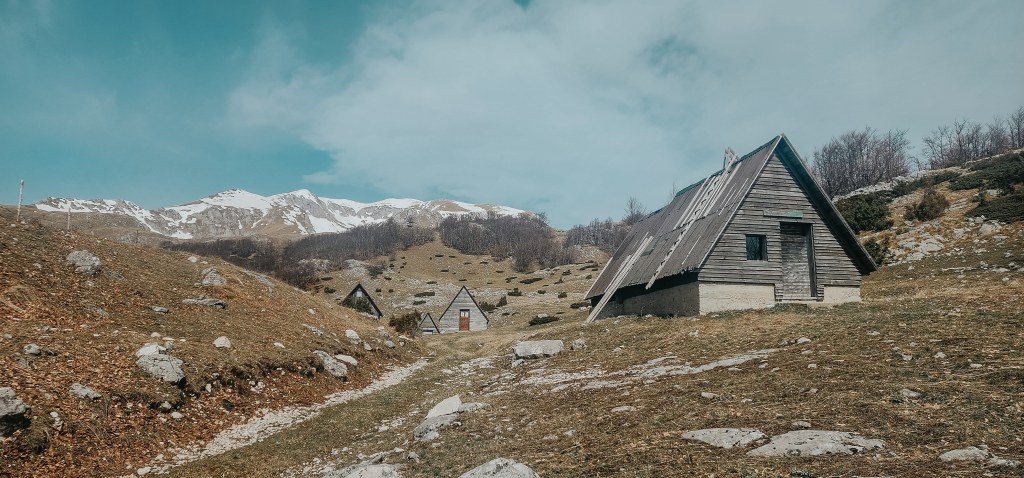
The concept of “Writing on the Road” or using travel as a source of inspiration is a seamless blend of the thrill of travel and the art of writing.
It’s an approach where writers take their creative process beyond the confines of their usual workspace, finding inspiration in new landscapes, cultures, and experiences. Instead of simply researching for your fiction writing, why not experience the realness of a place.
Combining travel and writing has gained immense popularity. Many authors and bloggers have discovered that exploring new places not only enriches their personal lives but also fuels their literary creativity. The unfamiliar sights, sounds, and stories encountered while traveling often spark fresh ideas and perspectives that can revitalize a writer’s work.
I want to explore how traveling can significantly impact the creativity of writers. By sharing real-life examples and practical insights, I aim to illustrate the transformative power of travel on my creative journey. aim to illustrate the transformative power of travel on one’s creative journey.
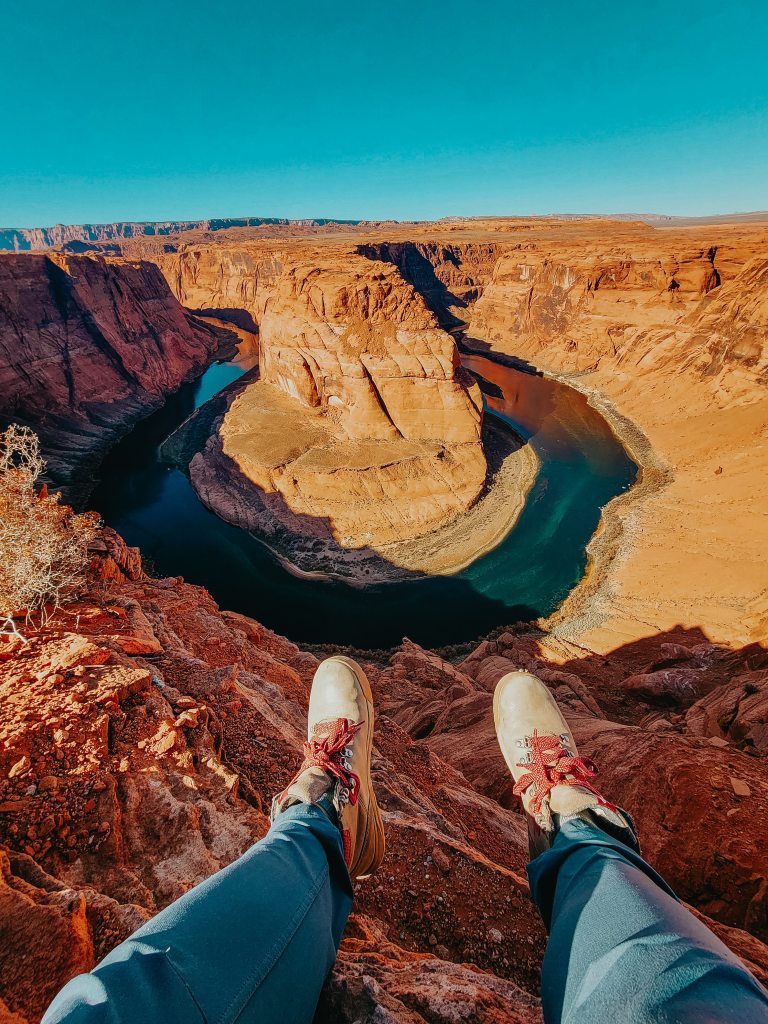
The Link Between Travel and Creativity
Traveling and experiencing new environments can have significant psychological and emotional impacts on the brain. Without delving into scientific details, it is widely believed that exposure to unfamiliar sights, sounds, and cultures stimulates the brain’s neural pathways, leading to enhanced creativity.
- Cognitive flexibility theory: Exposing oneself to diverse experiences promotes flexible thinking and problem-solving skills.
- Associative theory of creativity: Creativity arises from making connections between seemingly unrelated ideas or concepts.
When writers immerse themselves in different cultures and environments, they are forced to adapt and think outside the box, ultimately fueling their creative abilities. Travel provides ample opportunities for writers to encounter new perspectives, stories, and people, allowing them to make these unique connections and generate fresh ideas.
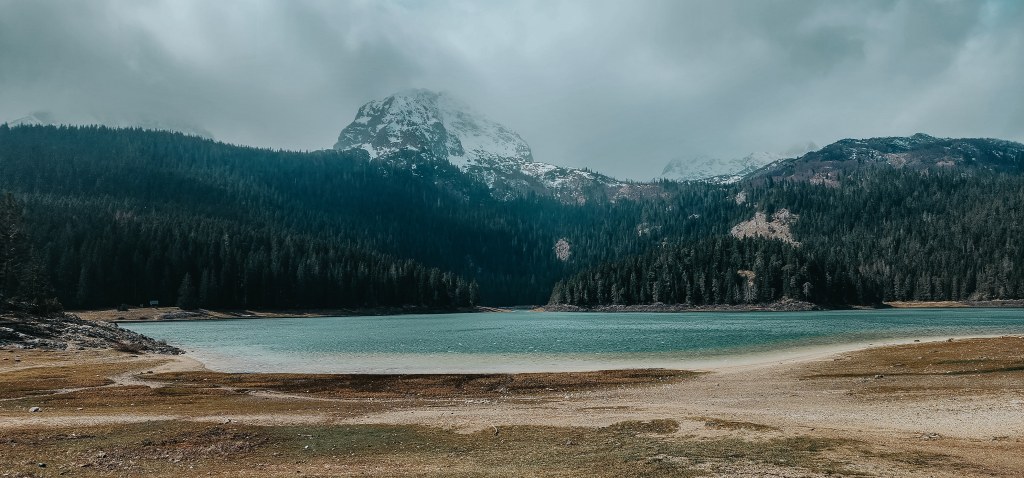
Traveling as a Source of Inspiration and Cultural Immersion
Sparking Creativity Through New Destinations
Traveling opens the door to a wealth of new experiences, landscapes, and cultures that can significantly spark creativity. Many famous authors have drawn profound inspiration from their travels.
- Ernest Hemingway found much of his literary voice in places like Paris and Spain. His novel “The Sun Also Rises” was born from his adventures in Spain, capturing the essence of the country’s bullfighting culture and the expatriate lifestyle.
- Elizabeth Gilbert, author of “Eat, Pray, Love,” transformed her year-long journey through Italy, India, and Indonesia into a bestselling memoir. Each destination provided unique cultural insights and personal growth that enriched her narrative.
- Mark Twain’s travels along the Mississippi River inspired his timeless masterpiece “Adventures of Huckleberry Finn.” The vivid descriptions of life on the river showcase Twain’s ability to capture the essence of a place through his writing.
Practical Tips for Writers
To ignite your imagination with travel:
- Seek Out Lesser-Known Destinations: While popular tourist spots have their charm, exploring lesser-known or unconventional destinations can offer fresh perspectives. Places off the beaten path often have untold stories waiting to be discovered.
- Engage with Local Communities: Engage with locals to gain deeper insights into their lives and traditions. Participate in community activities or cultural events to immerse yourself fully.
- Stay Curious: Embrace curiosity by asking questions about local customs, history, and daily life. This inquisitive mindset can lead to unexpected inspiration.
- Document Your Journey: Keep a travel journal where you jot down observations, dialogues, and sensory details. These notes can become invaluable resources when crafting your stories.
- Be Open to Serendipity: Sometimes the most inspiring experiences happen unexpectedly. Be open to changing your plans if an intriguing opportunity arises.
Traveling not only broadens your horizons but also fuels your literary creativity by offering new experiences and perspectives that are ripe for storytelling.

Embracing Solitude and Reflection on the Writer’s Journey
Solitude is a valuable opportunity for writers to fully understand and process their travel experiences. Taking time away from the noise and busyness of life allows you to think about the people you’ve met, the places you’ve seen, and the cultural differences you’ve observed. This self-reflection can bring out interesting ideas that you might not have noticed otherwise.
The Importance of Being Alone:
- Going Deeper: Having quiet moments gives you the chance to think more deeply about what you’ve seen, turning quick thoughts into detailed descriptions.
- Seeing Things Differently: Being alone encourages introspection, which can lead to fresh perspectives in your writing.
To make the most of these quiet times, here are some mindful activities you can try during your trip:
Practicing Mindfulness for Thinking:
- Writing in your Journal:
- Take 15-20 minutes every day to write down your thoughts, emotions, and observations.
- Use prompts like “What surprised me today?” or “How did this place make me feel?” to guide your entries.
- Taking a Walk:
- Choose a route that’s visually appealing or culturally significant.
- Walk at a leisurely pace, paying attention to the sounds, sights, and feelings around you.
- Photography:
- Take pictures with the intention of capturing emotions or stories instead of just beautiful landscapes.
- Look through these photos at the end of each day to remember specific moments and details.
- Creating Quiet Rituals:
- Make it a habit to do something calming like drinking tea at sunrise or watching the sunset.
- Use these rituals as dedicated times for quiet thinking.
By embracing solitude during your travels, you give yourself the space to think deeply, allowing creative ideas to naturally emerge from your surroundings and experiences.

The Power of Storytelling in Travel Writing and Beyond
Storytelling is essential in travel writing. It has the power to turn ordinary descriptions into interesting stories that grab readers’ attention. By sharing personal stories and experiences in their travel writing, writers can create a strong connection with their audience.
Here are some key points to remember when using storytelling in travel writing:
- Character development: Introduce relatable characters, including yourself, in your travel stories. This helps readers connect with the narrative on a deeper level.
- Plot structure: Organize your travel writing with a clear beginning, middle, and end. This allows for a smooth flow of the story and keeps readers engaged.
- Emotional connections: Share your emotions and feelings throughout the travel narrative. This helps create a sense of empathy and allows readers to experience the journey alongside you.
By using these storytelling techniques, travel writers can transport readers to different locations and inspire them to explore their own creativity
Wrap up
Traveling is a great way for writers to find inspiration and come up with new ideas. It exposes them to different cultures and landscapes that they wouldn’t normally encounter in their everyday lives.
Writing on the Road is not just a romantic idea; it’s a practice that can truly enhance your storytelling skills. By immersing yourself in new environments, you gain a deeper understanding of the world, which leads to more authentic writing.
Join the community at Tiny Backpack Adventures for a fantastic opportunity to connect with fellow travelers, travel writers and share your stories. It’s a place to be supported in your passion for combining travel and writing.
So go ahead, embrace your adventures, take note of interesting things you see along the way, and contribute to this growing community of storytellers.

Recommended Resources for Writing and Traveling
Engage your creativity during your travels with these writing prompts:
- Describe the most memorable meal you’ve had on your journey. What made it special?
- Write about a local person you encountered. How did their story impact you?
- Imagine yourself in a different time period or fictional world. What would your experience be like? How would it affect your writing?
- Think about a place that holds significant meaning to you. Why is it important, and how does it inspire your fiction writing?
- Reflect on a moment of unexpected beauty during your travels. How did it make you feel, and how can you translate that emotion into your stories?
A reliable notebook can be a writer’s best companion on the road. Consider these lightweight and travel-friendly options:
- Moleskine Classic Notebook: Known for its durability and compact size.
- Field Notes Memo Book: Perfect for quick jots and small enough to fit in your pocket.
- Leuchtturm1917 Pocket Notebook: Offers quality paper and an elastic closure to keep everything secure.
- Kindle Scribe: (My personal favorite) Not only can the Kindle Scribe store all your favorite books, but it also provides a convenient platform for writing on the go.
Other posts I think you will love!
TRAVEL AND PERSONAL GROWTH: 20 TIPS FOR FINDING YOURSELF WHILE GETTING LOST
DIGITAL DETOX: UNPLUG AND RECHARGE FOR A MORE BALANCED LIFE
SLOW TRAVEL: 5 LOCATIONS THAT CAN HEAL US
9 UNIQUE AND INSTAGRAMABLE SPOTS IN THE U.S (YOU PROBABLY HAVEN’T HEARD OF)





3 Comments