
Off the Beaten Path: 44 Hidden Gems of Japan
Published September 17, 2023, Updated February 26, 2025
Think of Japan travel and major cities like Tokyo and Osaka come to mind. But tap into the gold mine that is the hidden gems of Japan and you won’t be disappointed!
If you’re itching to explore Japan beyond the usual postcard spots and are looking for a more unique experience, you’re in for a treat.
Being my home of over 6 years, Japan is a tapestry of timeless tradition and futuristic marvels, with each corner holding a story waiting to be unveiled.
While the shimmering skyscrapers and ancient temples often steal the limelight, the lesser-known paths often leave the most indelible imprints on a traveler’s soul.
Grab some sake and let me whisk you away to 44 lesser-known destinations that will have you daydreaming about your next Japanese escapade.
Trust me, by the end of this, your Japan bucket list is going to be a lot longer!
Some of the links on this blog are affiliate links. If you click on one of these links and make a purchase, I may earn a small commission. Please read my disclosure policy if you’d like to know more. Your support helps me continue to provide travel inspiration.
Another great way to support my blog is by liking and subscribing. And I love it when you leave a comment and connect with me on Instagram and Pinterest!
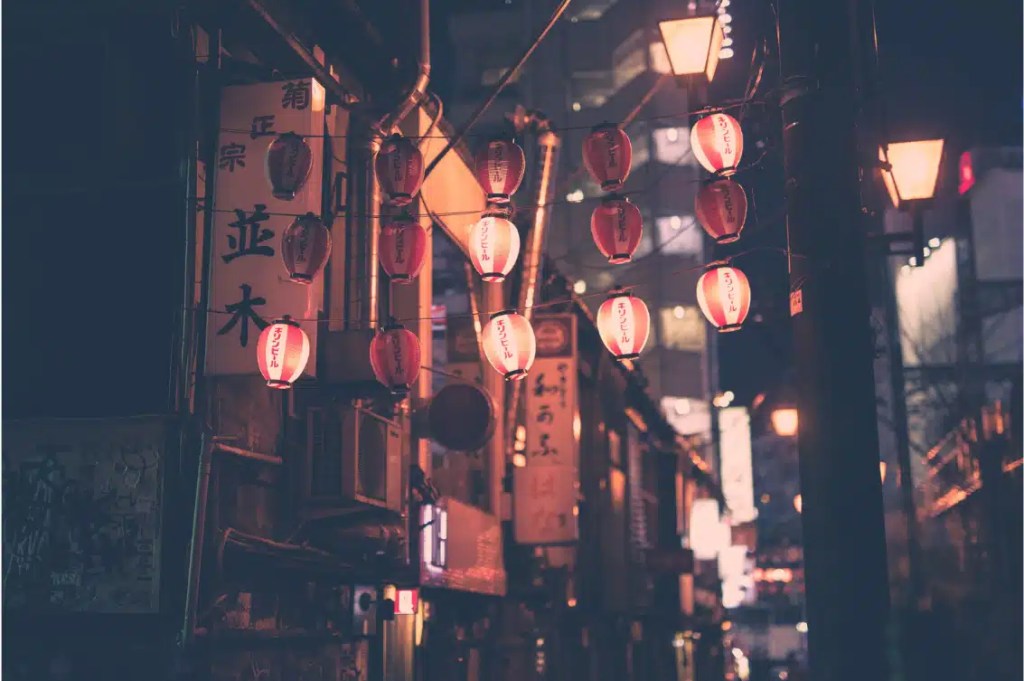
Unforgettable Hidden Gems of Japan for Every Traveler
1. Ainokura Village, Toyama
If you’re looking to teleport straight into an old Japanese movie, Ainokura Village is your spot.
Tucked away in the mountains near the Japanese Alps, it’s got these amazing Gassho-style houses, steep thatched roofs built to withstand some serious snow
And trust me, these aren’t just pretty houses! They’re like stepping into a history book of Japan’s past.
Wandering around, you’ll feel like you’ve traveled back in time. It’s like a warm hug from Japanese history.
2. Shirakawa-go, Gifu
You’re in the remote mountains of Gifu, just a hop, skip, and a jump from Nagano’s famous snow monkeys.
You come across Shirakawa-go, a place so pretty it’s got UNESCO World Heritage bragging rights.
But here’s the thing, while it’s famous for its Gassho-style houses (yes, those same cool houses from Ainokura), it’s got its own flavor.
Think groups of these homes, cherry blossoms popping in spring, and a winter wonderland when it snows. Honestly, it’s like walking into a live painting, and every corner has a story to tell. Cool, right?
3. Kiso Valley
Okay, so imagine a place in Central Japan, nestled right in the Japanese Alps, where nature meets history. That’s Kiso Valley for you.
Ever heard of the Nakasendo Trail? It’s this amazing, ancient postal route that reminds you of times before Japan got its crazy-fast bullet train.
This conveniently one of Tokyo’s hidden gems, with this trail was THE thing back in the day, linking Kyoto and Tokyo.
Walking through the valley, you’ll bump into old post towns like Magome and Tsumago, and trust me, they’re like stepping straight into a samurai movie!
With cobbled pathways, antique wooden inns, and the serene sound of distant beautiful waterfalls, the Kiso Valley offers an introspective journey into Japan’s storied history.
Click here to learn more about the Tri City’s of Japan: Tokyo, Kyoto, Nara!
4. Ainokura Village, Toyama
A serene village hidden within Toyama’s mountains. Ainokura Village is a treasure if you want to immerse yourself in Japan’s history.
What’s super special about this place? The Gassho-style houses! They have stories, tales of a Japan that feels worlds away. A walk here feels like you’re floating through time and tradition.
5. Shirakawa-go, Gifu
Alright, so by now I’ve made you aware of Ainokura’s fantastic Gassho-style houses, right?
Well, tucked away in Gifu’s mountains is Shirakawa-go, another gem with those iconic houses, but with its own little twist. The village is a UNESCO World Heritage site.
Depending on when you go, you could be treated to cherry blossoms or maybe even a snowy wonderland. And just like Ainokura, you feel like you’re wandering through a tale from yesteryears.
If Japan had a heart, places like these would definitely be its beats.
6. Kinosaki Onsen, Hyogo
Tucked along the northern coast of Hyogo Prefecture, is another of the hidden gems of Japan, Kinosaki Onsen.
It’s often ranked among the pinnacle onsen (hot spring) destinations on Japan’smain island.
Strolling its scenic avenues, shadowed by willow trees, one feels ensnared in a world where time gracefully dawdles.
Authentic ryokans, with their traditional tatami rooms and seasonal kaiseki dinners, stand as a testament to Japan’s rich cultural heritage.
But the pièce de résistance here are the 7 public hot spring baths, the best of Japan’s hidden hot springs.
Both locals and foreign tourists come here to embark on an onsen-hopping escapade, luxuriating in the mineral-rich waters beleved to possess therapeutic properties.
7. Ginzan Onsen, Yamagata
Ginzan Onsen, reminiscent of scenes from a sepia-toned photograph, is a sanctuary of relaxation in Yamagata Prefecture.
The wooden ryokans beside the river and the gas lamps that ignite the nightscape gift the town a nostalgic aura. Winter embellishes the town with snow-draped architecture, enhancing its already captivating beauty.
Beyond the visuals, Ginzan Onsen is another hub of natural hot springs where visitors can bask in the warmth of tradition and serenity.
8. Zao Fox Village, Miyagi
Yes, a fox village. Nestled in the mountains near Shiroishi lies the Zao Fox Village, a realm unlike any other in Miyagi Prefecture.
Here, over a hundred foxes find solace, playfully navigating the vast terrain, occasionally brushing paths with humans.
Embedded deeply in Japanese folklore, foxes are revered as messengers of the Shinto deity Inari. Yet, in this sanctuary, they exhibit both their playful and puckish traits, allowing visitors an immersive peek into their world.
9. Ouchi Juku, Fukushima
As you tread the cobbled pathways of Ouchi Juku, a time-warp engulfs you, transporting you to a Japan from epochs past.
This meticulously conserved post town, which once facilitated travelers on the Aizu-Nishi Kaido trade route, remains a testament to Japan’s Edo period.
Many of its thatched dwellings have metamorphosed into small shops and eateries, serving delicacies like soba noodles on a leek.
Whether under the snowy embrace in winter or during the lively festivals of summer, Ouchi Juku stands as an ode to Japan’s profound history.
10. Iya Valley, Tokushima
Nestled deep within the mountains of Shikoku, Iya Valley is a testament to Japan’s untouched natural splendor.
As you venture into this secluded haven, you’re greeted with dramatic gorges, crystal-clear rivers, and steep forested slopes. But the true highlight of Iya Valley has to be its ancient vine bridges.
Once the only means to cross the gushing river below, these bridges, made from woven vines, exude a blend of artistry and functionality. While modern bridges have replaced some, the few that remain are a connection to the valley’s rustic past.
Whether you’re taking a daring walk across the Kazurabashi vine bridge or merely soaking in the serene landscapes, Iya Valley offers a rejuvenating escape from the urban rush.
11. Tomonoura, Hiroshima
Set against the backdrop of the Seto Inland Sea, Tomonoura is a picturesque fishing village that has retained its old-world charm.
As you walk along the waterfront, you’ll witness fishermen at work, their boats bobbing gently against the harbor. You’ll walk among historical buildings, narrow lanes, and ancient temples.
Tomonoura’s serenity and scenic beauty haven’t just attracted tourists but have also inspired filmmakers and artists for years.
12. Aoshima, Miyazaki
A tiny island off the coast of Miyazaki, Aoshima is lovingly referred to as Cat Island and it’s a must-visit among the hidden gems of Japan.
Step onto the island and are greeted by its feline residents. Outnumbering humans by almost 6 to one, these cats roam freely, basking in the sun and playfully interacting with visitors.
While the cats are undoubtedly the main attraction, Aoshima also offers lush forests, a unique geological feature called the Devil’s Washboard, and a laid-back atmosphere distinct from the bustle of Japan’s urban centers.
13. Okunoshima
Another of Japan’s animal-centric destinations, Okunoshima is better known as Rabbit Island.
This small island in the Seto Inland Sea is home to hundreds of friendly and inquisitive rabbits that approach visitors in hopes of a little snack.
While the fluffy inhabitants provide a cute and photogenic allure to the island, Okunoshima also has a darker history, once being a site for chemical weapons production.
Today, an informative museum sheds light on this past, but the island’s present is all about nature, relaxation, and, of course, bunnies!
14. Takachiho Gorge, Miyazaki
Steeped in myth and natural beauty, Takachiho Gorge is a breathtaking chasm carved by the Gokase River.
The sheer volcanic rock walls adorned with lush greenery rise majestically on both sides and at the heart of the gorge is the stunning Manai Waterfall cascading down into the river below.
Visitors can rent rowboats for a serene journey along the water, providing up-close views of the waterfall and the gorge’s ethereal beauty.
Local myths tell tales of gods and their exploits here, adding a layer of mystique to this already enchanting destination.
15. Sankeien Garden, Yokohama
A world away from the bustling streets of Yokohama, Sankeien Garden is a peaceful oasis showcasing Japan’s horticultural artistry.
The meticulous landscaping, punctuated with ponds, streams, and traditional structures, takes visitors on a journey through the country’s diverse seasons.
From cherry blossoms in spring to fiery maple leaves in autumn, every visit to Sankeien offers a unique, ever-changing panorama.
16. Kakunodate, Akita
History lovers seeking hidden gems of Japan, a visit to Kakunodate will not disappoint.
Often dubbed the Samurai District, the town’s well-preserved samurai residences and historic streets are a window into Japan’s storied past.
As you walk along the quiet lanes, the rustic charm of wooden architecture, interspersed with cherry trees, captures the essence of ancient Japan.
17. Dogo Onsen, Ehime
Believed to be one of the oldest hot springs in Japan, Dogo Onsen boasts a history that spans over a thousand years.
Beyond its therapeutic waters, the main bathhouse’s intricate wooden construction is an architectural marvel.
As local legends go, spirits and deities once bathed in these waters, adding a mystical allure to the experience.
18. Yakushima Island
Designated as a UNESCO World Heritage site, Yakushima Island is nature’s magnum opus.
Home to ancient cedar forests, some trees here, like the famed Jomon Sugi, are believed to be over 7,000 years old!
The island’s diverse ecosystems and undulating hiking trails attract nature lovers and adventurers alike, offering them a chance to commune with nature in its primordial glory.
19. Tottori Sand Dunes
A spectacle unlike any other in Japan, the Tottori Sand Dunes are a testament to the country’s diverse landscapes.
Spanning over 16 kilometers, these golden sands seem almost surreal against the backdrop of the Sea of Japan.
Whether you’re paragliding over them, riding a camel, or simply leaving footprints in the sand, the dunes provide a unique desert experience in the heart of coastal Japan.
20. Bitchu Matsuyama Castle, Okayama
Perched atop Mt. Gagyu, Bitchu Matsuyama Castle stands as a silent sentinel, witnessing the passage of time.
One of the 12 original castles left in Japan, its elevation and strategic location made it a formidable fortress in the past.
Plan your trip to visit during a morning fog for an unforgettable experience.
21. Matsushima Bay, Miyagi
Revered as one of Japan’s Three Great Views, Matsushima Bay is a visual symphony of over 260 pine-clad islets rising from serene waters.
The bay is best experienced on a boat tour, allowing visitors to navigate through the intricate patterns formed by these islets against the backdrop of a setting sun.
22. Magome & Tsumago
Walking between Magome and Tsumago evokes the experience of leafing through the pages of an ancient Japanese tale.
These beautifully preserved post towns of the Nakasendo Way are a taste of the Edo-period of Japan, with their stone paths, wooden houses, and the gentle sound of wooden sandals clapping on the streets.
23. Yonago Sand Museum, Tottori
Sand, in the hands of artists at the Yonago Sand Museum, transforms into a canvas for awe-inspiring sculptures.
From intricate depictions of world landmarks to scenes from popular tales, these ephemeral works of art made from sand leave visitors in awe.
24. Daigoji Temple, Kyoto
Seeking hidden gems of Kyoto? Tucked away in the southeastern part of the city, Daigoji Temple is an under-the-radar stop, especially during autumn.
The temple grounds come alive with a riot of colors, as maple trees showcase a vibrant palette of reds, oranges, and yellows.
25. Yoshimine-dera, Kyoto
For more cultural treasures away from the bustling tourist spots of Kyoto, Yoshimine-dera offers both spiritual solace and a breathtaking panorama of the city.
Perched on the western mountains, the temple’s verandas are perfect spots to reflect and appreciate Kyoto’s vast landscapes without the crowds of better-known sites.
26.Fukuoka’s Yatai
As night envelops Fukuoka, the city’s pavements come alive with ‘yatai’ or street food stalls. It’s perfect for those seeking non-touristy cultural immersion.
From savory ramen bowls to fresh seafood, these stalls provide an intimate setting to relish Fukuoka’s culinary delights, often accompanied by lively chats with locals.
27. Shodoshima, Kagawa
Shodoshima, an island in the Seto Inland Sea is truly a hidden gem of Japan.
Often referred to as the Olive Island, Shodoshima charms with its Mediterranean vibes amidst Japanese sensibilities.
Olive gardens, interspersed with art installations and set against scenic coastlines, make it a unique blend of nature and culture.
28. Motonosumi Inari Shrine, Yamaguchi
An awe-inspiring alignment of 123 vibrant red torii gates leading towards the coast defines the Motonosumi Inari Shrine.
Each gate, set against the backdrop of the azure sea and skies, makes for a photographer’s dream while also providing a serene pilgrimage route.
Seeking to extend your journey? Check out my solo female traveler’s guide to Southeast Asia!
29. Noto Peninsula
When you’re experiencing big city fatigue, the Noto Peninsula is the perfect retreat.
This rural destination in the Ishikawa Prefecture requires a rental car to experience its winding coastal views.
Enjoy the rugged beauty of Noto Peninsula, interspersed with diverse attractions, from dramatic coastal cliffs and age-old salt farms to terraced rice fields that shimmer under the sun.
Its relatively untouched nature makes it a haven for those looking to experience rural Japan at its finest.
30. Osorezan, Aomori
Often referred to as Mount Fear, Osorezan is one of Japan’s most sacred sites.
Its barren, desolate landscape, marked by bubbling sulphuric streams, gives it an otherworldly aura, often likened to the Buddhist concept of hell.
Yet, its eeriness is juxtaposed with its spiritual significance, where it’s believed souls of the departed gather.
31. Nyuto Onsen
Nestled in the snowy mountains of Akita, Nyuto Onsen is a collection of traditional ryokan with hot spring baths.
Steeped in history, these ryokans offer visitors an authentic Japanese experience. Think tatami mats, local cuisine, and soothing outdoor baths amidst nature.
32. Chichibugahama Beach, Kagawa
This stunning beach is nature’s own mirror.
At low tide, the shores of Chichibugahama Beach reflect the skies above, creating a surreal, dream-like landscape, often drawing comparisons to Bolivia’s famous Uyuni salt flats.
33. Miyama, Kyoto
If time travel were possible, Miyama would be its destination.
Away from the temples and shrines of Kyoto, this rural town boasts of traditional thatched-roof farmhouses, which paint a picturesque scene of Japan’s rustic past. Locals continue to live in these homes, preserving age-old traditions.
Located just north of the heart of the city, this is another priceless addition to the hidden gems of Kyoto.
34. Ojika Island, Nagasaki
Escape the modern world’s hustle and bustle at Ojika Island. Its serene landscapes, dotted with fishing boats and traditional homes, offer a tranquil retreat.
The pace is leisurely, the locals are warm, and the views? Simply breathtaking.
35. Hitachi Seaside Park, Ibaraki
A riot of colors awaits at Hitachi Seaside Park, one of the top hidden gems of Japan for nature lovers.
Renowned for its seasonal flowers, the park transforms with each changing season. You’ll enjoy vast fields of blue nemophila in spring to burning bush plants turning the park red in autumn.
Each visit promises a unique, mesmerizing experience.
36. Kurashiki, Okayama
A delightful step back into Japan’s Edo period, Kurashiki’s historic district is adorned with white-walled wooden warehouses lining a scenic canal.
Gently gliding boats, willow trees brushing the water’s surface, and stone-paved paths lend a tranquil, timeless charm to this preserved area.
37. Fukui Dinosaur Museum
Set in Katsuyama, Fukui Prefecture, the Fukui Dinosaur Museum is not just for kids!
It’s one of the world’s premier dinosaur museums, boasting an incredible collection of fossils and life-size reconstructions.
The museum’s interactive displays and cutting-edge research facility make it both educational and enthralling.
38. Dewa Sanzan, Yamagata
Nestled in the heart of Yamagata Prefecture, Dewa Sanzan’s trinity of sacred mountains, Mount Haguro, Mount Gassan, and Mount Yudono.
Each mountain is thought to symbolize one of the 3 phases of life: birth, death, and rebirth
A revered pilgrimage site for centuries, it beckons those in search of spiritual enlightenment and natural beauty.
40. Mount Haguro
Worth its own mention on my list of the hidden gems of Japan, Mount Haguro is considered to be the most accessible of the Dewa Sanzan trio (and the only one accessible all year-round).
A peaceful climb up its 2,446 stone steps, sheltered by towering cedar trees, leads to the iconic 5-storied pagoda, a symbol of the mountain’s religious significance.
41. Nikko’s Kanmangafuchi Abyss
A narrow path by the roaring river of Nikko guides visitors through rows of stone Jizo statues, guardians of travelers and the deceased.
The serenity of the location, coupled with the legend that you can never count the same number of statues twice, adds a mystical touch to the experience.
42. Misotsuchi Icicles, Saitama
Mother Nature puts on a winter spectacle with the Icicles of Misotsuchi.
These naturally formed icicles, some towering over 30 meters, transform the region into a crystalline wonderland.
You can take a train from Tokyo in late winter to see these marvels of nature along the Arakawa River. Time it right to experience the icicles illuminated in the evenings, when they become an ethereal, glowing masterpiece.
43. Kumano Kodo Pilgrimage Routes, Wakayama
Seven ancient trails crisscross the Kii Peninsula. These routes have seen pilgrims for over a millennium.
They lead through dense forests, past cascading waterfalls and grand shrines, offering both a spiritual and physical journey.
44. Yanagimachi Street, Sendai
Sendai’s historical district offers a similar experience to that of both Kyoto and Tokyo, but with a more authentic feel.
Skip the crowds of tourists and stroll down Yanagimachi Street, one of the hidden gems of Japan.
Journey back to the samurai era as you observe meticulously preserved samurai residences lining the street, some of which are open to the public.
Explore Japan’s Hidden Gems for Yourself
Next time you find yourself wandering the Land of the Rising Sun, let curiosity guide you beyond the familiar.
These 44 hidden gems of Japan, each with its own tale, beckon those yearning for a more intimate and honest experience.
Venturing off the beaten track not only rewards with unspoiled beauty but also fosters a deeper connection with the land and its people.
Dive into the heart of Japan and discover the magic that lies hidden in its secret pockets. It’s a journey of unexpected delights you’ll cherish forever.



7 Comments