South America

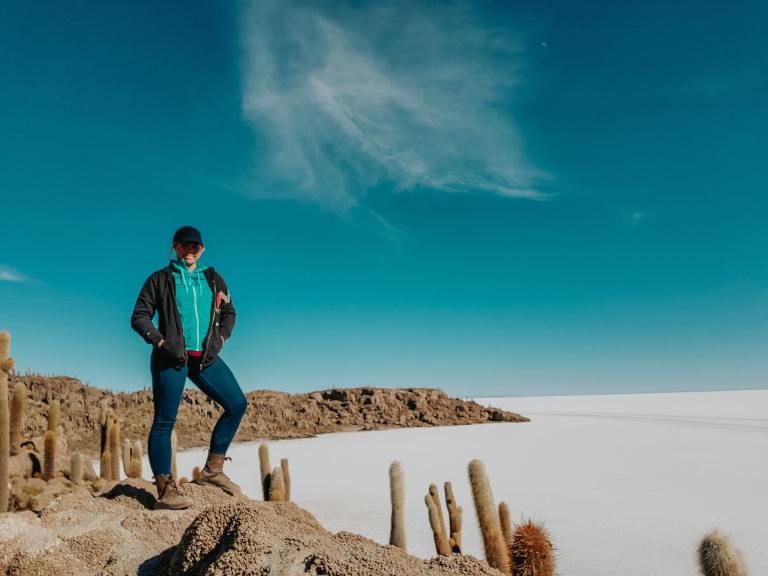
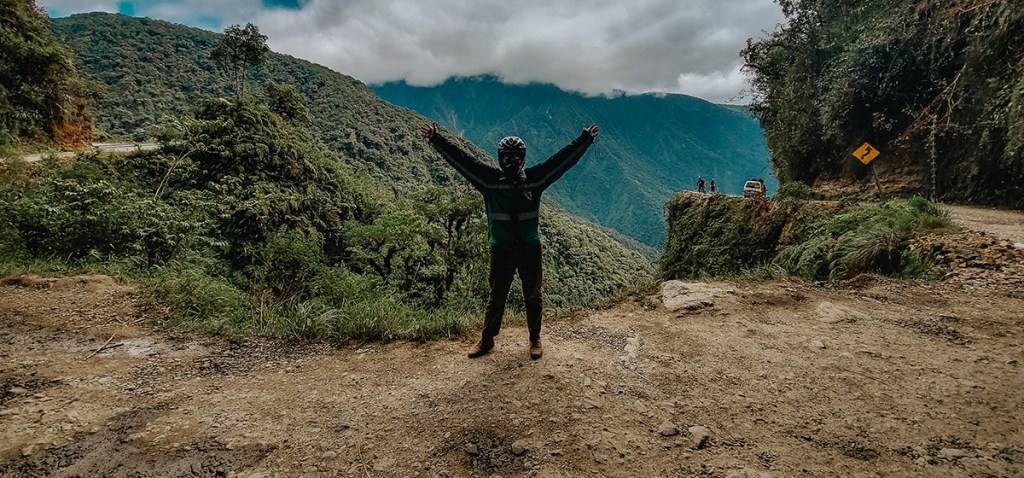
From savoring street food in Lima to trekking through the breathtaking Andes, South America is a dream destination for the solo female traveler. With its rich cultural tapestry, dramatic landscapes, and warm, welcoming locals, every journey here feels both exhilarating and deeply personal.

One day you’re dancing to the rhythm of samba in Rio de Janeiro; the next, you’re marveling at the ancient mysteries of Machu Picchu. Whether you’re sipping Malbec in Mendoza or stargazing in Chile’s Atacama Desert, South America offers endless opportunities for soulful discovery and bold adventure. This continent is all about contrasts—lush rainforests, arid deserts, bustling cities, and serene villages—all stitched together by vibrant traditions and unforgettable stories.

Travel Tips by Region:

Safety Precautions

  • North America is generally safe for solo female travelers, but it’s important to stay alert, especially in big cities. In urban areas like New York City, Mexico City, and Los Angeles, be aware of your surroundings, avoid poorly lit areas at night, and keep valuables secure. Use crossbody anti-theft bags, limit solo night walks in unfamiliar neighborhoods, and research local taxi or rideshare safety. In more remote or wilderness areas (think national parks), always let someone know your itinerary, carry a portable charger, and pack essentials. Travel insurance is highly recommended to cover medical care, cancellations, and adventure activities.

Transport Tips

  • Brazil & Argentina: Long-distance buses are a popular and affordable option, especially with companies like CATA or Crucero del Norte. In cities like Buenos Aires and São Paulo, metro systems are reliable, but avoid peak hours for safety.
  • Peru & Bolivia: Colectivos (shared vans) and long-haul buses are common for intercity travel. In rural areas, expect variable road conditions. PeruRail or Inca Rail is ideal for journeys to Machu Picchu.
  • Chile & Colombia: Domestic flights are often more time-efficient for covering large distances. Buses are modern and comfortable for cross-country routes. In cities like Bogotá and Santiago, TransMilenio or Metro systems are efficient but can be crowded.
  • Ecuador: Inexpensive buses connect most towns and cities. For the Galápagos, flights from Quito or Guayaquil are essential. Taxis are cheap but always negotiate the fare or ensure the meter is used.

Cultural Etiquette

  • Brazil & Colombia: Greetings are warm—expect hugs or cheek kisses (one or two depending on the region). Personal space is minimal, and friendliness is appreciated.
  • Argentina & Chile: Cheek kissing is a standard greeting even in professional settings. Locals value good conversation—small talk is a social must.
  • Peru & Bolivia: A polite handshake is common, especially in rural or formal situations. Modesty in dress is appreciated, particularly in traditional or indigenous communities.
  • Ecuador: Punctuality varies—urban areas are more time-conscious than rural ones. Always greet with a “buenos días” or “buenas tardes” when entering a shop or restaurant.

Quick Facts:

  • Countries: 12
  • Major Languages: Spanish, Portuguese, Quechua, English
  • Prominent Rivers: Amazon, Orinoco, Paraná
  • Peak Tourist Seasons: Summer (December–March), Dry Season in Andes (May–September)

Best Times to Visit

Andean Highlands (Peru, Bolivia, Ecuador): The dry season from May to September is ideal for trekking adventures like the Inca Trail and exploring high-altitude cities such as Cusco and Quito. Days are sunny and skies are clear—perfect for epic mountain views and crisp photo ops.

Amazon Rainforest (Brazil, Peru, Colombia): Visit during the dry season (June–October) for easier jungle hikes and wildlife spotting. While it’s humid year-round, these months bring less rainfall and more accessible trails and riverways.

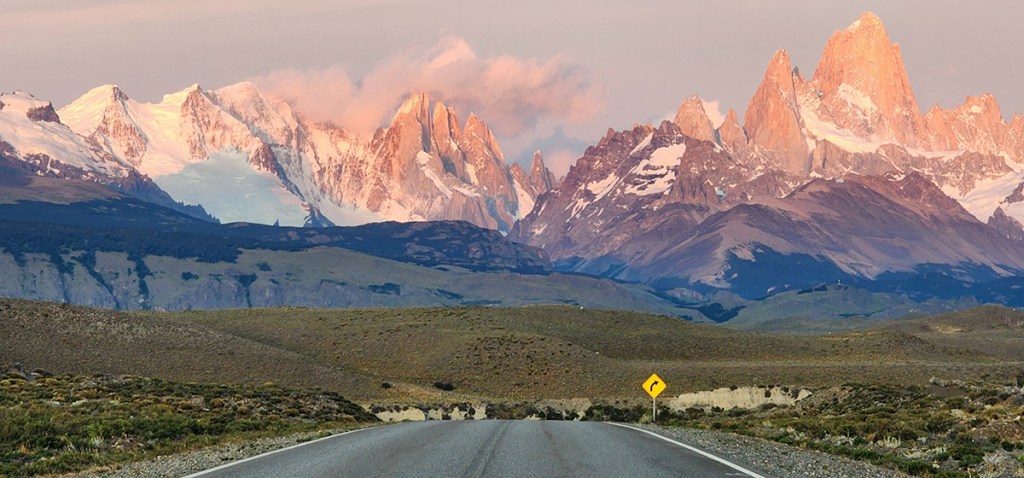
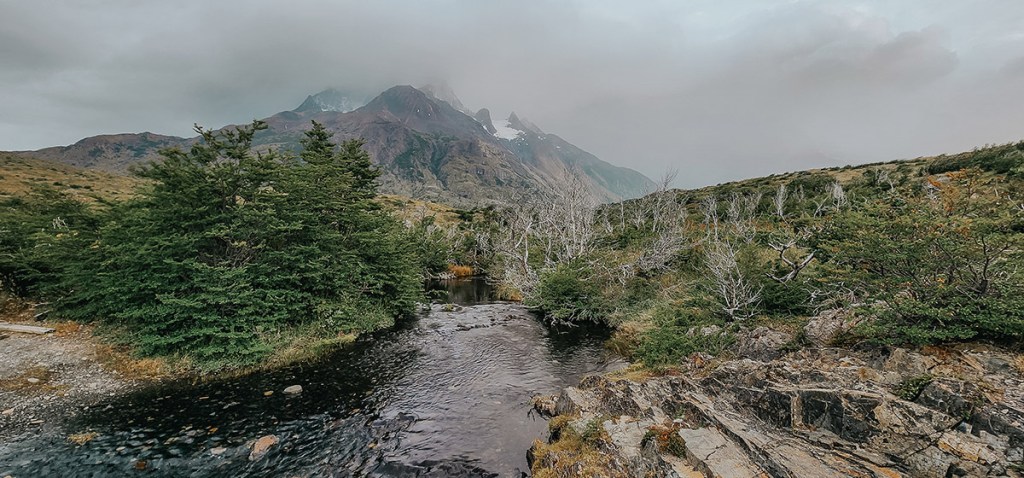
Patagonia & Southern Chile/Argentina: The best time to explore glaciers, hike Torres del Paine, or kayak past icebergs is during the summer months of December to March, when the weather is warmest and most trails are open.

Coastal Cities (Rio de Janeiro, Cartagena, Lima): Head to the coast during shoulder seasons (March–May and September–November) for warm weather, fewer crowds, and lively cultural festivals—plus perfect beach days without peak-season prices.

Northern South America (Colombia, Venezuela): This region is generally tropical year-round, but December to March tends to be drier and more travel-friendly, especially for beach destinations like Tayrona National Park or the islands off Cartagena.

Packing List

Packing for South America depends on the regions you’re exploring—from steamy Amazon jungles to high-altitude Andean peaks and vibrant coastal cities. Versatility and climate-aware packing are key!

  • FOOTWEAR
    Comfortable Walking Shoes – Expect varied terrain from cobblestones in colonial cities to dirt paths in national parks. Lightweight sneakers or durable hiking shoes are ideal.
    Sandals (for warm destinations) – For beach towns or hot cities, bring breathable, supportive sandals.
  • LAYERING CLOTHES (SEASONAL ADJUSTMENTS)
    Base Layer: Moisture-wicking thermal top & leggings are essential for colder regions like Patagonia or the Andes.
    Mid Layer: A fleece or puffer jacket will keep you warm during chilly mountain mornings or nights.
    Outer Shell: A waterproof, windproof jacket is crucial in rain-prone areas like the Amazon or cloud forests.
  • ACCESSORIES FOR VARYING CLIMATES
    Travel Scarf: Great for layering on chilly Andean evenings or air-conditioned buses.
    Gloves (for winter in Patagonia or highlands): Touchscreen-compatible gloves are helpful if you’re going south or hiking at elevation.
    Packable Hat: Wide-brim sun hat for jungle, deserts, or beach regions.
  • DAY PACK
    Anti-Theft Backpack: Especially helpful in busy cities like Lima, Bogotá, or Buenos Aires.
    Crossbody Purse (for city travel): Keep valuables secure while navigating markets or public transport.
    Reusable Water Bottle: Hydration is critical at high altitudes and in warm climates.
  • OTHER ESSENTIALS
    Universal Travel Adapter: South America does not use European plugs—you’ll need adapters specific to types A, B, C, and I depending on the country.
    Portable Charger: Essential for long bus rides, treks, and remote travel.

my gear list

FAQ – South America Travel Essentials

  • Entry Policies Vary Widely by Country: South America does not operate under a unified visa system, so entry requirements vary by country. Here’s what travelers from visa-exempt countries (like the U.S., U.K., Canada, Australia) should keep in mind:
  • Visa-Free or Visa-on-Arrival Countries: Most South American nations—including Brazil, Argentina, Chile, Peru, Colombia, and Ecuador—offer visa-free access for tourism to passport holders from many Western countries, with stays typically allowed from 30 to 90 days.
  • E-Visas or Online Pre-Registration: While most entry is visa-free, some countries (like Bolivia and Suriname) may require an e-visa or prior online registration, especially for certain nationalities. Always double-check with the country’s official immigration site.
  • Longer Stays or Special Visas (Work/Volunteer): If you’re planning to volunteer, study, or stay beyond the typical tourist window, you’ll likely need to apply for a special visa in advance. Countries like Brazil and Argentina have specific processes for extended or non-tourist stays.
  • Transit Tips: If connecting through cities like Lima, Bogotá, or São Paulo, be aware of layover requirements. While many travelers won’t need a visa just to transit, it’s still smart to confirm layover rules—especially if your connection involves switching airports or staying overnight.
  • Important Disclaimer: Entry policies can change frequently due to political, health, or security reasons. Always check the most up-to-date information on official embassy or government websites before you travel.

South America uses a variety of local currencies, so having a plan for currency exchange and payments is key—especially if you’re visiting multiple countries. Multi-currency travel cards and exchange apps can make things smoother.

Common Currencies to Know:

  • Brazil: Brazilian Real (BRL)
  • Argentina: Argentine Peso (ARS)
  • Chile: Chilean Peso (CLP)
  • Peru: Peruvian Sol (PEN)
  • Colombia: Colombian Peso (COP)
  • Ecuador: U.S. Dollar (USD)
  • Bolivia: Boliviano (BOB)
  • Uruguay: Uruguayan Peso (UYU)

Currency Exchange Tips:

  • Use local ATMs for better exchange rates, but alert your bank before traveling to avoid card blocks.
  • Avoid airport kiosks when possible—rates are usually worse than banks or ATMs.
  • Bring some USD as a backup, especially for countries with fluctuating currencies or rural areas where ATMs are scarce.
  • Multi-Currency Management: Use travel-friendly cards like Wise, Revolut, or Charles Schwab for low fees and seamless currency conversion. Apps like XE or Currency Converter Plus help track live exchange rates and avoid surprise costs.

Travel Guides

Explore detailed guides, solo travel stories, and curated tips for each country in South America. Click below to dive into destinations I’ve covered so far—more coming soon!