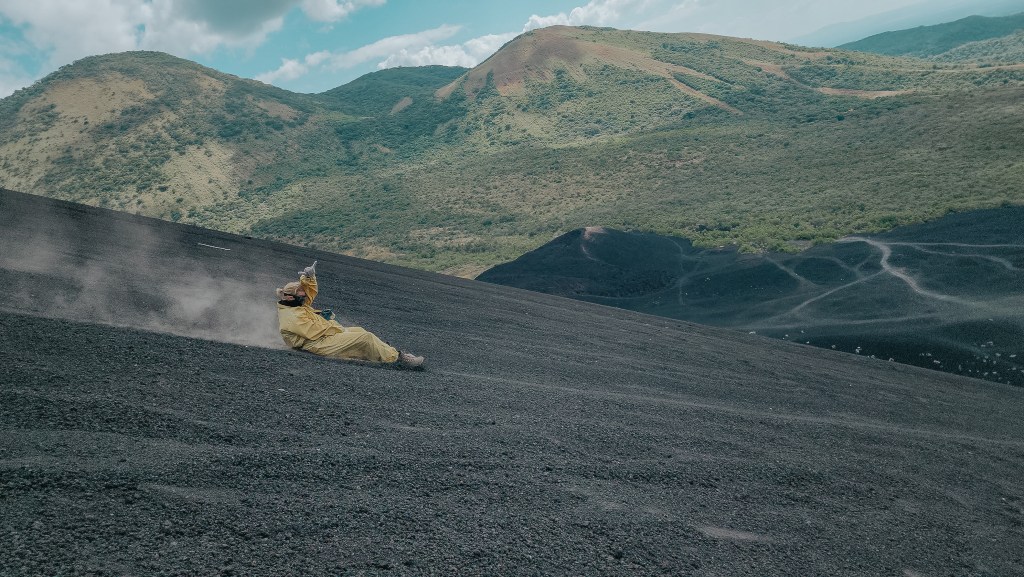
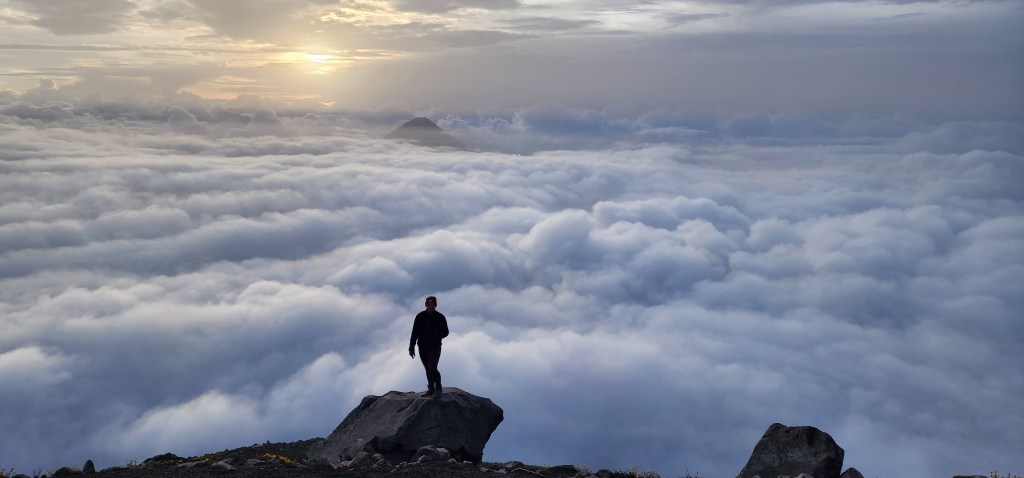
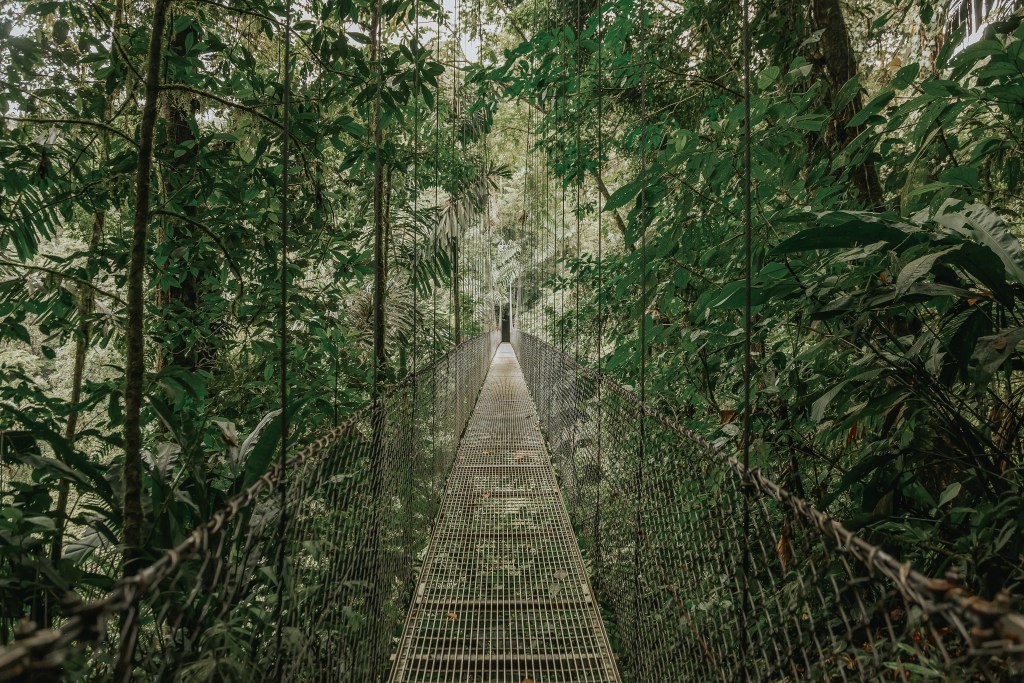
From kayaking past glaciers in Alaska to salsa dancing in a rooftop bar in Mexico City, North America offers a dazzling range of experiences for the solo female traveler. It’s a continent of contrasts—bustling cities, serene national parks, coastal escapes, desert magic, and snowy mountaintops—each destination with its own rhythm and allure. With well-developed infrastructure, a strong solo travel culture, and countless adventure-ready spots, exploring here is both empowering and exhilarating.
One day, you’re hiking beneath waterfalls in Costa Rica’s cloud forests; the next, you’re sipping bourbon in a jazz bar in New Orleans or chasing sunrise over Banff’s alpine lakes. Whether you’re road tripping down the Pacific Coast Highway or wandering through charming French-speaking towns in Québec, North America makes it easy to travel solo, safely, and with soul. Every journey here invites freedom, wonder, and a little bit of wild.
Travel Tips by Region:
Safety Precautions
North America is generally safe for solo female travelers, but it’s important to stay alert, especially in big cities. In urban areas like New York City, Mexico City, and Los Angeles, be aware of your surroundings, avoid poorly lit areas at night, and keep valuables secure. Use crossbody anti-theft bags, limit solo night walks in unfamiliar neighborhoods, and research local taxi or rideshare safety. In more remote or wilderness areas (think national parks), always let someone know your itinerary, carry a portable charger, and pack essentials. Travel insurance is highly recommended to cover medical care, cancellations, and adventure activities.
Transport Tips
United States & Canada: Public transport varies widely—cities like New York, Toronto, Montreal, and San Francisco have reliable systems, while others are car-dependent. Amtrak and VIA Rail offer scenic but limited train options. For flexibility, consider renting a car for road trips (especially in national parks). Rideshare apps like Uber and Lyft are widely available.
Mexico: Buses (like ADO and ETN) are safe, comfortable, and ideal for intercity travel. Metro systems in cities like Mexico City are affordable, though crowded—avoid rush hour and keep belongings close. Domestic flights are often cheap for longer distances. Apps like DiDi and Uber are widely used.
Caribbean & Central America: Public buses are budget-friendly but can be inconsistent; private shuttles or domestic flights offer more comfort and safety. In countries like Costa Rica and Belize, consider renting a car if exploring rural areas, but check road conditions in advance. Always use registered taxis or verified rideshare services.
Cultural Etiquette
United States & Canada: Tipping is standard—expect to tip 15–20% in restaurants and for services like haircuts or taxis. Personal space and punctuality are valued. A friendly but respectful tone goes a long way.
Mexico: Greetings are warm—expect handshakes or cheek kisses in social settings. Basic Spanish phrases are appreciated. Tipping is customary (10–15%) in restaurants and for tour guides or hotel staff.
Caribbean & Central America: Hospitality is a cornerstone of the culture. Dress modestly in religious or rural areas. In some regions, locals may be more conservative—respect cultural norms and ask before taking photos of people.
Nature & Indigenous Lands: When visiting national parks, reserves, or indigenous communities, follow Leave No Trace principles and respect local customs or access restrictions. Support local guides and artisans where possible.
Quick Facts:
Countries: 23 (including major travel destinations like the USA, Canada, Mexico, and Costa Rica)
Major Languages: English, Spanish, French
Prominent Rivers: Mississippi, Colorado, Yukon, St. Lawrence
Peak Tourist Seasons: Summer (June–August for most of the U.S. and Canada), Winter (December–March for ski and tropical beach destinations)
Best Times to Visit
Northern North America: Explore the natural beauty of Canada and the northern U.S. during the summer months (June–August), when national parks like Banff and Glacier are in full bloom and cities like Vancouver, Seattle, and Chicago come alive with festivals and long daylight hours.
Southern U.S. & Mexico: Visit in the winter and early spring (December–April) for sunny skies and milder temps—perfect for beach escapes in Tulum, desert hikes in Arizona, and cultural adventures in cities like Austin and Oaxaca without the intense summer heat.
Caribbean & Central America: Dry season (December–April) is the sweet spot for dreamy getaways in Costa Rica, Belize, and island nations like Jamaica and the Dominican Republic. Expect lush jungles, beach bliss, and adventure opportunities galore—ideal for solo women craving both serenity and thrills.
Autumn Highlights (September–November): Leaf-peeping in New England, wine tasting in California, and harvest festivals throughout the continent make fall a cozy, colorful time to explore. Plus, fewer crowds and moderate weather = solo traveler gold.
Packing List
Packing for North America depends on where you’re headed—sun-soaked beaches in Mexico, mountain hikes in Canada, or city-hopping through the U.S. Comfort, weather versatility, and safety are key for solo female adventurers.
FOOTWEAR Comfortable Walking Shoes – North American cities can be spread out with varied terrain (from cobblestones in Québec to urban hills in San Francisco). Opt for supportive sneakers or sturdy boots. Sandals (for warm destinations) – A stylish yet supportive pair for exploring beach towns or tropical areas.
LAYERING CLOTHES (SEASONAL ADJUSTMENTS) Base Layer: Ideal for cooler climates or early morning hikes in national parks like Yosemite or Banff. Mid Layer: For chilly evenings in coastal cities. Outer Shell: A rain jacket is essential for places like the Pacific Northwest or hurricane-prone regions.
ACCESSORIES FOR VARYING CLIMATES Travel Scarf: Great for air-conditioned planes, desert evenings, or impromptu picnics. Gloves (for winter travel): Especially helpful for snowy destinations like Colorado or Quebec City. Packable Hat: A beanie for chilly days or a sun hat for tropical and desert climates.
DAY PACK Anti-Theft Backpack: Important for urban areas like NYC, Mexico City, or Vancouver. Crossbody Purse (for city travel): Prioritize anti-theft features for peace of mind. Reusable Water Bottle: Hydration is key on long hikes or city strolls—tap water is safe in most of the U.S. and Canada.
OTHER ESSENTIALS Universal Travel Adapter: The U.S., Canada, and Mexico use Type A/B plugs and 110V. Portable Charger: For navigation, safety apps, or capturing content on the go.
United States: Most travelers from visa-exempt countries (including EU nations, the UK, Australia, and others) must apply for an ESTA (Electronic System for Travel Authorization) before entering the U.S. for tourism. The application costs $21 USD and is valid for two years or until your passport expires.
Canada: Travelers from visa-exempt countries must apply for an eTA (Electronic Travel Authorization) when flying into Canada. It costs $7 CAD and is valid for up to five years or until your passport expires. U.S. citizens do not need a visa or eTA.
Mexico: Citizens from many countries (including the U.S., Canada, UK, and EU) do not need a visa for stays up to 180 days for tourism. You will need to complete a Multiple Immigration Form (FMM), which is often provided on your flight or at border crossings.
Central America & the Caribbean: Visa requirements vary widely. Some countries (like Costa Rica and Belize) allow visa-free entry for up to 90 days for many nationalities, while others may require visas or proof of onward travel. Always check entry rules before booking.
Tip: Always check each country’s official immigration website for the most up-to-date entry requirements and travel advisories.
Currency Breakdown:
United States: U.S. Dollar (USD)
Canada: Canadian Dollar (CAD)
Mexico: Mexican Peso (MXN)
Central America & Caribbean: Each country has its own currency—examples include the Costa Rican Colón (CRC), Belize Dollar (BZD), and Jamaican Dollar (JMD). U.S. dollars are widely accepted in some areas, but local currency is often preferred for smaller purchases.
Multi-Currency Management: To avoid extra fees, use a travel-friendly debit/credit card (like Revolut, Wise, or Charles Schwab) that supports multiple currencies. Apps like XE Currency or Currency Converter Plus are great for tracking exchange rates on the go.
Avoid airport exchanges and always opt to be charged in local currency when using cards abroad.
Travel Guides
Explore detailed travel guides, solo itineraries, packing tips, and unforgettable experiences from countries I’ve explored in North America. Click below to dive into each destination: