

Europe

Travel Tips by Region:

Safety Precautions

  • Europe is generally safe for solo female travelers, but be mindful of pickpockets in busy tourist areas like Barcelona’s Las Ramblas, Paris’s metro, and Rome’s Termini Station. Use anti-theft bags, avoid leaving valuables on café tables, and be cautious of common scams (e.g., distraction techniques, fake petitions).
  • Always have travel insurance that covers medical emergencies, trip cancellations, and theft.

Transport Tips

  • Western & Central Europe: The Eurail pass is great for long-distance travel, but budget airlines like Ryanair, EasyJet, and Wizz Air often offer cheaper alternatives for cross-country trips. Cities like Paris, Berlin, and Vienna have efficient metro systems.
  • Southern Europe: Public transport is reliable but less extensive than in the north. Trains connect major cities in Italy and Spain, but buses are better for reaching smaller towns. Ferries are the best way to explore the Greek islands and the Amalfi Coast.
  • Eastern Europe: Trains can be slower and less modern, but FlixBus and RegioJet offer budget-friendly travel between cities. Rideshare apps like Bolt and Uber are common in places like Poland and the Czech Republic.
  • Northern Europe: Trains and buses are expensive but extremely efficient. Norway and Sweden have scenic long-distance rail routes, while cities like Copenhagen and Amsterdam are best explored by bike.

Cultural Etiquette

  • Western & Central Europe: Tipping (5-10%) is common but not mandatory in restaurants. In France and Germany, a light handshake or a cheek kiss (depending on the country) is a typical greeting.
  • Southern Europe: Greetings are often warm—expect cheek kisses in Spain and Italy. Dress modestly when visiting religious sites like the Vatican or Greek monasteries.
  • Eastern Europe: A firm handshake is the standard greeting. In countries like Hungary and Poland, maintaining eye contact shows confidence and respect.
  • Northern Europe: Punctuality is valued—arriving late is considered rude in places like Sweden and Finland. In Scandinavia, it’s common to remove shoes before entering a home.

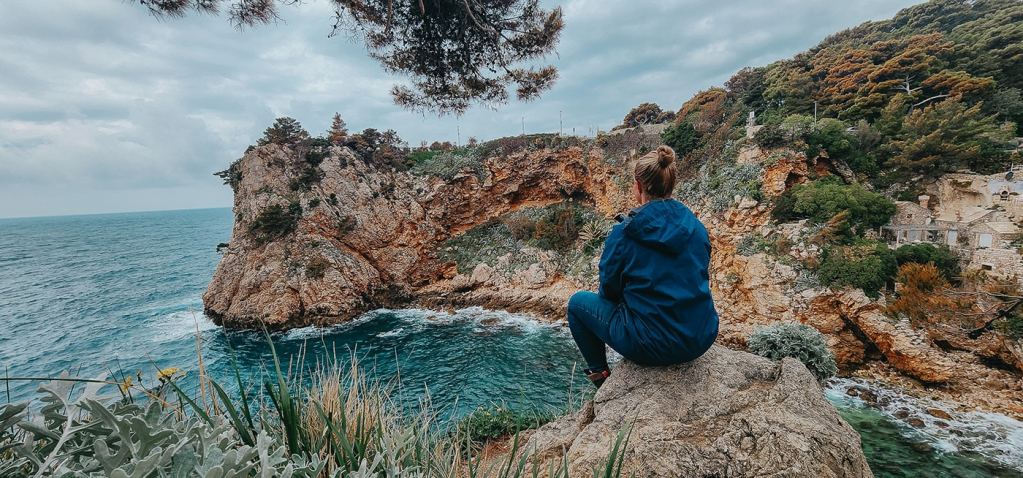
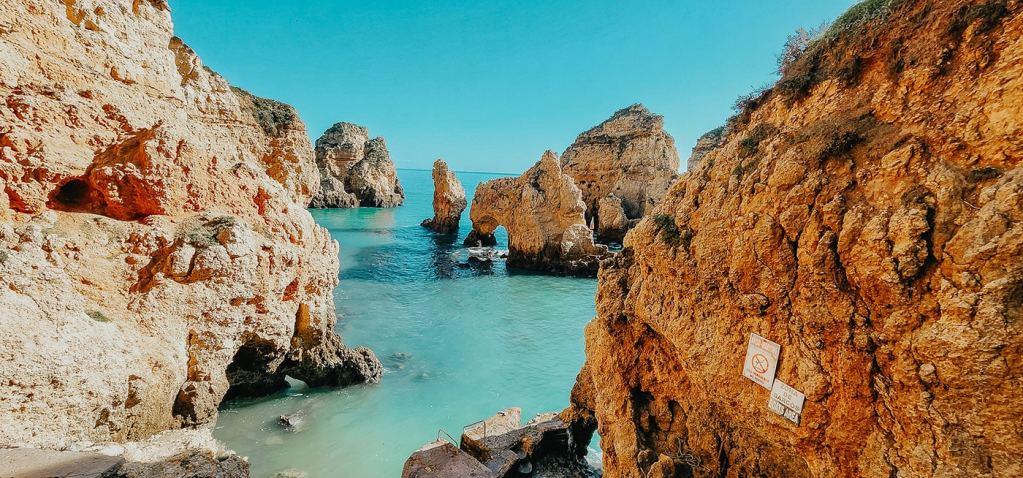
From sipping wine in a tucked-away Parisian café to hiking the dramatic cliffs of the Amalfi Coast, Europe is a solo female traveler’s dream. With its seamless train networks, walkable cities, and endless mix of history, culture, and adventure, exploring here feels effortless—yet never dull.

One day, you’re chasing waterfalls in Iceland; the next, you’re getting lost in the souks of Istanbul. Whether you’re dancing the night away in Barcelona or soaking in a quiet sunrise over the Swiss Alps, Europe has a way of making every moment unforgettable. Safe, diverse, and full of possibilities, this is the ultimate place to roam free and write your own story.

Quick Facts:

  • Countries: 44
  • Major Languages: English, French, German, Spanish, Italian, Russian
  • Prominent Rivers: Danube, Rhine, Volga
  • Peak Tourist Seasons: Summer (June-August), Winter (December-February for Christmas Markets and skiing)

Best Times to Visit

Northern Europe: Enjoy the mild summer (June-August) with long days ideal for exploring the fjords of Norway and urban centers like Stockholm and Copenhagen.

Central Europe: Visit in summer for music festivals and outdoor cafes or winter to experience magical Christmas markets in cities like Vienna and Munich.

Southern Europe: Spring (March-May) and autumn (September-November) offer pleasant weather with fewer crowds in tourist hotspots like Rome, Athens, and Barcelona.

Eastern Europe: Opt for spring or autumn to enjoy mild weather and cultural events in Prague, Budapest, and Krakow without the summer tourist rush.

Packing List

Packing for Europe depends on the season and your travel style—whether you’re exploring Mediterranean beaches, hiking in the Alps, or wandering through historic cities. Comfort and versatility are key!

  • FOOTWEAR
    Comfortable Walking Shoes – Expect long days exploring cities on cobblestone streets. Opt for lightweight, cushioned sneakers or travel-friendly boots.
    Sandals (for warm destinations)
    – A pair of comfortable, stylish sandals for summer travel.
  • LAYERING CLOTHES (SEASONAL ADJUSTMENTS)
    Base Layer: Moisture-wicking thermal top & leggings for colder destinations.
    Mid Layer: A warm fleece jacket or lightweight puffer for layering.
    Outer Shell: A waterproof & windproof jacket is essential for unpredictable European weather.
  • ACCESSORIES FOR VARYING CLIMATES
    Travel Scarf: Doubles as a blanket for chilly flights or nights in the Alps.
    Gloves (for winter travel): Touchscreen-compatible, insulated gloves for cold weather sightseeing.
    Packable Hat: A warm beanie for winter or a wide-brim sun hat for summer.
  • DAY PACK
    Anti-Theft Backpack: A lightweight, RFID-protected daypack to keep your valuables secure in crowded areas.
    Crossbody Purse (for city travel): A slash-proof, RFID-blocking purse for added security.
    Reusable Water Bottle: Many European cities have safe drinking water—bring a collapsible or insulated bottle.
  • OTHER ESSENTIALS
    Universal Travel Adapter: Europe has different plug types—bring an all-in-one adapter with USB ports.
    Portable Charger: A power bank is a must for long travel days.

my gear list

FAQ

  • ETIAS Authorization: Starting in 2026, travelers from visa-exempt countries, including the United States, will need to obtain an ETIAS (European Travel Information and Authorization System) authorization before entering Schengen Area countries. This online application costs €7 and is valid for three years or until your passport expires, whichever comes first.
  • Schengen Area Stay Limit: With an approved ETIAS, you can travel within the Schengen Area for up to 90 days within any 180-day period. ​
  • Eurozone Countries: The euro (€) is the official currency in 20 EU countries, collectively known as the Eurozone. These countries include Austria, Belgium, Croatia, Cyprus, Estonia, Finland, France, Germany, Greece, Ireland, Italy, Latvia, Lithuania, Luxembourg, Malta, the Netherlands, Portugal, Slovakia, Slovenia, and Spain. ​
  • Non-Eurozone EU Countries: Several EU countries continue to use their own national currencies:​
    • Bulgaria: Bulgarian lev (BGN)
    • Czech Republic: Czech koruna (CZK)
    • Denmark: Danish krone (DKK)
    • Hungary: Hungarian forint (HUF)
    • Poland: Polish złoty (PLN)
    • Romania: Romanian leu (RON)
    • Sweden: Swedish krona (SEK)
  • Non-EU Countries Using the Euro: Some non-EU countries and territories also use the euro, including Andorra, Monaco, San Marino, Vatican City, Kosovo, and Montenegro.

Multi-Currency Management: Given the variety of currencies, it’s advisable to use a multi-currency bank card or a currency exchange app to manage your funds efficiently while traveling across different countries.

Travel Guides