Antarctica

General Travel Tips:

Safety Precautions Specific to Antarctica

  • Follow Guide Instructions: Always stick with your guide and group, and heed all instructions provided by experienced tour personnel.
  • Weather Awareness: Be prepared for sudden changes in weather, which can be severe. Dress appropriately and heed warnings from your tour leaders.
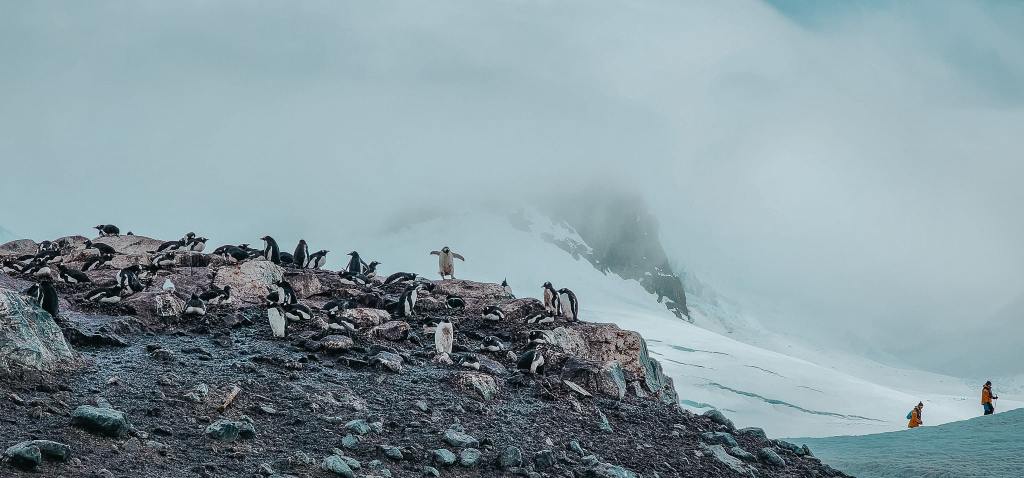
  • Wildlife Encounters: Observe wildlife from a safe distance. Follow the guidance of your tour guides on how close you can get. Never attempt to feed or touch the wildlife.

Environmental Guidelines:

  • Take Nothing but Pictures: Leave all natural objects as you find them. Carry back everything you bring, including all trash and leftover food.
  • Stick to Paths: Always stay on marked paths during guided tours to minimize environmental impact.
  • Respect Wildlife: Maintain a respectful distance from animals; use binoculars for a closer view. Follow the guidelines set by your tour regarding interactions with wildlife.
  • Biosecurity Measures: Follow any biosecurity guidelines provided by your tour operators, such as cleaning boots and gear, to avoid introducing invasive species to the ecosystem.

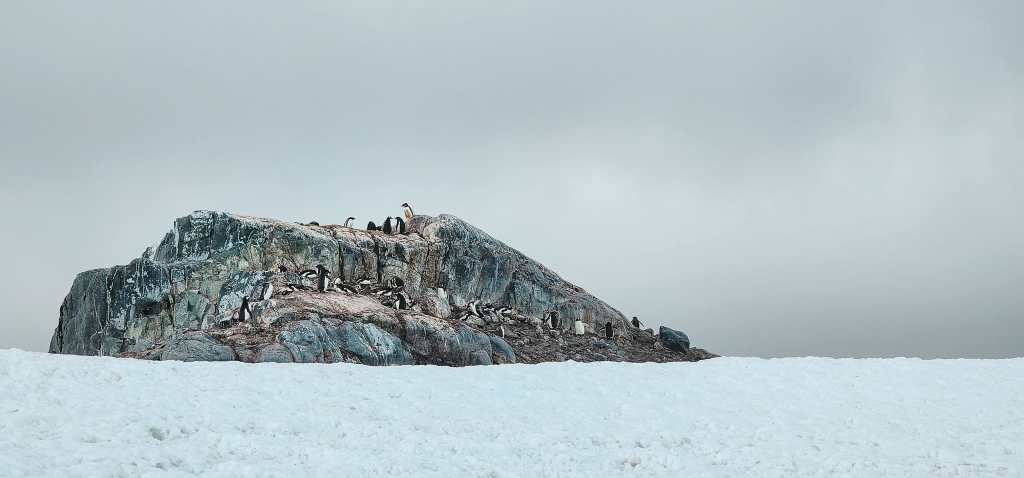
Antarctica, the epitome of pristine wilderness, offers a unique adventure for solo female travelers seeking the thrill of the unknown. 

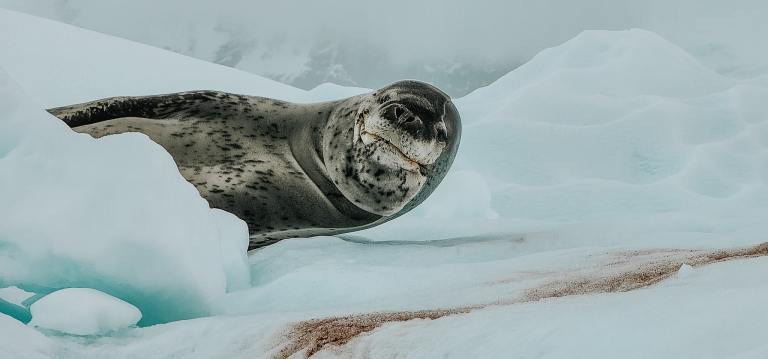
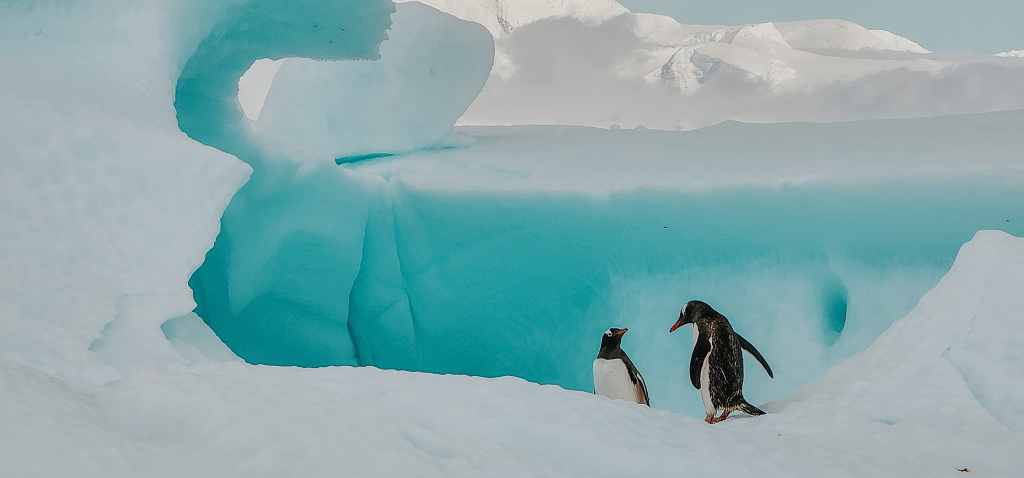
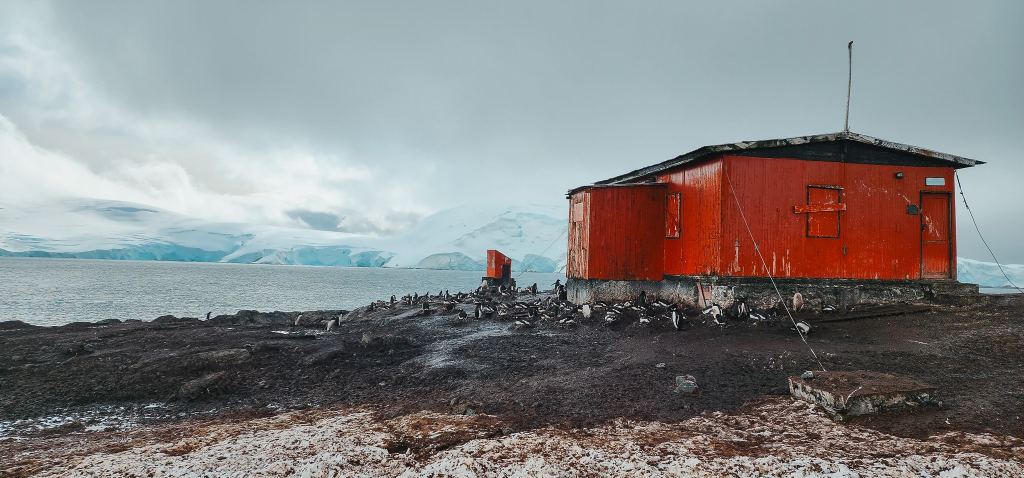
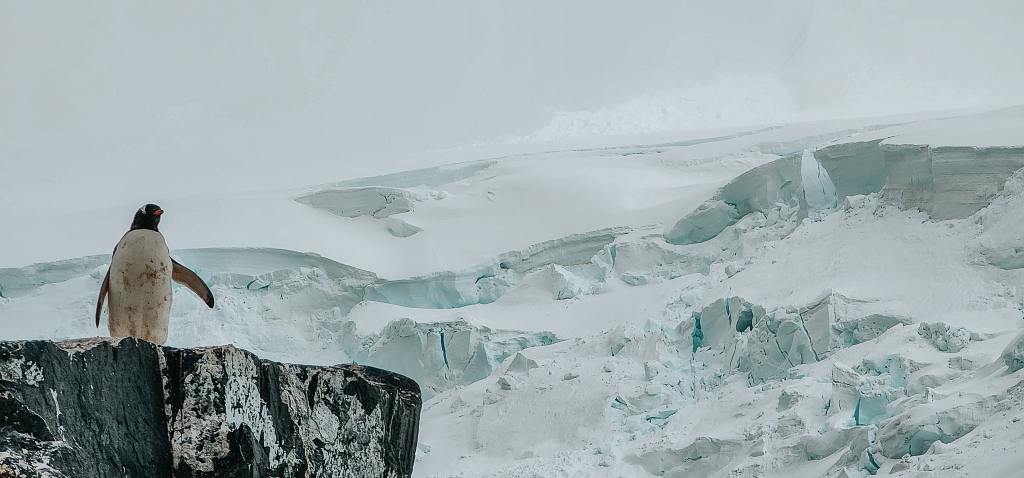
This icy continent, dominated by vast glaciers and surrounded by the Southern Ocean, is a haven for wildlife enthusiasts, home to penguins, seals, and occasional whale sightings. While it’s one of the more challenging and less budget-friendly destinations, the experience of trekking across untouched snow or cruising past towering icebergs is unparalleled. 

Ideal for the intrepid traveler, Antarctica provides a profound sense of isolation and connection to nature, making it a must-visit for those who dare to explore the extremes of our planet.

Best Times to Visit

Summer (Nov – Feb): Ideal for wildlife and iceberg sightings.
Winter (Mar – Oct): Not recommended for travel due to extreme conditions.

Recommended Clothing and Gear

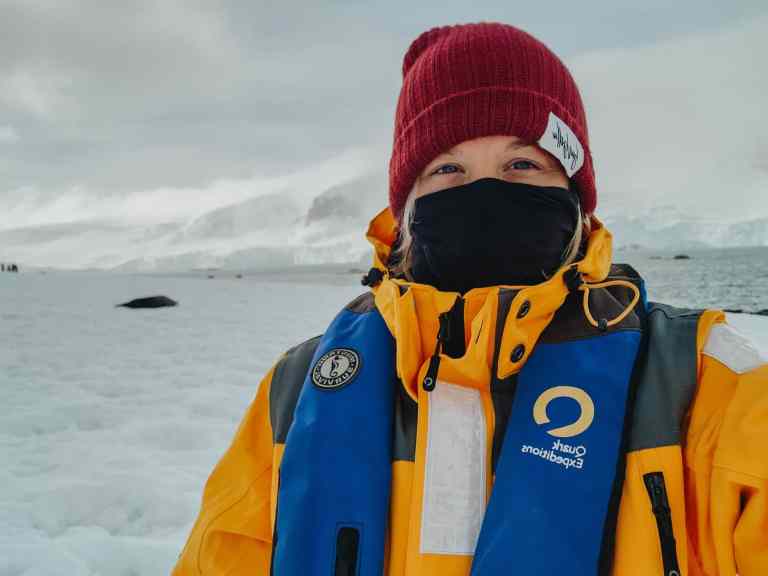
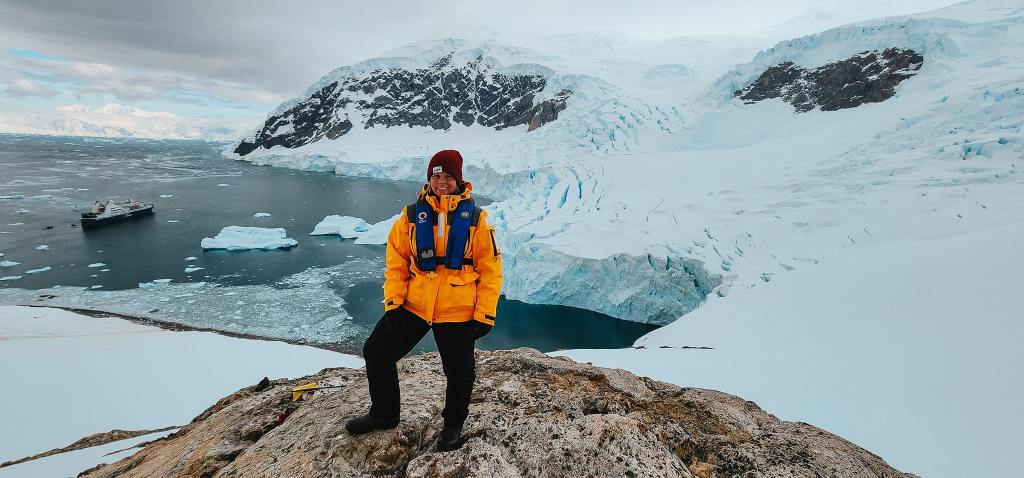
  • Layered Clothing: Opt for a moisture-wicking base layer, a warm insulating layer (like fleece or down), and a waterproof and windproof outer shell.
  • Specialized Footwear: Wear insulated, waterproof boots for warmth and stability on icy surfaces.
  • Essential Accessories: Include thermal gloves, a warm hat, and a neck gaiter to protect against cold and wind. Don’t forget UV-protective sunglasses and sunscreen due to intense sun reflection off the ice.
  • Day Pack: A small, waterproof backpack is useful for carrying extra clothing, water, and personal items during daily excursions.

my gear list

Travel Guides