This Underwater Adventure in Tulum Will Blow Your Mind (In the Best Way)
There’s something about Tulum that pulls you in before your flip-flops even hit the sand. Maybe it’s the mix of salty ocean breeze and smoky copal in the jungle air, or the way the winding roads feel like they’re hiding something just for you. But for me? The real magic started when I slipped below the surface—into the still, otherworldly waters of Tulum’s cenotes.
If you’re new to diving in cenotes—girl, same. I had no clue what I was missing out on until I started planning this last trip (fourth time to Tulum). But on my recent adventure, I explored two that completely rocked my world: Cenote Angelita and Cenote Carwash. These dives weren’t just beautiful—they were the kind of experiences that stop you in your tracks and remind you exactly why you travel.
Whether you’re already dive-certified or just flirting with the idea of your first big underwater moment, keep reading. I’m breaking down what cenote diving actually feels like, why it’s way more than just a pretty Instagram backdrop, and how it became one of the most memorable parts of my Tulum trip.
Some of the links on this blog are affiliate links. If you click on one of these links and make a purchase, I may earn a small commission. Please read my disclosure policy if you’d like to know more. Your support helps me continue to provide travel inspiration.
Another great way to support my blog is by liking and subscribing. And I love it when you leave a comment and connect with me on Instagram and Pinterest!
Why Cenote Dives Hit Different
Before I zipped into a wetsuit and dropped into the blue, I had an opportunity to discover the history behind these amazing pockets of water.
Cenotes 101: What You’re Actually Diving Into
Cenotes (say it with me: seh-no-tays) are sinkholes formed when limestone caves in, revealing fresh groundwater underneath. Picture the Yucatán Peninsula as a giant limestone sponge, full of underwater caves and hidden rivers carved out over time.
To the ancient Maya, cenotes were sacred—a place where the spiritual world and the physical world touched. Today, they’ve become a haven for divers looking for something deeper (literally and figuratively) than your standard ocean dive.
Not Your Average Dive
If your diving experience so far has been all about coral reefs and ocean currents, get ready to have your mind blown. Cenote diving is calm, clear, and absolutely surreal.
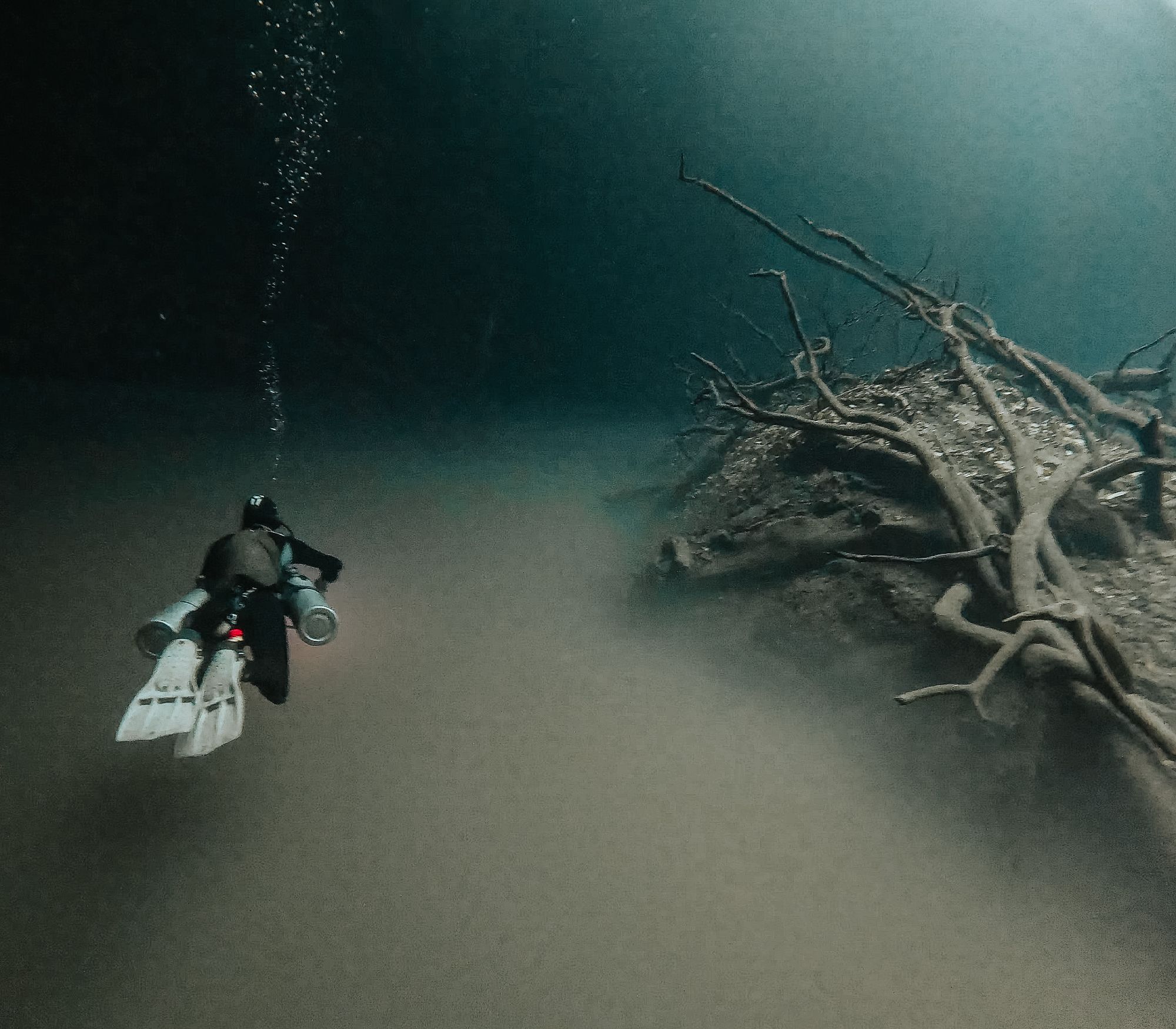
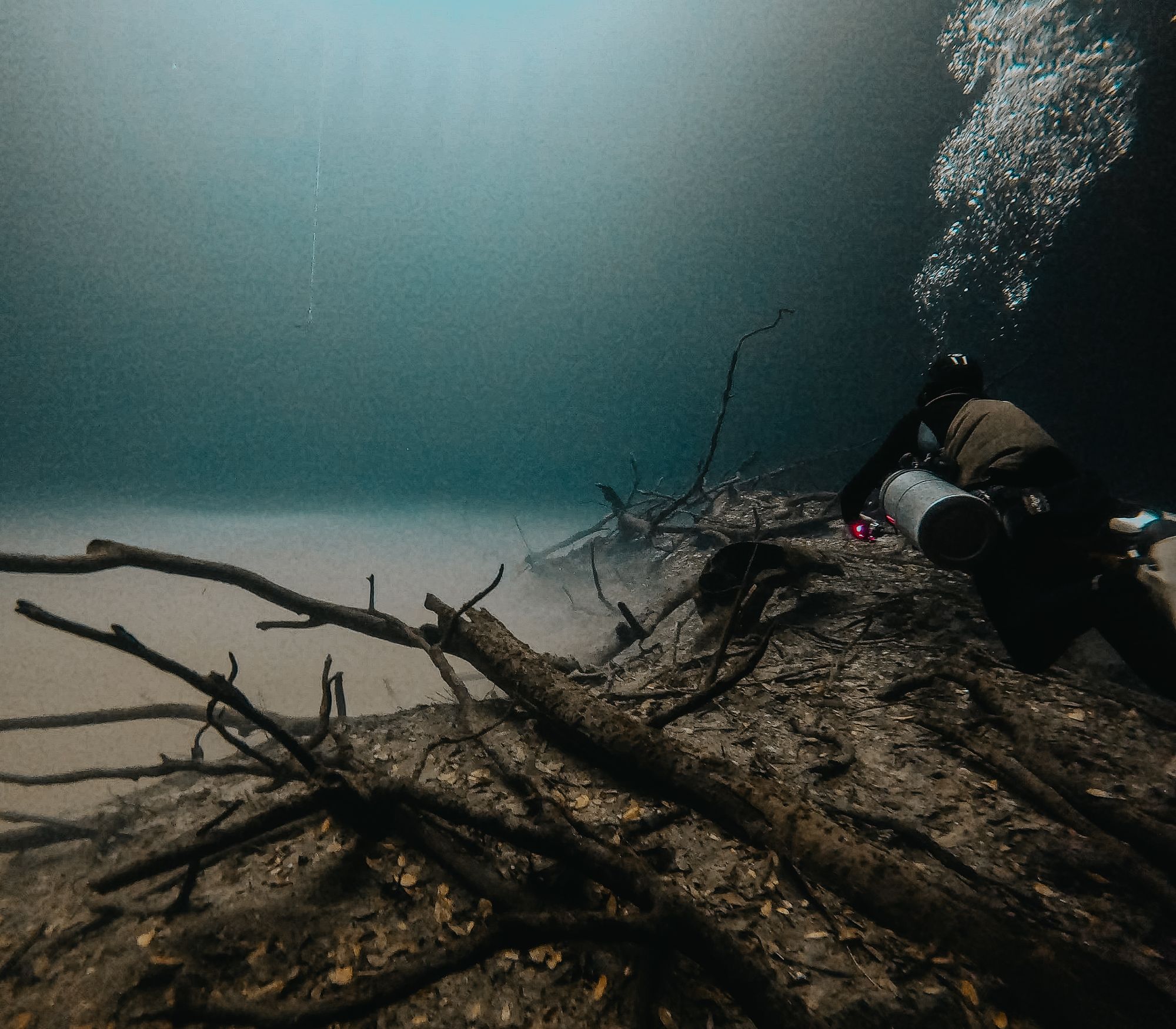
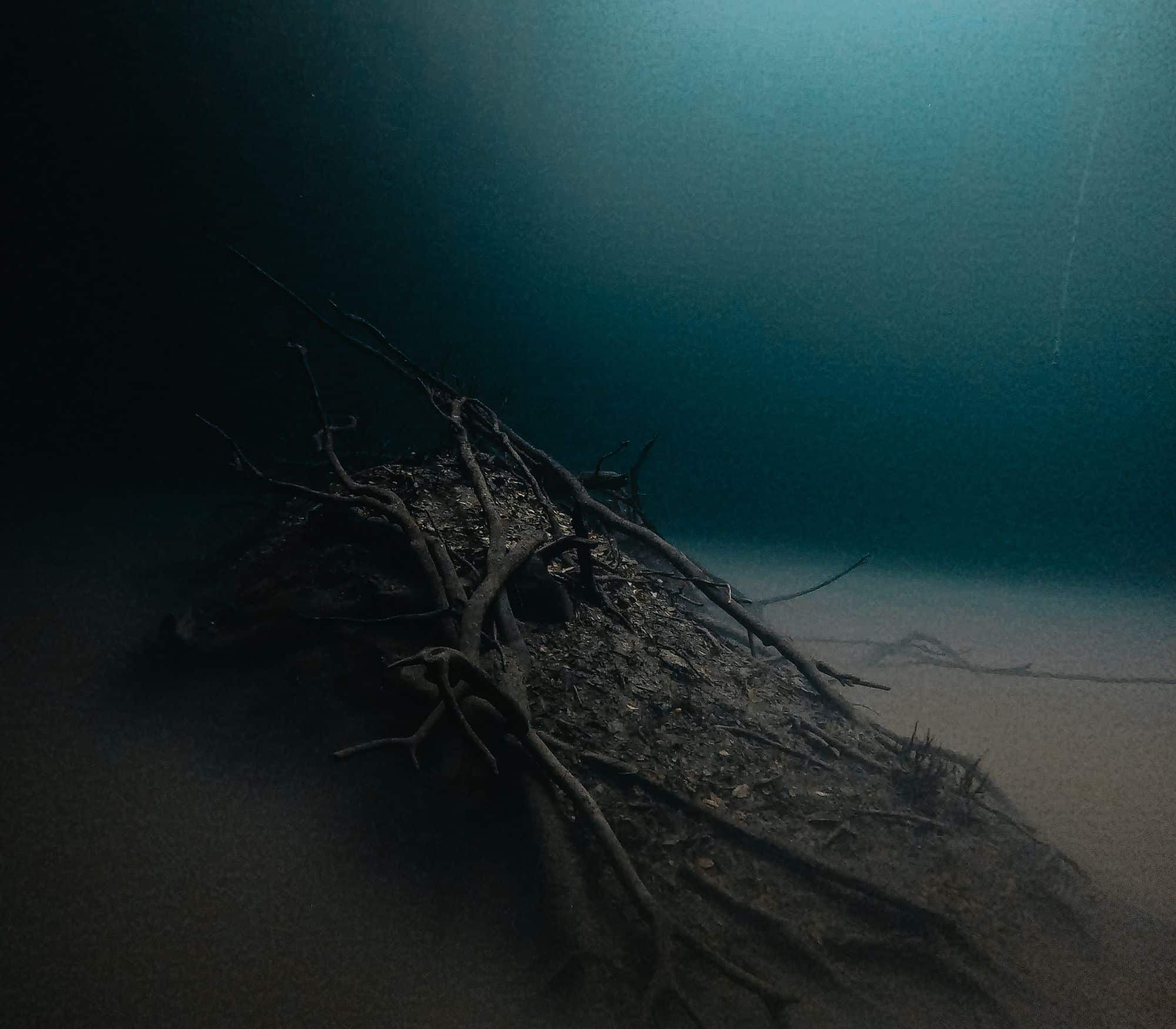
We’re talking visibility so good you’ll feel like you’re floating inside a dream. There’s no current, which makes it feel slow, intentional, almost meditative—like underwater yoga. Instead of colorful fish, you get tree roots dangling like chandeliers and sunbeams slicing through the water like something out of a fantasy film. In Cenote Angelita, there’s even this trippy fog-like layer of hydrogen sulfide that looks like an underwater cloud. Yeah, it’s wild.
It’s Not Just a Dive—It’s a Full-Body Soul Reset
Cenote diving isn’t just something check off your bucketlist—it hits something deeper. You’re literally swimming through ancient earth, suspended in a space that feels untouched by time.
For solo travelers—especially us ladies carving out our own path—there’s something empowering about it. It’s quiet. A little eerie. A lot magical. And it’ll leave you walking away with that “I just did something amazing” glow.

Cenote Angelita: The Dive That Feels Like a Fever Dream
Some dives are pretty. Others are strange in the best possible way. Angelita? It’s both.
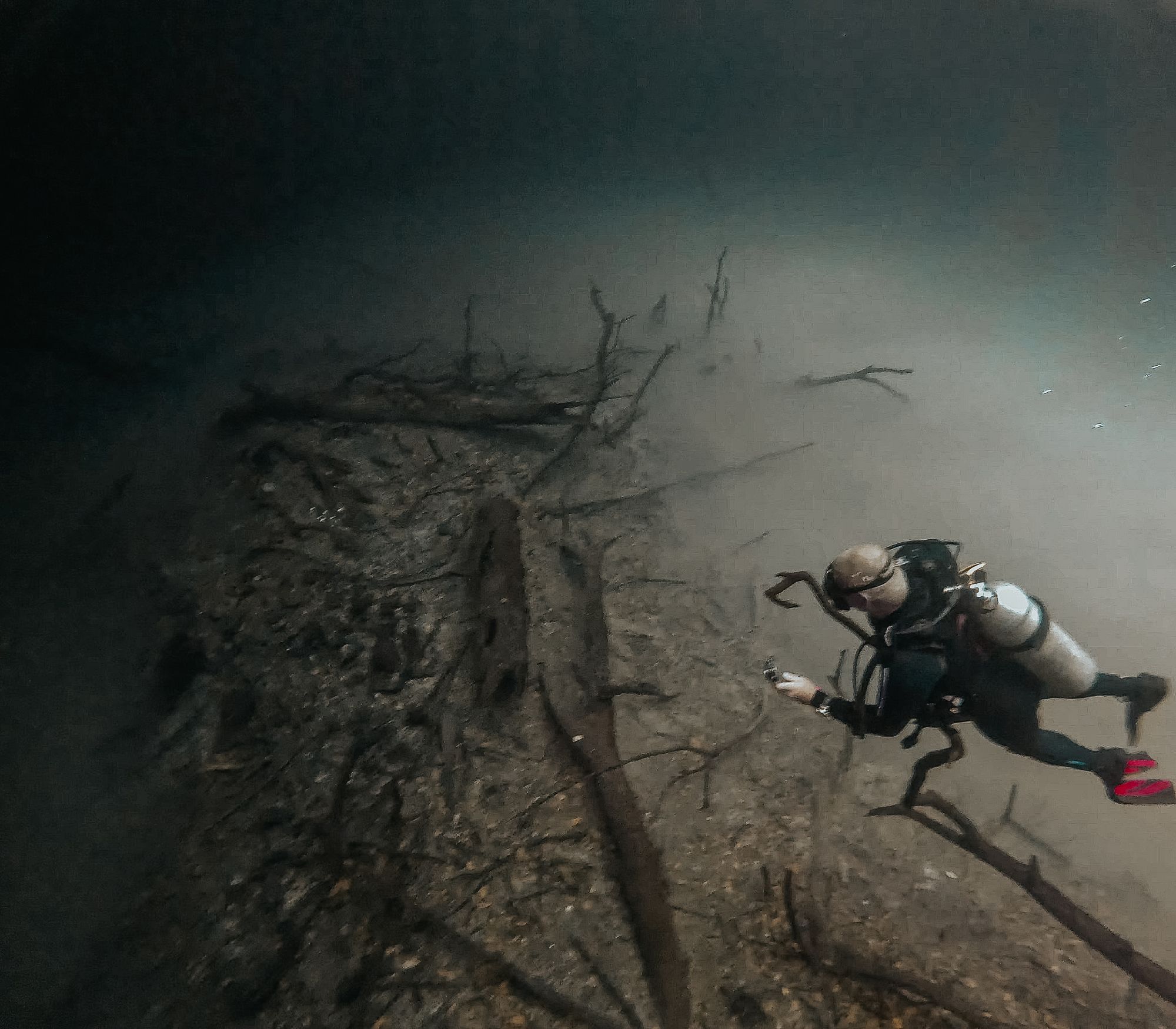
From the surface, it looks like a chill little cenote tucked into the jungle. But drop down about 20 meters and—everything changes. You hit the halocline (where saltwater and freshwater meet), and suddenly it’s like you’re swimming through a heatwave. Then at 30 meters, you reach the cloud. Not a metaphor—a literal cloud. A thick, ghostly layer of hydrogen sulfide spreads across the bottom like fog in a horror movie, with branches poking through like spooky trees.
I hovered there, completely floored. It was like flying over a haunted forest—but underwater.
How It Felt to Be There
I’ve had a lot of solo travel “wow” moments, but this dive? Next level. It was so still down there. I felt like I was trespassing—like this space wasn’t meant for people. And weirdly? That made it feel even more special.
When I surfaced, I wasn’t just tired—I was cracked open. Angelita didn’t just challenge my dive skills, it shifted the way I see the planet. And myself.
Should You Do It?
Angelita is deep—up to 40 meters—so you’ll need your Advanced Open Water certification. The dive isn’t super physical, but it’s definitely heady. You’ll need steady buoyancy to keep calm and trusting your gear.
But if you’re ready to take the leap into something totally mesmerizing and a little eerie, Angelita delivers.
Cenote Carwash: Light, Playful, and Full of Surprises
Prior to diving Angelita, Carwash was the opposite, in that it felt like opening the curtains and letting the sunshine in. It’s right off the road between Tulum and Cobá, and honestly, it doesn’t look like much from the parking lot. But trust me—what’s beneath the surface is next-level.
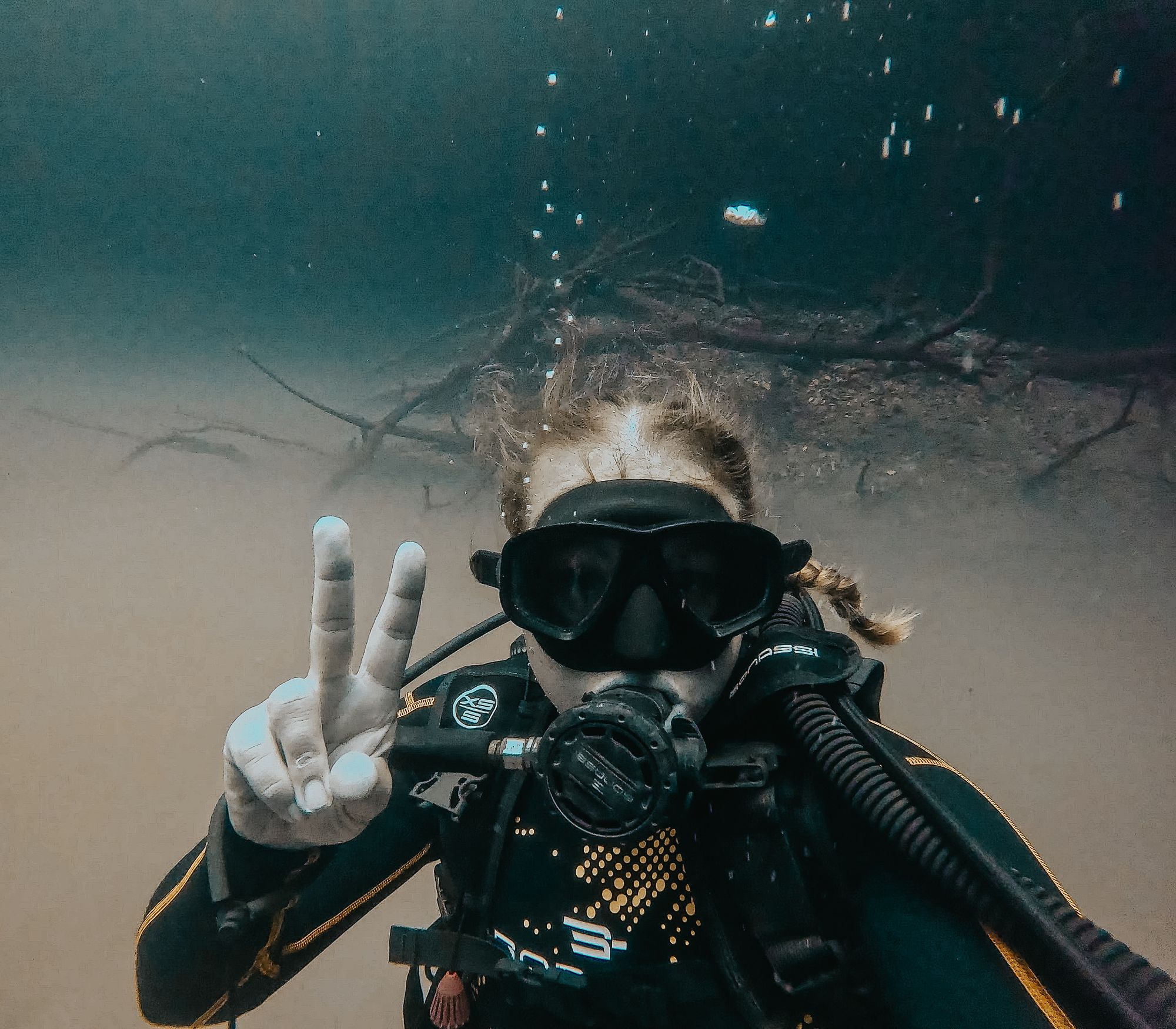
I dropped into crystal-clear water and immediately saw lily pads, tiny fish darting around, sunken logs, and rays of sunshine turning everything emerald green. There’s even a little cavern section you can swim through—just enough to get your heart beating without full-on cave dive intensity.
Underwater Eye Candy
Carwash is a favorite among underwater photographers, and now I totally get why. When the light hits just right and your bubbles catch in the sunbeams—it’s like floating through a dreamscape. Or a Windows screensaver. You get it.
If you’re newer to diving or just curious about cenotes without going too deep, Carwash is a perfect intro. It maxes out around 15–18 meters, and you can see so much without going very far down.
Planning Your Dive: What I Wish I’d Known
Whether you’re diving every chance you get or just thinking about trying it for the first time, here’s the scoop I wish someone had handed me.
Choose Your Dive Shop Like You’d Choose a Travel Buddy
Safety matters. But so does vibe. Look for shops that:
- Keep their gear clean and well-maintained
- Keep groups small
- Have experienced guides who know the cenotes inside and out.
- Who did I go with? I choose The Cenote Guy (10 outta 10!)
And remember—speak up if you’re nervous or unsure. The best dive shops will support you, not pressure you.
Scuba Diving Locations: Where to Get Certified on a Budget

Why Tulum Is a Dream for Solo Travelers
Sure, the cenotes are magic—but Tulum as a whole? It’s the kind of place that feels like it was made for women who want a mix of adventure, chill, and a little soul-searching.
You Can Be Wild or Zen (Or Both)
Snorkel at Playa Paraiso, paddleboard at sunrise, zip through the jungle on an ATV, or roll up to the Cobá ruins on a rented bike.
Need a reset? Do yoga on the beach, book a sound bath under the stars, or try a traditional temazcal sweat lodge. Juice bars are everywhere, and naps in hammocks are totally encouraged.
It’s Easy to Meet People (Or Just Be With Yourself)
Tulum has this energy that makes solo travel feel effortless. I met amazing people at dive shops, smoothie counters, and beach bonfires. English is widely spoken, and I never once felt unsafe or out of place.
Tulum gets it—this idea that solo travel isn’t about being alone. It’s about being connected. To a place, to yourself, to the adventure.
FAQ: Cenote Diving in Tulum
Do I need to be certified to dive in cenotes?
Yes, at a minimum you’ll need an Open Water certification. For deeper or overhead environment dives like Cenote Angelita, Advanced Open Water is typically required. This may also depend on the dive shop so don’t forget to ask!
Is cenote diving safe for solo female travelers?
Absolutely—especially with reputable, safety-conscious dive shops. Many solo female travelers (myself included) have had incredible, safe experiences. Just do your research and trust your gut.
How cold are the cenotes?
They average around 24–26°C (75–79°F). A 3mm or 5mm wetsuit will keep you comfortable for longer dives.
Can I snorkel if I’m not a diver?
Yes! Some cenotes, like Gran Cenote or Dos Ojos, are also amazing for snorkeling. You won’t experience the full cave or depth elements, but the water clarity and formations are still magical.
What’s the best time of year to dive in Tulum?
Diving is possible year-round, but the dry season (November to April) offers the best visibility and weather conditions.
Wrap Up
Cenote diving in Tulum isn’t just a thrilling adventure—it’s a journey into the heart of something ancient and sacred. Whether you’re descending into the surreal depths of Cenote Angelita or floating beneath lily pads in the clear waters of Carwash, these dives offer more than scenery. They offer perspective.
Tulum, with its mix of wild adventure and serene moments, is the kind of place that leaves an imprint. It welcomes you to explore boldly, dive deeper—both literally and spiritually—and return home with stories that feel like secrets whispered by the jungle.
If you’re a fellow solo traveler looking for your next unforgettable moment, trust me: Tulum’s cenotes are calling.