
Surprising Facts About the 14 Most Visited Places in South America (Part 1)
South America is overflowing with breathtaking landscapes, rich cultures, and unforgettable adventures. While most travelers flock to famous destinations like Rio de Janeiro, Patagonia, and Machu Picchu, there’s a whole other side to these iconic places—hidden experiences that make your trip truly one-of-a-kind.
This three-part series dives into unique ways to experience the most visited places in South America. Whether it’s discovering underground tunnels in Buenos Aires, floating in a saltwater lagoon in the Atacama Desert, or hiking to a secret viewpoint in Machu Picchu, these off-the-beaten-path adventures will take your travels to the next level.
So buckle up! Whether you’re planning your next big trip or just dreaming about one, this guide will show you how to go beyond the typical tourist trail and uncover the real magic of South America.
Some of the links on this blog are affiliate links. If you click on one of these links and make a purchase, I may earn a small commission. Please read my disclosure policy if you’d like to know more. Your support helps me continue to provide travel inspiration.
Another great way to support my blog is by liking and subscribing. And I love it when you leave a comment and connect with me on Instagram and Pinterest!
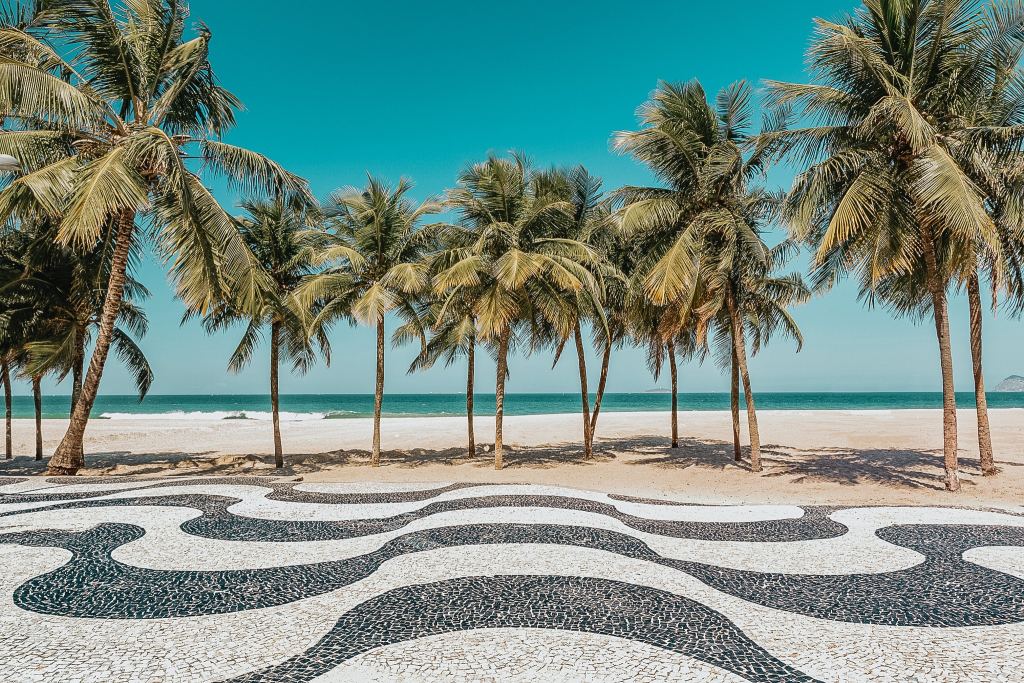
1. Rio de Janeiro, Brazil
When most people think of Rio de Janeiro, they picture the famous beaches of Copacabana and Ipanema, the towering Christ the Redeemer statue, or the energy of Carnival. But beyond these well-known attractions, Rio has a lot more to offer—especially for travelers looking to experience the city in a different way.
Hike to Pedra do Telegrafo for a Gravity-Defying Photo
If you’ve ever seen photos of people hanging off a cliff in Rio, looking like they’re about to fall into the ocean, chances are they were taken at Pedra do Telegrafo. Located about an hour outside the city, this hiking spot offers one of the most thrilling (and Instagram-worthy) views in Brazil. The secret? The “cliff” is actually a rock ledge just a few feet off the ground, making it a safe but adrenaline-pumping photo opportunity. The hike itself takes about 40 minutes and rewards you with panoramic views of Rio’s coastline.
Explore Ilha da Gigóia—Rio’s Hidden Island Neighborhood
Tucked away in the Barra da Tijuca district, Ilha da Gigóia feels like a world apart from the bustling streets of Rio. This small island, accessible only by boat, has no cars and is home to colorful houses, waterfront restaurants, and a laid-back atmosphere that contrasts sharply with the city’s high-energy vibe. It’s a perfect spot for seafood lovers, as many restaurants here serve freshly caught fish with incredible lagoon views. If you’re looking for a unique and peaceful escape within Rio, this is it.
Watch the Sunset from Mureta da Urca with a Cold Beer
For a local experience that doesn’t require a tour or a big budget, head to Mureta da Urca in the late afternoon. This stone wall along Guanabara Bay is a favorite gathering spot for locals who come to enjoy a cold beer, street food, and one of the best sunset views in the city. It’s a simple yet unforgettable way to soak in the atmosphere of Rio while mingling with residents and enjoying the scenery.

2. Patagonia (Argentina & Chile)
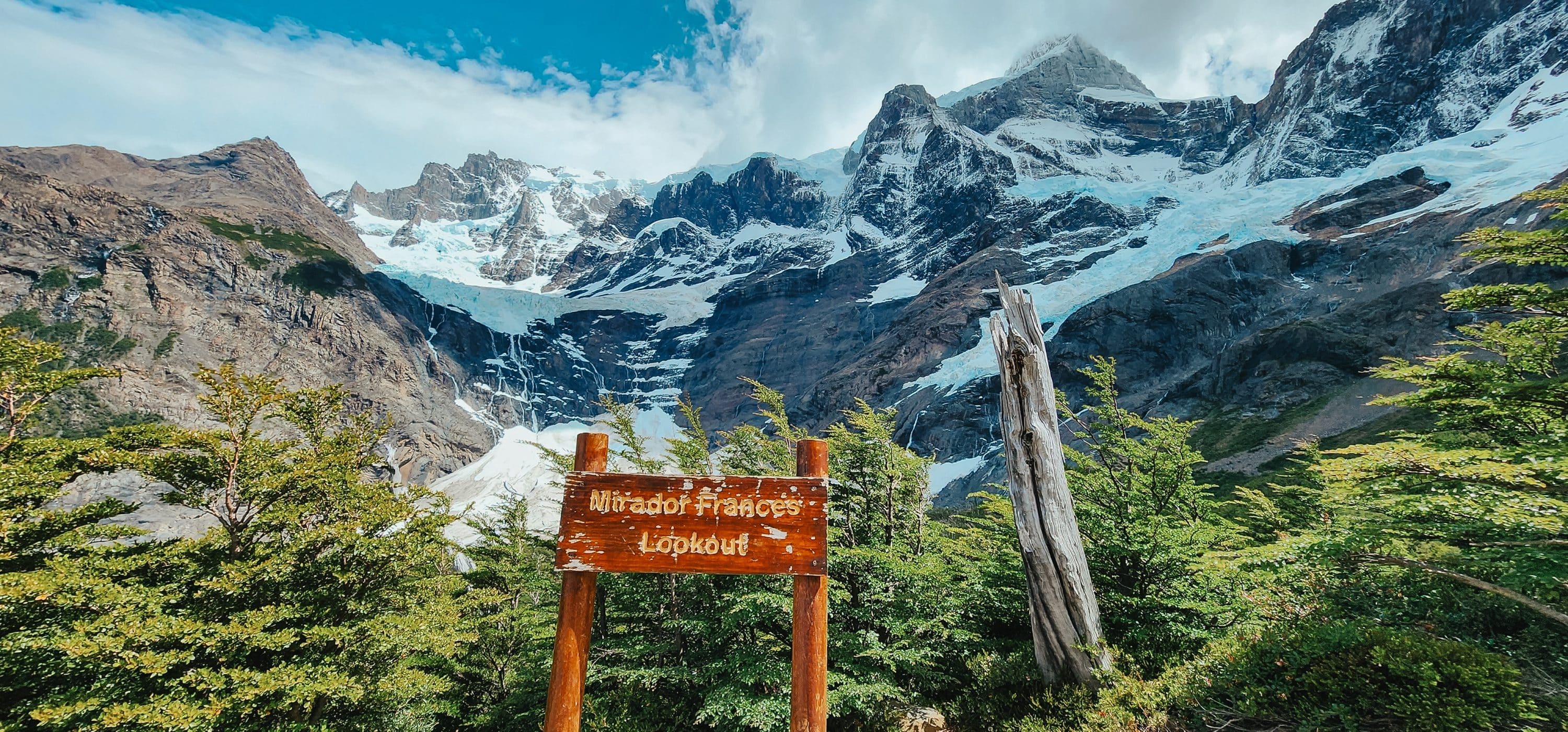
Patagonia is often associated with its dramatic landscapes—towering peaks, massive glaciers, and untouched wilderness. While famous hikes like the W Trek and visits to Perito Moreno Glacier are popular, there are plenty of lesser-known experiences that make this region even more special.
Complete Itinerary for Patagonia: The Guide through Chile
Kayak Among Icebergs at Grey Glacier (Chile)
For a front-row seat to Patagonia’s icy landscapes, swap a traditional boat tour for a kayaking adventure at Grey Glacier in Torres del Paine National Park. Paddling through the glacier-fed waters of Lago Grey, you’ll weave between floating icebergs while taking in the towering ice walls around you. The experience is both peaceful and humbling, offering a unique perspective on one of the most impressive glaciers in South America.
Patagonia Hiking: Top Trails Beyond the Famous W Trek
Visit the Marble Caves on General Carrera Lake (Chile)
Tucked away on the Chilean side of Patagonia, the Marble Caves (Cuevas de Mármol) are a hidden gem worth seeking out. These swirling blue-and-white caves, carved by thousands of years of water erosion, create an almost surreal sight as the sunlight reflects off the turquoise waters of General Carrera Lake. Accessible only by boat or kayak, this natural wonder feels like a secret tucked away in one of the world’s most remote regions.
Hike to Laguna de los Tres for a Close-Up View of Mount Fitz Roy (Argentina)
While Torres del Paine is Patagonia’s most famous trekking spot, the Laguna de los Tres hike in Argentina offers one of the most breathtaking views in the region. The trail, starting from El Chaltén, takes you through forests, rivers, and rocky terrain before revealing an up-close, mirror-like reflection of Mount Fitz Roy—the jagged peak that inspired the Patagonia brand logo. It’s a challenging trek, but the reward at the end makes every step worth it.
Hiking the W Trek: Personal Tips for A Great Hike
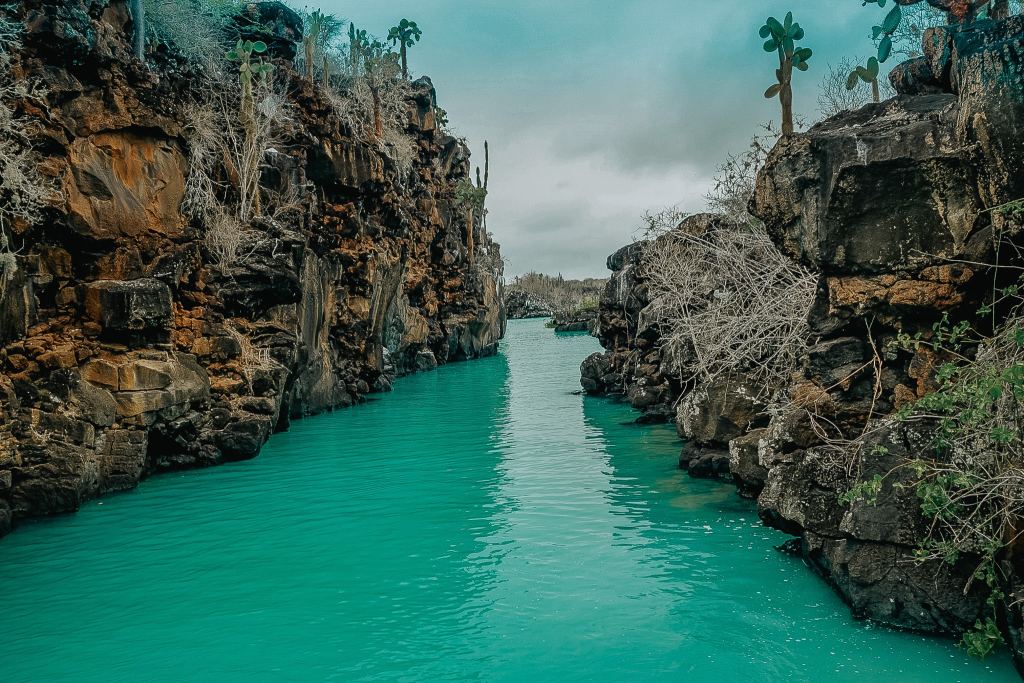
3. Galápagos Islands, Ecuador
The Galápagos Islands are famous for their wildlife, pristine landscapes, and scientific significance. While snorkeling with sea lions or visiting the Charles Darwin Research Station are popular activities, there are plenty of lesser-known experiences that make this remote paradise even more special.
Snorkel with Hammerhead Sharks at Darwin and Wolf Islands
For adventurous travelers, diving or snorkeling at Darwin and Wolf Islands offers the chance to swim alongside schools of hammerhead sharks—a rare experience found in only a few places worldwide. These remote islands, accessible only by liveaboard boats, also attract whale sharks, manta rays, and sea turtles, making them one of the most thrilling underwater destinations on the planet.
Walk Through Lava Tunnels on Santa Cruz Island
The Galápagos Islands were formed by volcanic activity, and you can witness this geological history up close by exploring the lava tunnels of Santa Cruz Island. These underground passageways, created by cooling lava flows, stretch for miles beneath the island’s surface. Walking through these tunnels feels like stepping into another world, offering a fascinating glimpse into the forces that shaped the islands.
Spot Blue-Footed Boobies and Frigatebirds on North Seymour Island
While giant tortoises and marine iguanas get much of the attention, North Seymour Island is a must-visit for bird lovers. Here, you can see blue-footed boobies performing their quirky mating dance and frigatebirds puffing up their bright red throat pouches to attract a mate. This small island is also home to land iguanas, sea lions, and stunning coastal views—making it an excellent stop for a day trip.
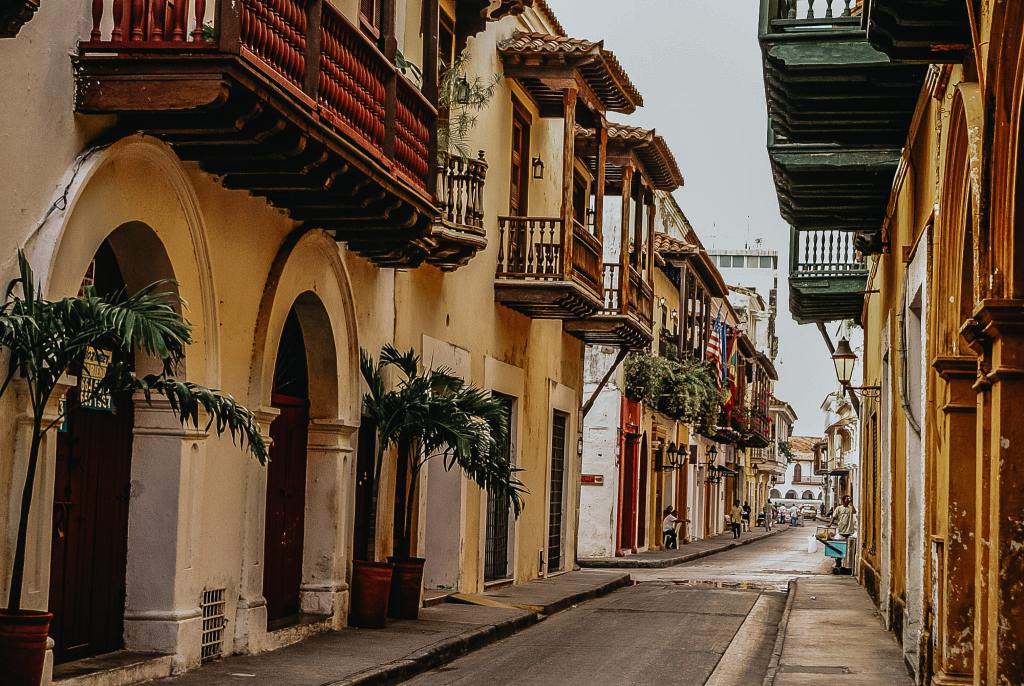
4. Cartagena, Colombia
Cartagena is known for its colonial charm, Caribbean coastline, and lively culture. While many visitors explore the Old Town and relax on nearby beaches, there are plenty of off-the-beaten-path experiences that make this city even more exciting.
Explore the Underground Tunnels of Castillo San Felipe de Barajas
While most travelers visit Castillo San Felipe de Barajas, few take the time to explore its underground tunnel system. Built in the 17th century, these hidden passageways were designed for defense, allowing soldiers to move undetected beneath the fortress. Walking through these dimly lit tunnels offers a fascinating glimpse into Cartagena’s military history and a different perspective on the city’s most famous landmark.
Visit Bazurto Market for a True Local Experience
For an authentic taste of Cartagena, skip the touristy restaurants and head to Bazurto Market. This bustling market is packed with fresh seafood, exotic fruits, and traditional Colombian street food. It’s loud, chaotic, and full of energy—making it the perfect spot to experience local life beyond the Old Town. Try a bowl of sancocho (hearty stew) or grab a fresh fruit juice from one of the many vendors.
Take a Mud Bath in Totumo Volcano
Just outside Cartagena, Totumo Volcano offers one of the most unusual spa experiences in Colombia. Instead of lava, this small volcano is filled with thick, mineral-rich mud, which locals claim has therapeutic benefits. Visitors can climb to the top and sink into the warm mud, floating effortlessly due to its density. Afterward, locals at the nearby lagoon help rinse off the mud, completing the experience with a refreshing dip in the water.

5. Salar de Uyuni, Bolivia
Salar de Uyuni is more than just the world’s largest salt flat—it’s a surreal, otherworldly destination that offers experiences unlike anywhere else on Earth. Beyond the famous mirror effect, here are three unforgettable things to do in this stunning landscape.
Stay in a Hotel Made Entirely of Salt
For a truly unique overnight stay, book a room at one of Uyuni’s salt hotels, where everything—from the walls to the furniture—is made of compacted salt. The Palacio de Sal is the most famous, offering an incredible experience right on the edge of the flats. Waking up to an endless white horizon is something you won’t forget.
Visit the Train Cemetery (Cementerio de Trenes)
Just outside the town of Uyuni lies an eerie collection of abandoned, rusting locomotives—remnants of Bolivia’s 19th-century railway boom. The Train Cemetery is a striking contrast to the surrounding salt flats and makes for incredible photos. Climbing on the old trains and exploring the decaying remains feels like stepping into a post-apocalyptic movie scene.
Watch the Sunrise from Incahuasi Island
In the middle of the vast salt desert, Incahuasi Island rises unexpectedly, covered in giant cacti that have stood for centuries. Arriving before dawn allows you to watch the sunrise over the salt flats, with the changing colors reflecting off the landscape. The silence and vastness make this an almost meditative experience—one of the most peaceful moments you’ll find in Bolivia.
Top 31 Underrated Things to do in Bolivia
Frequently Asked Question (FAQ)
1. Are these experiences suitable for all travelers, or do they require special skills?
Most of these experiences can be enjoyed by travelers of all skill levels, though some—like hiking to Laguna de los Tres or snorkeling with hammerhead sharks—require a moderate to high level of fitness or experience. If you’re unsure, check with local guides or tour operators who can recommend options based on your comfort level.
2. What is the best time of year to visit these destinations?
The best time varies depending on the location. For example, Rio de Janeiro is great year-round, but Carnival season (February/March) offers a unique cultural experience. Patagonia is best from November to March when hiking conditions are ideal, while Salar de Uyuni’s mirror effect is most visible from January to April. Researching the best season for your chosen activities will ensure you make the most of your trip.
3. Are these experiences budget-friendly, or do they require a big travel budget?
Many of these experiences can be done on a range of budgets. Activities like hiking to Pedra do Telegrafo or watching the sunset at Mureta da Urca in Rio are free, while others—like staying in a salt hotel in Uyuni or kayaking in Patagonia—may require a higher budget. However, with careful planning, budget-conscious travelers can still enjoy incredible experiences in each destination.
4. How can I ensure a responsible and eco-friendly experience while visiting these places?
Traveling responsibly means respecting local communities, minimizing waste, and choosing eco-friendly tour operators. For instance, when visiting the Galápagos Islands, opt for sustainable tourism companies that follow conservation guidelines. In places like the Amazon Rainforest, choose lodges and tours that support local communities and protect wildlife. Always follow Leave No Trace principles, especially in fragile ecosystems.
5. Do I need to book tours in advance, or can I plan as I go?
Some activities, like hiking Huayna Picchu in Machu Picchu or visiting restricted areas in the Galápagos Islands, require advance permits or bookings due to limited availability. In contrast, experiences like visiting local markets or exploring hidden neighborhoods in cities can often be done spontaneously. If you have a must-do activity on your list, it’s best to check availability ahead of time.

Wrap Up
Exploring South America’s most famous destinations doesn’t mean sticking to the usual itinerary. Stepping off the beaten path leads to some of the most incredible travel moments—ones that can’t be captured in a postcard or guidebook. Whether it’s uncovering hidden trails, experiencing local traditions, or seeing a familiar place in a new light, these unique adventures make all the difference.
And we’re just getting started. In Part 2, we’ll dive into even more destinations, revealing unexpected ways to experience South America beyond the typical tourist route. So, if you’re ready to keep exploring, let’s continue the journey!


2 Comments