
Hiking the W Trek: Personal Tips For A Great Hike

The W Trek in Torres del Paine, located in southern Patagonia, is a top destination for many. In my opinion, this famous trek offers some of the most incredible views and landscapes, attracting adventurers from all over the world, including myself.
Choosing to hike the W Trek wasn’t just about crossing off another item on my bucket list. It was an opportunity for me challenge myself on a multi-day trek (going at it alone). So keep reading to see how I managed to plan and execute the full journey.
Some of the links on this blog are affiliate links. If you click on one of these links and make a purchase, I may earn a small commission. Please read my disclosure policy if you’d like to know more. Your support helps me continue to provide travel inspiration.
Another great way to support my blog is by liking and subscribing. And I love it when you leave a comment and connect with me on Instagram and Pinterest!
My Journey on the W Trek
Not to get too sentimental on you but doing the W Trek was more than just another hike for me. It became a life-changing experience where I discovered new aspects of myself and developed resilience in the face of challenges. I mean what choice do you have when you go solo?
Walking along the trails, I welcomed the physical demands and told myself not to rush. Not only so that could fully enjoy it, but also, I because I didn’t want to reck my body in the first day or so. In Tanzania they call this Pole Pole (slowly slowly) which is a concept I definitely adopted on this hike as well. This trek pushed my boundaries and reshaped my perspective on hiking and my own strengths and limitations.

The Beauty of Torres del Paine National Park
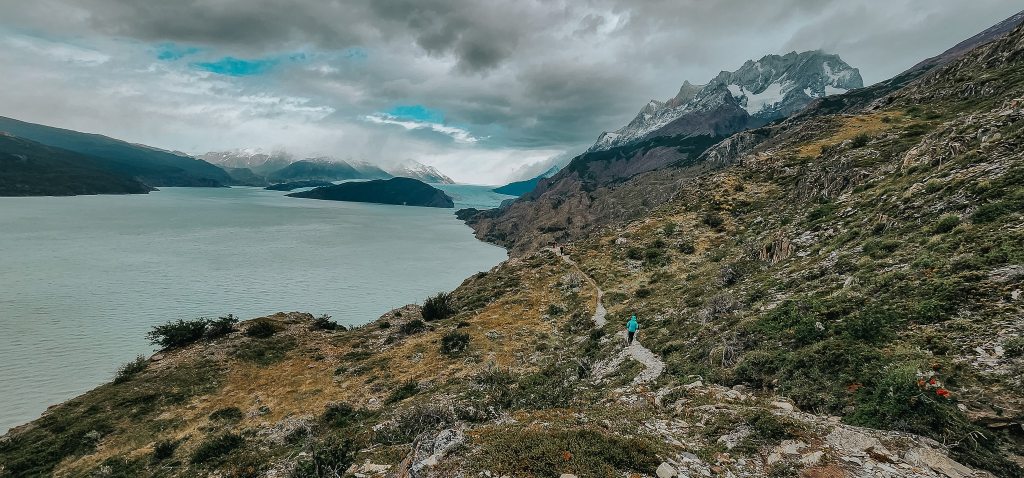
Torres del Paine National Park is a remarkable park and houses some of the most beautiful landscapes. With those towering granite peaks, clear blue lakes, and vast glaciers, it’s no surprise that this park draws tons of adventure travelers from around the world. Every view here seems unreal, with the jagged spires of the Torres standing tall against the sky like ancient guardians. Just keep in mind that there is a fee to enter the park.
Preparing for the W Trek: A Complete Guide
Starting the W Trek in Patagonia is no small feat, and having the right gear can make all the difference. The rough terrain and unpredictable weather of Torres del Paine demand reliable equipment. Here’s a practical guide to ensure you’re well-prepared:
Essential Gear for Patagonia
- Footwear: A pair of sturdy, waterproof hiking boots is essential. Brands like Salomon and La Sportiva offer excellent options that provide both comfort and durability. However, my personal favorite is Vivo and I wore these non stop for three months.
- Backpack: Choose a backpack with a capacity of 40-60 liters. Look for models from Osprey or Deuter, which are known for their practical designs and weight distribution.
- Clothing Layers: The key to staying comfortable is layering. Pack moisture-wicking base layers, an insulating mid-layer, and a waterproof shell. Patagonia’s own clothing line is a solid choice for these.

The Importance of Planning
To have a successful trek, preparation is essential:
- Permits: Ensure you obtain any necessary permits ahead of time. These can be arranged through Chilean national parks or tour operators. You can buy those here.
- Trail Conditions: Research current trail conditions before heading out. Websites like AllTrails provide recent updates from fellow hikers.
Camping vs. Refugios
Deciding between camping or staying in refugios depends on your comfort level and budget:
- Camping Equipment: If you choose to camp, get a quality tent (consider brands like MSR or Big Agnes) and a warm sleeping bag suitable for cold nights. I decided to rent my camping equipment since I travel light anyway. You can rent equipment with Rental Natales.
- Refugios: Staying in refugios offers more comfort with meals provided, but it costs more. Make reservations well in advance as they fill up quickly during peak season.
If you take anything away from this remember to book your lodging/camp sites EARLY this park is super popular and they see out fast! You can reserve them here.
Also if you looking for a more extensive prep guide check out The W Trek Patagonia: Guide on Prep and Getting There

Choosing Your Trekking Style: Guided Tours vs. Self-Guided Treks
Deciding between guided tours and self-guided treks is a key choice when planning your adventure in Patagonia. Both options offer unique experiences, and having tried both during my W Trek journey, I can share some insights.
Pros and Cons
Guided Tours
- Pros: Get expert knowledge of the terrain, cultural insights, and logistical support like campsite reservations.
- Cons: Less flexibility to change plans, potential for larger group sizes which might affect the sense of solitude.
Self-Guided Treks
- Pros: Freedom to explore at your own pace, opportunity for personal growth through self-reliance.
- Cons: Requires more detailed planning and preparation, higher responsibility for safety and navigation.
My Personal Experience
During my Chile trekking adventure, I chose a self-guided trek. The solitude and the challenge of navigating Torres del Paine on my own were too appealing to resist plus perfect for my budget travelers. While camping in Patagonia, there was a deep satisfaction in setting up camp after a long day. At all locations they offer showers, concessions, and even restaurants at a few spots. Even though these places accept credit cards, I would recommend bring cash as well.

Day-by-Day Itinerary of the W Trek: Highlights and Challenges Along the Way
Taking on the W Trek is just one option in the park. There is also an 8 day trek called the O Trek. However, here is a day by day or the W (keep in mind you can start this in either direction). I choose West to East.
Day 1: Grey Glacier Views
The trek starts with Grey Glacier, where this massive icy blue glacier contrasts against Patagonian skies. Witnessing this massive glacier up close is quite amazing and there are also even options to hike the glacier itself. You will just have to keep in mind this will take more time and will extend your hiking time if you plan to keep to the 4 days. Getting here is not challenging but during my visit the winds were EXTREME. Walking sticks were helpful here just to keep me upright.
Day 2: Exploring the French Valley
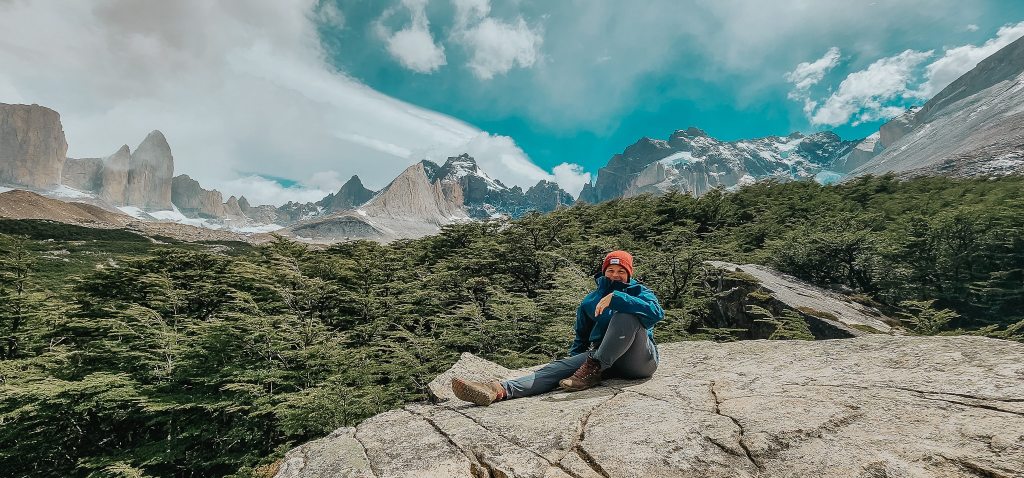
The French Valley is another highlight, with its dramatic landscapes offering an ever-changing spectacle of wind-sculpted mountains and hanging glaciers. As I trekked deeper into this area, I was blown away by the towering rock walls. This day was a long and wet one as the I experienced a downpour in the middle of the day. However, it ended on a great note after taking an additional trek up to see Britanico (a great view point).
Day 3: Navigating to Los Cuernos
This segment offers an easier stretch as the trail follows bright turquoise lakes and passes beneath sharp peaks. Each step brings you closer to Los Cuernos, known for its horn-like summits. Two things I noted on this leg of the trek:
1. Even though it was an easy day I was physically exhausted so the trek started to get hard for me here.
2. When you are hiking towards Los Cuernos you will notice a group of building down below (to your right). This is not the Los Cuernos! I had a mental moment here thinking that was the camp site and couldn’t figure out why I was walking away from it. Look, some of us get a little irrational when tired (insert my name here)
Day 4: The Base of the Towers (Mirador Base Torres)
The final leg ends with an ascent to Mirador Base Torres, a tough yet rewarding climb. The path winds through forests and past glacial streams, leading to the iconic granite towers that rise into the sky. One option is to get up super early and catch it as sunrise. I departed around 2am and had a little time to spare before seeing the sun shine off the Torres.

Tips for Hiking the W Circuit: Making the Most of Your Patagonia Adventure
Going on the W Circuit requires careful planning to ensure you fully experience the Patagonian magic. Here are some essential tips to enhance your trekking experience:
1. Best Time to Hike in Patagonia
From personal experience, December through March stands out as prime time. These months offer warmer temperatures and longer daylight hours, although keep in mind this is also peak season, meaning trails can get crowded with fellow adventurers.
2. Weather Vigilance is Key
Patagonian weather is famously unpredictable. Morning sun can swiftly give way to afternoon gales or showers. Before lacing up your boots each day, check reliable weather forecasts. Apps like Windy or MeteoBlue provide detailed insights into upcoming conditions.
3. Layer Up
The secret to comfort lies in layers. Pack adaptable clothing that can adjust as temperatures fluctuate throughout the day. Getting good-quality windbreaker and waterproof gear can make all the difference when facing unexpected weather shifts.
4. Crowd Navigation
If seeking solitude in nature, aim for early morning starts. This not only allows you more time on the trail but also offers more peaceful moments along the trail.
Why Choose to Hike the W Trek?
- The Scenery: The trek takes you through some of the most beautiful landscapes on the planet, with dramatic mountains, blue lakes, and stretching glaciers.
- Adventure: Pushing your limits and conquering challenging terrains can be incredibly rewarding, both physically and mentally.
- Connection with Nature: Spending days surrounded by untouched wilderness allows for a deeper appreciation of our planet’s natural wonders.
Whether you’re an experienced hiker or someone looking to step out of their comfort zone, the W Trek offers something for everyone.
Ready to start planning your own W Trek adventure? Share your questions or hiking stories in the comments below. Whether you’re seeking advice on gear, curious about the W Trek map, or eager to exchange tales from the trails, let’s connect and motivate each other to explore this magnificent part of the world.
Is hiking your thing? I’ve got loads more where that came from!
Patagonia Hiking: Top Trails Beyond the Famous W Trek
Appalachian Trails: Top Rated Day Hikes
The Magic of Guatemala: Easy Guide for Travellers (Volcano Hiking)
Complete Itinerary for Patagonia: The Guide through Chile
6 of the World’s Best Hiking Trails – Tiny Backpack Adventures
FAQs (Frequently Asked Questions)
What is the W Trek and why is it significant in Patagonia?
The W Trek is a notable hiking route in Torres del Paine National Park, known for its remarkable landscapes and unique geographical features. It offers hikers a chance to experience the extraordinary beauty of Patagonia, making it a must-visit destination for adventurers.
What essential gear do I need for hiking the W Trek?
Essential gear for hiking the W Trek includes sturdy boots, a good backpack, appropriate clothing layers for varying weather conditions, and camping equipment if you choose to camp. Brand preferences vary by individual, but it’s important to invest in quality gear to ensure comfort and safety during your trek.
Should I choose a guided tour or go self-guided on the W Trek?
Choosing between a guided tour and a self-guided trek depends on your preferences. Guided tours offer safety and support, while self-guided treks provide solitude and independence. Consider what kind of experience you’re looking for when making your decision.
What can I expect from the day-by-day itinerary of the W Trek?
The W Trek itinerary includes daily segments that showcase key sites such as the Mirador Base Torres, French Valley, and Grey Glacier. Each day presents its own challenges and highlights, allowing hikers to experience both the beauty of the landscapes and their personal reflections along the way.
When is the best time to hike the W Circuit?
The best time to hike the W Circuit is generally from late spring to early autumn (November to April), when weather conditions are more favorable. It’s important to check weather forecasts regularly as conditions can change rapidly in this region.
How can I prepare for my own adventure on the W Trek?
Preparing for your adventure on the W Trek involves thorough planning, including obtaining necessary permits, understanding trail conditions, and selecting suitable gear. Take on the challenge of this trek by researching your options and considering what unique experiences you hope to gain from your journey through Torres del Paine National Park.

Wrap Up
Looking back on my hike of the W Trek in Torres del Paine National Park, it becomes clear that this journey represents more than just a physical adventure. It’s a life-changing experience that can challenge hikers both mentally and physically while rewarding them with some of the most beautiful landscapes on Earth. Whether you choose to embark on a guided tour or venture out independently, the W Trek offers an unforgettable opportunity to connect with nature, push your limits, and create lasting memories in one of Patagonia’s most precious places. By following this walkthrough and preparing well, you’ll be ready to tackle this amazing trek and find your own path through this untouched wilderness. Remember, every step on the W Trek is not just a step through Patagonia, but a step toward personal growth and adventure.