
Patagonia Hiking: Top Trails Beyond the Famous W Trek
Patagonia has been pegged as one of my favorite destinations, and for good reason. It is a dream destination for hikers and adventurers, with options for rock climbing, camping, kayaking, and ice trekking. While the W Trek in Torres del Paine National Park is well-known for its breathtaking views and easy accessibility, there are even more hiking options available in this region.
By venturing off the main path, you can discover some of the untouched locations that are often overlooked by tourists. These lesser-known routes offer a peaceful and quiet option, away from the crowds. So put on your hiking boots and get ready to explore Patagonia’s Best Hiking Trails Beyond the W Trek.
Some of the links on this blog are affiliate links. If you click on one of these links and make a purchase, I may earn a small commission. Please read my disclosure policy if you’d like to know more. Your support helps me continue to provide travel inspiration.
Another great way to support my blog is by liking and subscribing. And I love it when you leave a comment and connect with me on Instagram and Pinterest!
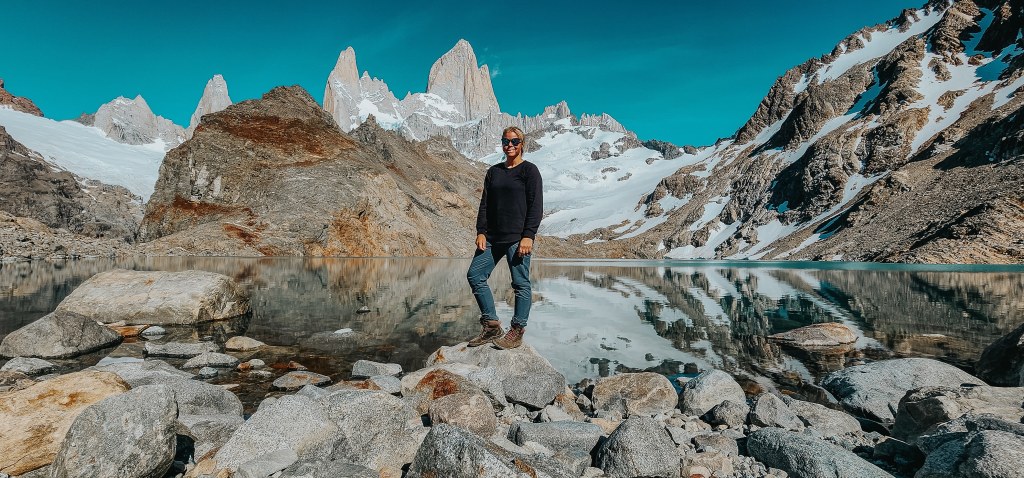
Top Hiking Trails Beyond the W Trek
1. Cerro Castillo Circuit: A Glimpse into Glacial Landscapes and Wildlife Sights
The Cerro Castillo Circuit is a trek that promises both a challenge with a great view to boot. It offers an opportunity to explore glacial landscapes and encounter some amazing wildlife along the way.
Overview of the Trek
- Distance: Approximately 27 miles / 43 kilometers
- Duration: Typically completed in four days
- Terrain: Moderately difficult with steep ascents and descents requiring good fitness levels and trekking experience
This trek demands a good level of physical fitness due to its challenging sections. However, those who undertake it will find the effort rewarding with stunning natural vistas.
Accessing the Trailhead from Puerto Natales
To start your adventure on the Cerro Castillo Circuit, head to Villa Cerro Castillo, accessible via public buses from Puerto Natales. The route takes you along Chile’s renowned Carretera Austral, offering mesmerizing views. It’s advisable to verify bus schedules as they can vary by season.
For more flexibility, renting a car provides freedom to explore the surrounding areas at your leisure, savoring the journey to the trailhead.
Possible Camping Options
Camping is essential for this trek due to its remote nature. Several designated camping sites are available along the circuit, providing basic amenities. These sites are strategically placed to align with daily hiking distances. Ensure you carry all necessary camping gear and prepare for diverse weather conditions while enjoying this spectacular route.
I also have a full guide on Patagonia from the Chillian side you have to check out
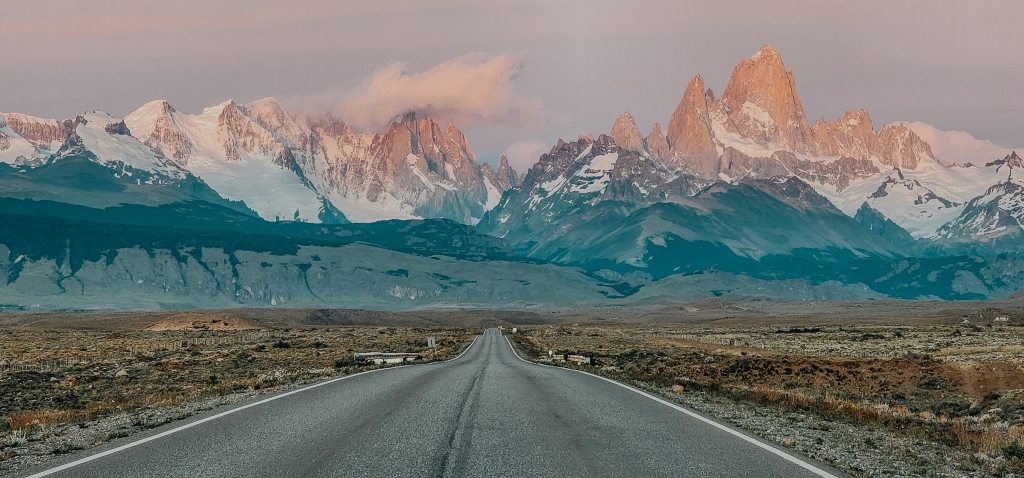
2. Dientes de Navarino Trek: Southernmost Treks with a Challenge
The Dientes de Navarino Trek is an adventure like no other, located on the remote Isla Navarino. It is one of the southernmost treks in the world, offering a unique experience for outdoor enthusiasts.
Overview of the Trek
- Distance: Over 33 miles / 53.3 kilometers
- Duration: Typically completed in four to five days
- Terrain: Challenging with rocky paths and high passes
This trek is not for the faint-hearted. It requires both stamina and skill to navigate its demanding terrain. But for those who are up for the challenge, the rewards are worth it.
Accessing the Trailhead
To begin your journey on the Dientes de Navarino Trek, you must first reach Puerto Williams, which serves as a gateway to Isla Navarino. The most common way to get there is by taking a flight from Punta Arenas, Chile. Once in Puerto Williams, you can either walk or take a short taxi ride to the trailhead, located near the town’s outskirts.
Possible Camping Options
While undertaking this trek, camping is the primary accommodation choice due to its remote nature. There are several established camping sites along the route where trekkers can set up tents. These sites typically offer basic facilities and are strategically positioned at intervals that match daily hiking segments. It’s essential to carry all necessary camping equipment and be prepared for varying weather conditions while camping on this rugged terrain.

3. El Chaltén and Mount Fitz Roy Trails: Day Hikes with Stunning Viewpoints
Overview of the Trek
- Distance: Various trails ranging from 6 to 15 miles / 10 to 25 kilometers
- Duration: Day hikes typically range from 3 to 8 hours
- Terrain: Moderate with well-marked paths, some steep sections
The El Chaltén and Mount Fitz Roy area offers a variety of day hikes featuring breathtaking vistas and diverse landscapes. These trails cater to hikers looking for both leisurely walks and more challenging routes, providing opportunities to admire the iconic peaks and pristine nature that Patagonia is famous for.
Accessing the Trailhead
El Chaltén, known as Argentina’s trekking capital, serves as the base for exploring these trails. Accessible by bus or car from El Calafate, the town is nestled in Los Glaciares National Park. Most trailheads are conveniently located near the town center or a short drive away, making it easy for visitors to start their hiking adventures.
Possible Camping Options
While these are primarily day hikes, there are camping options available for those who want to extend their stay or explore multiple trails over several days. Campgrounds such as Poincenot and Capri offer basic facilities and are located along popular trails, providing picturesque spots to pitch a tent under the stars. Be sure to adhere to park regulations and carry all necessary equipment for an enjoyable camping experience.
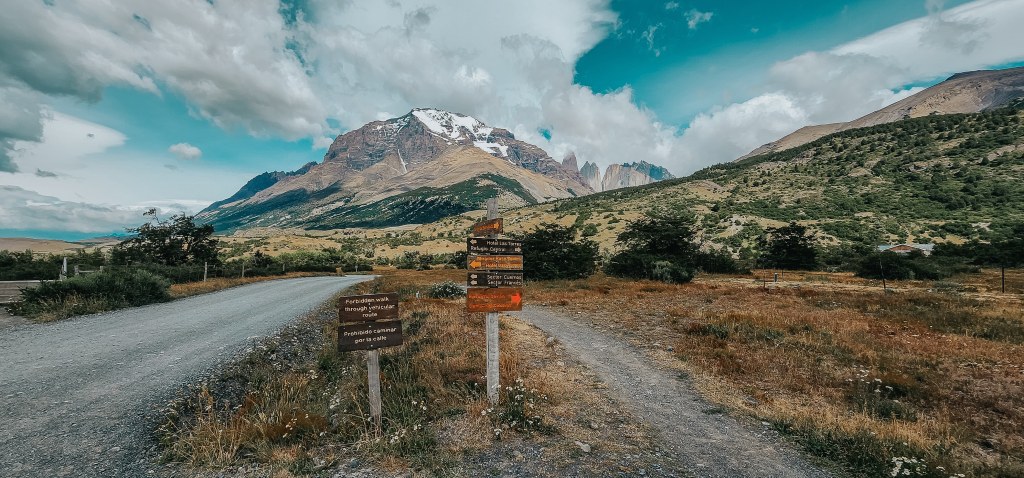
4. The Parque Patagonia Trails
The Parque Patagonia Trails offer an amazing hiking experience in one of the most pristine and ecologically diverse areas of Patagonia. This trail system is a haven for nature lovers and those seeking to immerse themselves in breathtaking landscapes.
Overview of the Trails
- Distance: Varies by trail, with options ranging from short scenic walks to longer, more demanding hikes
- Duration: Can be tailored to suit day hikes or multi-day excursions
- Terrain: Mixed, including open grasslands, forested areas, and mountainous sections
These trails cater to a wide range of trekking preferences, allowing visitors to explore everything from expansive valleys to rugged peaks. Hikers are rewarded with spectacular views and the chance to witness local wildlife in its natural habitat.
Accessing the Trailhead
Parque Patagonia is located in the Aysén Region of Chile. To access the trails, travelers typically fly into Balmaceda Airport near Coyhaique. From there, a combination of bus or car travel will take you to the entrance of Parque Patagonia. The park’s visitor center provides information on trail conditions and offers guidance for planning your trek.
Possible Camping Options
For those wishing to extend their adventure within Parque Patagonia, several campgrounds are available. These sites are equipped with basic amenities and are situated at convenient intervals along the trails. Camping provides a unique opportunity to fully appreciate the park’s tranquil beauty while adhering to Leave No Trace principles. It is advisable to carry all necessary camping gear and prepare for varying weather conditions typical of the region.
And if you are still wanting to include the W Trek check out my full guide on the W.
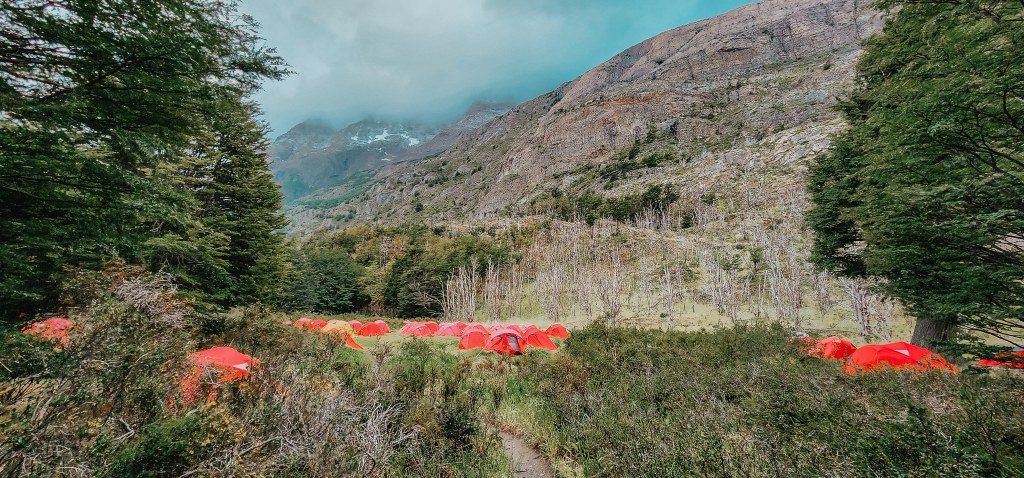
Planning Your Hiking Adventure in Patagonia
Going on a Patagonia adventure trail is an exciting thing to do. The region has many different landscapes that offer some of the best trekking routes you can imagine. When planning your hiking trip in Patagonia, keep these important things in mind:
Best Times to Hike
- Spring (October to November): Fewer tourists and maybe even witness a super bloom of flowers.
- Summer (December to February): Ideal for longer treks with extended daylight hours.
- Autumn (March to April): Enjoy the beautiful fall colors and cooler temperatures.
Essential Packing List
Pack thoughtfully for varying trail types:
- Clothing: Layered clothing, waterproof jacket, thermal base layers.
- Footwear: Sturdy hiking boots with good ankle support.
- Camping Gear: Lightweight tent, sleeping bag rated for cold temperatures, portable stove.
- Extras: Trekking poles, water purification system, and a reliable map or GPS device.
Transport Options
Reaching trailheads can require some planning:
- Buses: Commonly used for accessing popular trails from towns like Puerto Natales and El Chaltén. Consider checking out Bus-Sur Bus-Sur for routes from Puerto Natales to Torres del Paine or Chalten Travel Chalten Travel for connections to El Chaltén.
- Rental Cars: Offer flexibility for exploring remote areas at your own pace. Consider checking out popular rental companies such as Rentalcars.com, Europcar, and Avis for options in Patagonia.
- Ferries and Boats: Certain trails, like those on Isla Navarino, might necessitate water transport. Consider checking out Transbordadora Austral Broom for schedules and bookings.
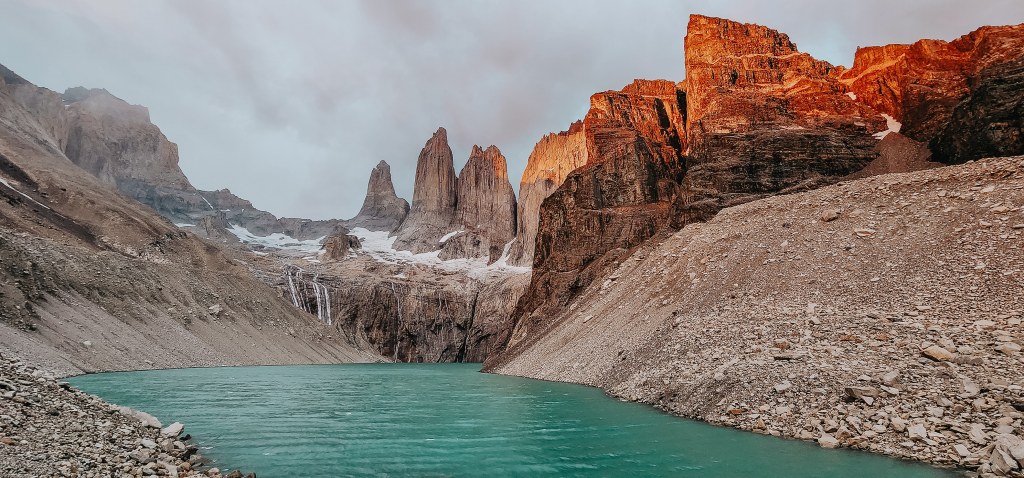
Essential Hiking Tips for Enjoyable Experiences in Torres del Paine National Park
Embarking on Patagonia’s Best Hiking Trails Beyond the W Trek in Torres del Paine calls for some savvy preparation. Here’s what you need to know:
1. Park Entry Requirements
Before setting foot on these breathtaking trails, ensure you’ve secured your park entry passes. Pre-booking is recommended, especially during peak seasons, as visitor numbers are regulated to preserve the park’s pristine beauty.
2. Camping Logistics
Camping across Patagonia requires thoughtful planning. Many popular sites require advanced bookings. Check campground availability and make reservations through official platforms to avoid last-minute disappointments.
3. Gear Up Right
Essential gear includes sturdy boots, weatherproof clothing, and a reliable tent. The unpredictable Patagonian weather means layers are your best friend!
Wrap-Up
Venturing beyond the renowned W Trek in Patagonia offers adventurous hikers an opportunity to explore some of the most breathtaking and lesser-known trails in the region. Whether it’s the challenging Cerro Castillo Circuit or the remote Dientes de Navarino Trek, each path presents unique landscapes, wildlife views, and unforgettable experiences. By planning carefully, respecting park guidelines, and gearing up appropriately, you can ensure a safe, enjoyable, and truly memorable journey through Patagonia’s pristine wilderness. Embrace the adventure and let these hidden gems become highlights of your Patagonian exploration.
For all my adventure travelers out there, here are some more posts you’ll love:
Patagonia: The W Trek (pre prep and getting there)
6 of the World’s Best Hiking Trails
Top 31 Underrated Things to do in Bolivia
Complete Itinerary for Patagonia: The Guide through Chile
Bucket List Adventures: Top 5 Experiences to Have Before You Die
Plan Your Adventure
Are you ready for an unforgettable adventure? Start planning your hiking trip in Patagonia, exploring beyond the W Trek. Discover the awe-inspiring beauty of these hidden trails and create memories that will last a lifetime. Don’t forget to stay in touch and join my mailing list for all the travel tips.
FAQs (Frequently Asked Questions)
What are some lesser-known hiking trails in Patagonia?
Patagonia offers several beautiful hiking trails beyond the popular W Trek. Some of the top alternatives include the Cerro Castillo Circuit, Dientes de Navarino Trek, El Chaltén and Mount Fitz Roy Trails, Huemul Circuit, and various trails in Parque Patagonia. These hikes provide unique landscapes and opportunities for wildlife encounters.
Why should I consider hiking trails other than the W Trek?
Exploring trails beyond the W Trek allows for a more secluded experience with less crowded paths. You can enjoy unique landscapes, encounter diverse wildlife, and find opportunities for solitude and reflection away from the busier tourist spots.
What is the difficulty level of the Cerro Castillo Circuit?
The Cerro Castillo Circuit features a moderate difficulty level, making it accessible to experienced hikers. The trail offers breathtaking views of glacial landscapes and wildlife sightings, but preparation is essential for navigating its terrain.
What should I pack for a hiking trip in Patagonia?
When planning a hiking trip in Patagonia, it’s important to pack according to the trail type. Essential items include sturdy hiking boots, weather-appropriate clothing, camping gear if necessary, food supplies, and plenty of water. Always check specific trail requirements for additional gear recommendations.
Are there any specific tips for hiking in Torres del Paine National Park?
Yes! Before hiking in Torres del Paine National Park, familiarize yourself with park entry requirements and make necessary camping reservations in advance. It’s also advisable to check campground availability to ensure you have a place to stay during your hike.
When is the best time to hike in Patagonia?
The best time to hike in Patagonia typically falls between late spring (November) and early autumn (March), when weather conditions are milder. However, be prepared for sudden weather changes at any time of year as conditions can be unpredictable.



2 Comments