
10 Essential Tips for a Successful Kilimanjaro Lemosho Trek
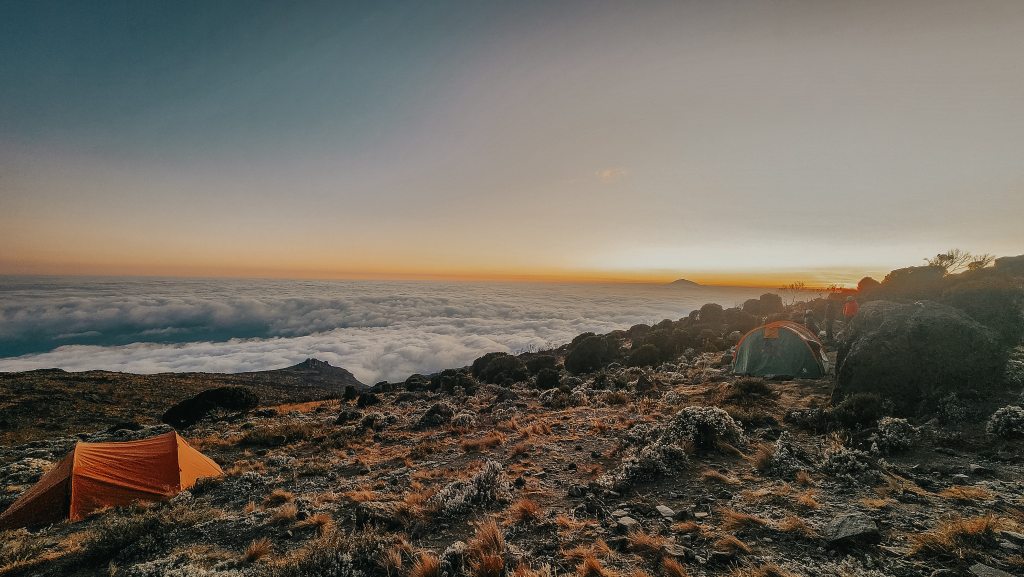
Mount Kilimanjaro, the highest peak in Africa, stands at an impressive 5,895 meters (19,341 feet) above sea level. Known for its amazing views and diverse ecosystems, it attracts thousands of trekkers every year. The appeal of climbing Kilimanjaro goes beyond its natural beauty; it also offers a challenging experience, making it a must-do adventure for many (myself included).
Among the various routes to the summit, the Lemosho route is one of the more popular one. Offering a longer and more gradual ascent compared to other paths like Marangu and Machame, the Lemosho route increases your chances of successful acclimatization (around 93%). This route provides breathtaking scenery and fewer crowds.
I want to prep you by offering 10 essential tips for a successful Kilimanjaro Lemosho trek. Whether you’re an experienced climber or new to these types of adventures, I hope these insights will help you navigate this iconic mountain efficiently and safely. From understanding the specifics of the route to preparing physically and mentally, you’ll find comprehensive guidance to ensure your trek is as rewarding as possible.
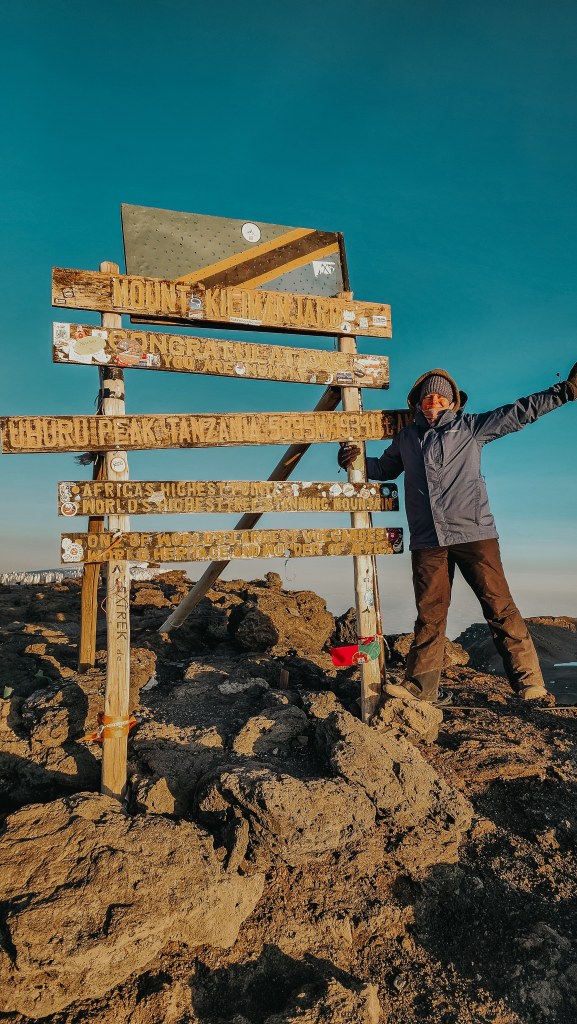
Plus these helped me summit in September 2024!
Some of the links on this blog are affiliate links. If you click on one of these links and make a purchase, I may earn a small commission. Please read my disclosure policy if you’d like to know more. Your support helps me continue to provide travel inspiration.
Another great way to support my blog is by liking and subscribing. And I love it when you leave a comment and connect with me on Instagram and Pinterest!

1. Understanding the Lemosho Route
Description of the Lemosho Route
The Lemosho route is known for some of the most iconic landscapes. Spanning between 70-72 kilometers, this trail generally takes 6-8 days to complete, offering trekkers ample time for acclimatization. Starting on the western side of Mount Kilimanjaro, the route goes through rainforests and the moorland before reaching the alpine desert and finally, the summit at Uhuru Peak.
Kilimanjaro Routes Comparison
When comparing Kilimanjaro routes, the Lemosho route stands out:
- Machame Route: Known as the “Whiskey” route, it is popular but more crowded. It offers a steeper climb with moderate difficulty.
- Marangu Route: Often referred to as the “Coca-Cola” route, it is perceived as easier due to hut accommodations but has a lower success rate due to rapid ascent.
- Lemosho route, by contrast, boasts higher success rates due to its gradual ascent and extended itinerary.
Unique Features and Advantages of the Lemosho Route
Several features make the Lemosho route a preferred choice for climbers:
- Scenic Variety: From dense rainforests to open moorlands and dramatic valleys.
- Wildlife Encounters: Higher chances of spotting animals like colobus monkeys in the lower sections.
- Better Acclimatization: Longer duration and gradual elevation gain reduce altitude sickness risk.
- Less Crowded: Compared to routes like Machame and Marangu, offering a more tranquil trekking experience.
Choosing the Lemosho route can significantly enhance your Kilimanjaro trekking experience with its balanced challenges and rewarding views.
2. Preparing for Your Trek
Physical Training
Admitly, I didnt really ‘train’ for my trek. However, I do regulary work out and do a bit of cardio, which I think helped. However, the climb still requires some thorough physical preparation due to the altitude and length of the trek.
Recommended Training Exercises
- Cardio Workouts: Engage in activities like running, cycling, or swimming to build your endurance. Aim for at least 30-45 minutes of cardio, 4-5 times a week.
- Hiking Practice: Incorporate hiking into your training regime. Opt for trails with varied terrain to simulate conditions on Kilimanjaro.
- Strength Training: Focus on building leg and core strength. Exercises like squats, lunges, and deadlifts are beneficial.
- Flexibility Exercises: Yoga or stretching routines help improve flexibility and prevent injuries (especially while on the trail).
**Disclaimer: I’m not a certified trainer/coach. However, these are some of the activities I regularly implemented into my daily life that I feel contributed to my successful summit.
Duration and Frequency of Training Sessions
Consistency is key when preparing for Kilimanjaro Lemosho climb:
- Start Early: Begin your training regimen at least 3-6 months before your trek date.
- Gradual Increase: Slowly increase the intensity and duration of your workouts. Start with moderate hikes and progressively tackle more challenging trails.
- Weekly Schedule: Dedicate 4-5 days a week to physical training. Include a mix of cardio, strength, and flexibility exercises.
Importance of Cardiovascular Fitness and Strength Training
High-altitude trekking can place significant stress on your cardiovascular system. Strong cardiovascular fitness can ensure efficient oxygen delivery to muscles, crucial at high altitudes where oxygen levels are lower.
Strength training enhances muscle endurance and stability, particularly in your legs and core:
- Leg Strength: Essential for navigating steep ascents and descents.
- Core Stability: Helps maintain balance on uneven terrain.
- Upper Body Strength: Useful for carrying your backpack comfortably over long distances.
Incorporating these elements into your preparation routine will equip you physically to handle the demanding nature of the Kilimanjaro Lemosho route, ensuring a safer and more enjoyable trekking experience.

Mental Preparation
Preparing for the Kilimanjaro Lemosho climb requires not only physical strength but also mental toughness especially on summit day. Building mental resilience for those challenging sections of the trek can significantly influence your overall experience.
Techniques to Build Mental Resilience:
- Visualization: Picture yourself overcoming difficult parts of the climb. This helps create a positive mindset.
- Mindfulness and Meditation: Practice deep breathing exercises and meditation to stay calm and focused.
- Setting Milestones: Break down the trek into smaller, manageable goals to avoid feeling overwhelmed.
Strategies to Maintain Morale and Motivation:
- Positive Reinforcement: Regularly remind yourself why you chose this adventure. Keep a journal of daily achievements.
- Engage with Surroundings: Focus on the beautiful scenery and unique wildlife encounters along the Lemosho route.
Importance of Group Support and Bonding with Fellow Climbers
Group dynamics play a crucial role in your journey. Bonding with fellow trekkers or your guide can provide emotional support during tough times. I was ‘party of one’ for my trek. However, I truly felt my guide Mandey pushed me on summit day to make it. Plus, I was able to learn a ton about his culture, family, and job as a guide.
- Team Activities: Participate in group activities such as singing or storytelling to foster camaraderie. If singing is not your thing Hakuna Matata! You’ll regularly catch other groups (porters/guides) singing the Kili song.
By focusing on these mental preparation strategies, you ensure a well-rounded approach to tackling the various challenges of hiking Mt Kilimanjaro.
3. Essential Gear for the Trek
Packing the right gear for your Kilimanjaro Lemosho trek is crucial. Here’s a detailed guide on what you need to ensure a comfortable and successful climb. Often times tour companies will have a lot of this gear for rent so make sure you check before packing. I had no desire to travel with a sleeping bag and poles so renting them was a way better option.
Clothing Layers
Layered clothing is essential due to varying temperatures along the trail. Your packing list should include:
- Base layers: Moisture-wicking shirts and thermal leggings.
- Insulating layers: Fleece jackets and down vests.
- Outer layers: Waterproof and windproof jackets and pants.
Sleeping Gear
A good night’s sleep helps with recovery. Consider:
- Sleeping bag: A four-season sleeping bag rated for sub-zero temperatures.
- Sleeping mat: For added insulation and comfort. However, most companies provide this already (just check).
Trekking Poles
Trekking poles provide stability on uneven terrain and reduce strain on your knees. Adjustable poles are recommended to accommodate varying inclines.
Footwear and Accessories
Proper footwear can make or break your trek. Invest in:
- Hiking boots: Sturdy, waterproof, and well-broken-in boots.
- Gaiters: To keep debris out of your boots.
- Gloves: Insulated gloves for warmth, plus liner gloves for dexterity. (you will need both pairs-trust!)
Packing Tips
Optimizing space in your backpack ensures you carry all necessary items without overloading: (Also keep in mind that the limit on your main pack is 15kg. This keeps porters safe with the gear they take along)
- Compression sacks: Useful for reducing the volume of bulky items like sleeping bags.
- Stuff sacks: To organize gear by category (e.g., clothing, food).
Additional Essentials
Don’t forget these crucial items:
- Hydration system: Hydration packs or water bottles with filters. FYI: No plastic bottles are allowed.
- Headlamp: For hands-free lighting during early morning or late-night climbs (essential for summit day).
- Personal hygiene items: Body wipes, lip balm, hand sanitizers.
Ensuring you have the right gear enhances comfort and safety throughout your Kilimanjaro adventure.

4. Acclimatization Strategies on the Lemosho Route
Understanding altitude sickness is crucial for a successful climb. Altitude sickness, also known as acute mountain sickness (AMS), can manifest through symptoms such as headaches, nausea, dizziness, and fatigue. If left unchecked, it can escalate to more severe forms like high altitude pulmonary edema (HAPE) or high altitude cerebral edema (HACE), which require immediate descent.
Effective acclimatization practices specific to the Lemosho route include:
- Gradual Ascent: The Lemosho route offers a longer trek duration compared to other routes like Machame, providing better acclimatization opportunities by allowing your body more time to adjust to the increasing altitude. +Pole Pole = Slowly Slowly (dont rush)
- Climb High, Sleep Low: This principle involves trekking to higher altitudes during the day and descending to lower elevations to sleep. An example is the trek from Shira Camp 2 to Lava Tower and back down to Barranco Camp.
- Staying Hydrated: Hydration aids in acclimatization. Aim for at least 3-4 liters of water per day. Using hydration packs ensures easy access to water while trekking.
- Rest Days: The Lemosho route includes rest days that are strategically placed to allow your body ample time to adapt.
- Medications: Medications like Diamox (acetazolamide) can be used as a preventive measure against AMS. Consult with your healthcare provider before your trip.
- Electrolytes: I’m not going to say this plus the altitude medicine is full proof way to not get altitude sickness, but I felt it did wonders for me.
Each of these strategies contributes significantly to increasing your chances of reaching Uhuru Peak successfully when climbing Kilimanjaro on the Lemosho route.
By following these acclimatization tips, you enhance your ability to cope with high altitudes and improve your overall trekking experience on Mount Kilimanjaro.

5. Daily Itinerary Overview: A Glimpse into Your 8-Day Trekking Adventure
Embarking on an 8-day Lemosho itinerary provides a balanced mix of adventure, acclimatization, and awe-inspiring landscapes. Here’s a detailed breakdown of what you can expect each day:
Day 1: Londorossi Gate to Mti Mkubwa Camp
Hiking Duration: Approximately 3-4 hours
Start your journey through lush rainforest terrain, setting the tone for the adventure ahead. Keep an eye out for colobus monkeys and other exotic wildlife.
Day 2: Mti Mkubwa to Shira 1 Camp
Hiking Duration: Around 5-6 hours
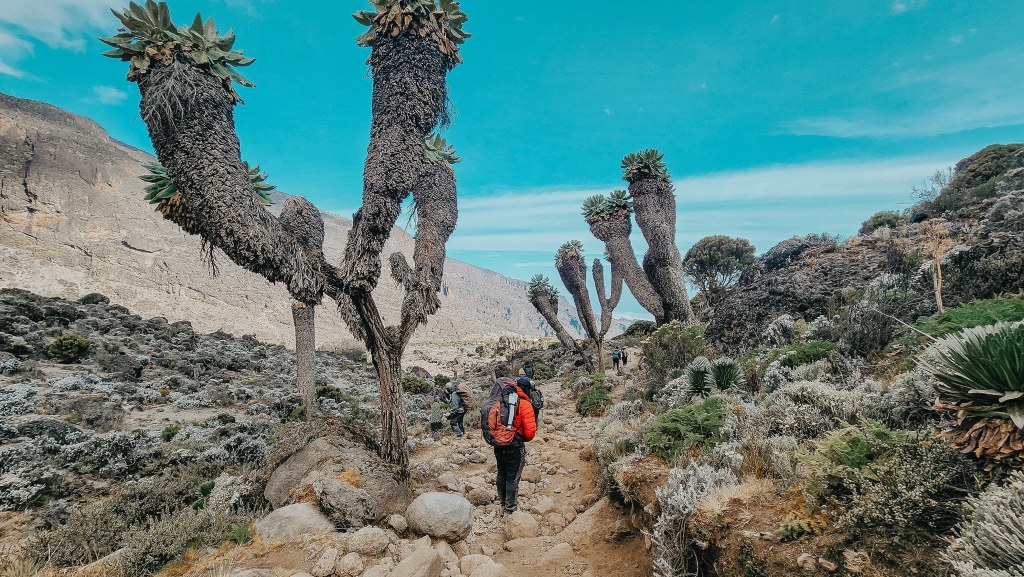
Transition from the dense forest to the heather moorland zone. The day’s highlight is reaching Shira Plateau with its unique flora and fauna.
Day 3: Shira 1 to Shira 2 Camp
Hiking Duration: Roughly 4-5 hours
This relatively easy trek offers expansive views of Mount Meru in the distance. Spend your evening enjoying a panoramic sunset.
Day 4: Shira 2 to Barranco Camp via Lava Tower
Hiking Duration: Approximately 7-8 hours
Acclimatize as you ascend to Lava Tower at 4,630 meters before descending to Barranco Camp. Watch for spectacular views of the Western Breach Wall.
Day 5: Barranco Camp to Karanga Camp
Hiking Duration: Around 4-5 hours
Conquer the Barranco Wall, a challenging yet rewarding climb. The Karanga Valley offers surreal landscapes and opportunities for acclimatization.
Day 6: Karanga to Barafu Camp
Hiking Duration: Roughly 3-4 hours
A shorter trek sets you up for summit night. Prepare yourself mentally and physically while resting at Barafu Camp.
Day 7: Barafu to Uhuru Peak, then descent to Mweka Camp
Summit Ascent: About 6-7 hours
Descent: Approximately another 6 hours
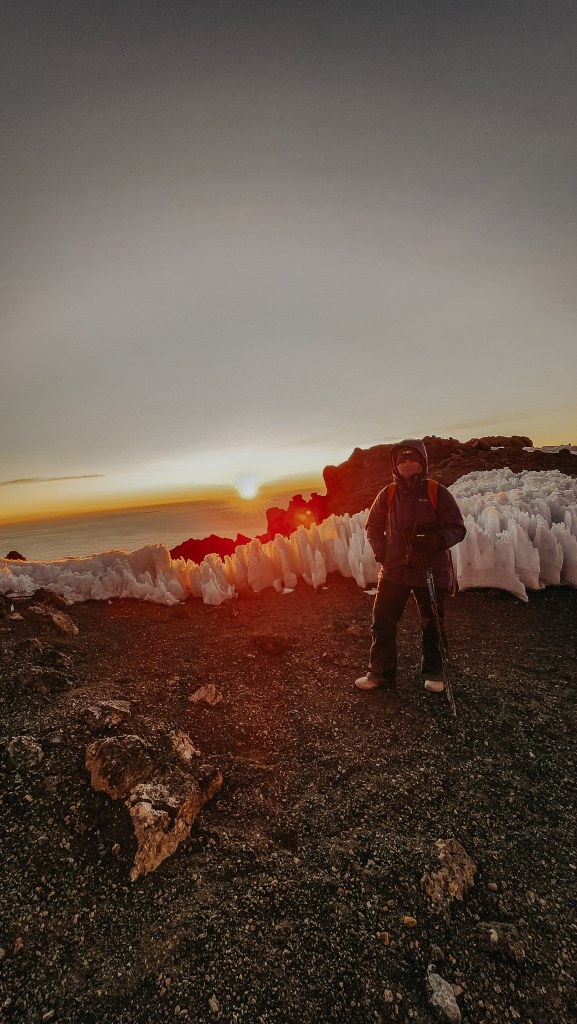
Begin your final ascent around midnight. Experience the elation of reaching Uhuru Peak at sunrise before descending through diverse ecosystems back to Mweka Camp.
**Be prepared for a LONG day. The midnight hike to the summit, plus decent, you will only get a brief break and meal before packing up and hiking another 6km to the next camp.
Day 8: Mweka Camp to Mweka Gate
Hiking Duration: Around 3-4 hours
Complete your journey with a descent through lush rainforests, reflecting on your incredible accomplishment as you head towards civilization.
This daily diary not only outlines the physical demands but also highlights unforgettable moments like breathtaking viewpoints and potential wildlife encounters along the Lemosho route. Each step brings you closer to achieving your summit dreams while immersing you in Kilimanjaro’s natural beauty.
6. Nutrition Considerations During Your Climb: Fueling Your Body Right!
Proper nutrition is crucial when undertaking the Kilimanjaro Lemosho trek. Reputable tour operators are well-equipped to cater to a variety of dietary requirements, including vegetarian options.
Typical Meals Provided
During the climb, you can expect:
- Breakfast: Often includes items like porridge, fresh fruits, pancakes, and eggs. For vegetarians, alternatives such as tofu or beans are available.
- Lunch: Usually consists of hearty soups, chicken with maybe salads that include ingredients like quinoa and chickpeas.
- Dinner: A three-course meal with a soup starter, followed by mains such as vegetable stews, pasta dishes with tomato sauce, and rice with sautéed vegetables. Fresh fruit or simple desserts round off the meal.
Snacks and Hydration
To keep your energy levels high:
- Snacks: Nuts, dried fruits, energy bars, and chocolate are excellent for quick energy boosts.
- Hydration: Carry hydration packs and use electrolyte supplements to maintain optimal hydration levels throughout the trek.
**One thing I noted about this hike was that I rarely consumed any of snacks I brought (still bring them though!). But with my tour, I was regularly fed snacks along the way. In fact, my backpack was full of snacks I couldn’t finish.
Importance of Balanced Diet
Consuming the food they offer is important as it is balanced and offers plenty of carbohydrates, proteins, and fats is crucial for:
- Maintaining energy levels
- Supporting muscle recovery
- Enhancing overall endurance
Special Dietary Needs
If you have special dietary needs:
Communicate your preferences to your tour operator in advance.
They often accommodate requests for gluten-free or vegan meals.
Proper nutrition ensures you’re well-fueled for each day’s challenges on the Lemosho route.
7. Safety Tips During Your Epic Adventure on Mount Kilimanjaro!
When going on the Kilimanjaro Lemosho trek, safety is the most important thing. Knowing the climbing difficulties on Kilimanjaro will help you get ready for what’s coming.
Common Safety Concerns:
- Altitude Sickness: Symptoms include headaches, nausea, and dizziness. It’s crucial to monitor your health and communicate any discomfort to your guide.
- Rocky Paths: These can be slippery and uneven. Using trekking poles can provide extra stability. Poles were my lifesaver!
- Steep Ascents: The Barranco Wall is a notable challenge. Ensure you are physically prepared for sections requiring both strength and balance.
Essential Safety Tips:
- Pace Yourself: “Pole pole” (Swahili for “slowly, slowly”) is the mantra. Rushing can increase the risk of altitude sickness.
- Hydration: Keep hydrated with at least 2-3 liters of water daily. Hydration packs are convenient.
- Proper Gear: Sturdy hiking boots with good ankle support are essential. Layered clothing helps adapt to temperature changes.
Environmental Hazards:
- Weather Changes: Be prepared for sudden weather shifts by carrying waterproof layers.
- Wildlife Encounters: While rare, always follow your guide’s advice regarding local wildlife.
Emergency Protocols:
- First Aid Kits: Carry a personal first aid kit with essentials like antiseptics and bandages. I’d also recommend mole skin. This saved me from a very painful few days.
- Guides’ Expertise: Trust in your guides’ experience; they are trained to handle emergencies and ensure trekkers’ safety.
Knowing these safety tips will help you face the adventure with confidence, making sure you have an unforgettable but secure trip on the grand slopes of Kilimanjaro.
8. Best Times To Embark On An Unforgettable Journey Up The Majestic Peak Of Africa!
Choosing the best time to climb Kilimanjaro via the Lemosho route is also important for a successful trek. The weather conditions on Kilimanjaro can vary significantly depending on the season, impacting both the trekking experience and success rate.
Seasonal Variations
- January to March: This period offers clear skies and relatively warm temperatures. However, occasional afternoon rains can be expected. These months are ideal for those who prefer fewer crowds.
- April to May: Known as the long rainy season, these months are characterized by heavy rainfall and muddy trails. While the mountain is less crowded, trekking conditions can be challenging.
- June to October: These are considered the best months due to dry weather and stable conditions. Clear skies provide stunning views, making it a popular choice among trekkers. July and August are peak seasons, so expect more fellow climbers.
- November: The short rainy season brings intermittent showers but is generally less intense than the long rainy season. Trails may still be wet and slippery.
- December: Similar to January, December offers a mix of clear skies and occasional rains. It’s also a popular month due to holiday seasons, attracting more climbers.
Temperature Fluctuations
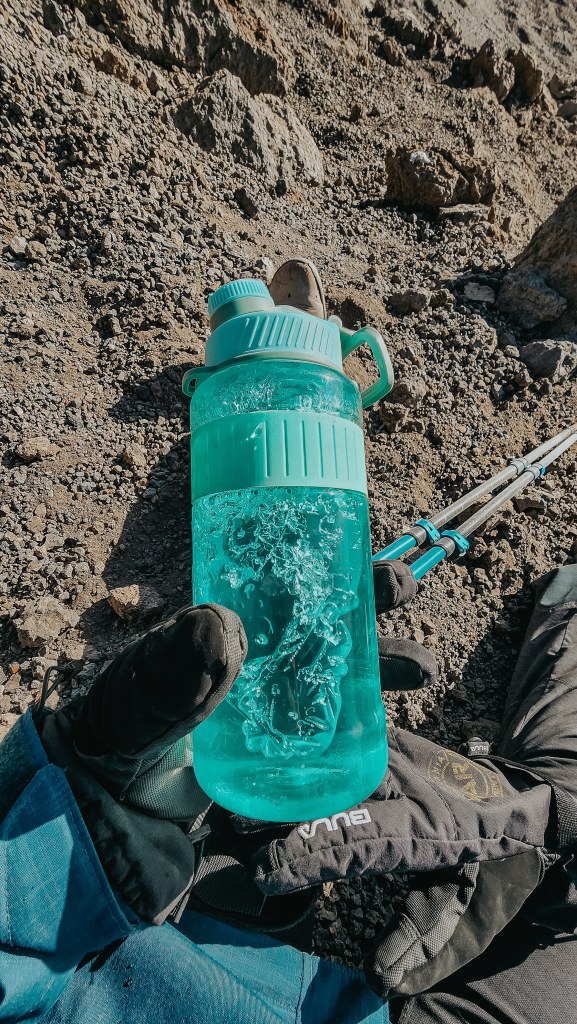
At higher altitudes like Uhuru Peak, temperatures can plummet drastically regardless of the season (just ask my almost frozen waterbottle). Nighttime temperatures near the summit often drop below freezing, especially during January, February, September, and October when the skies are clear but cold nights prevail.
Being aware of these seasonal variations allows you to plan your trek during periods that align with your preferences for weather conditions and crowd levels.
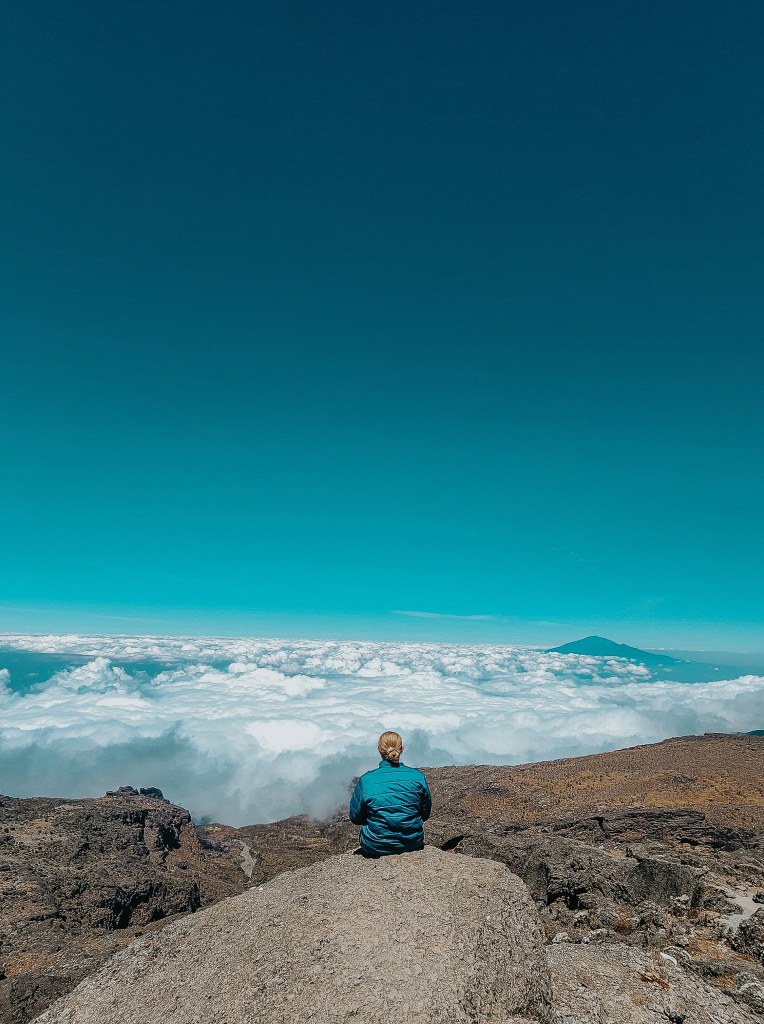
9. Personal Experiences And Insights From Fellow Adventurers Who Conquered This Iconic Summit!
Some of my memorable experiences:
- Shira Plateau: It a surreal experience with vast plains stretching as far as the eye could see. Plus, if offers some amazing views of the mountain.
- Lava Tower: Standing at 4,600 meters. It’s often a critical point where altitude sickness might start to kick in. Here I didnt feel amazing, but I never got sick. Thankfully, you stop here for lunch. Make sure to fill up on good food, hydrate, and enjoy the rest.
- Summit: Night hikes can be challenging, especially if you keep going up and up, only catching glimpse of headlamps way higher than you and nothing else. We started around midnight where the silence was only broken by our footsteps. There is definitely a layer of mental fortitude required to deal with those grueling hours before dawn when fatigue sets in and temperatures plummet. But making it to the top: Chef’s kiss!
Wrap-Up
Embarking on the Kilimanjaro Lemosho route will for sure offer a unique and rewarding adventure. Armed with these essential tips, I know you can significantly improve your success rate for Kilimanjaro climbs. Remember:
- Stay positive and flexible with your plans.
- Enjoy every moment of this life-changing experience.
- Refer to my amazing guide to plan your trek!
Hiking Mt Kilimanjaro is within your reach. Take the leap, start planning, and make unforgettable memories on the world’s tallest free-standing mountain.
FAQs (Frequently Asked Questions)
What is the Lemosho route and why is it popular for climbing Kilimanjaro?
The Lemosho route is one of the preferred paths to summit Mount Kilimanjaro, known for its stunning scenery and higher success rates. It offers trekkers a diverse landscape and ample time for acclimatization, which significantly contributes to a successful climb.
How should I prepare physically for the Kilimanjaro Lemosho trek?
Preparing physically involves engaging in cardiovascular fitness and strength training. Recommended exercises include hiking, running, and resistance training. It’s important to start training several months in advance, gradually increasing the intensity and duration of workouts to build endurance.
What essential gear should I pack for the Kilimanjaro Lemosho trek?
Essential gear includes layered clothing suitable for varying temperatures, a quality sleeping bag, trekking poles, proper footwear, and accessories like gaiters and gloves. Packing efficiently while ensuring you have all necessary items will enhance your comfort on the trail.
What are some acclimatization strategies for climbing Kilimanjaro on the Lemosho route?
Acclimatization strategies include ascending slowly to allow your body to adjust to higher altitudes, staying hydrated, and incorporating rest days into your itinerary. Understanding altitude sickness symptoms and following recommended practices can help mitigate related issues.
When is the best time to climb the Kilimanjaro Lemosho route?
The best times to climb are during the dry seasons from June to October and January to March when weather conditions are more favorable. Seasonal variations can influence trekking conditions, so being aware of rainfall patterns and temperature fluctuations is crucial.
What safety tips should I keep in mind during my Kilimanjaro trek?
Safety tips include being aware of your surroundings while navigating rocky paths or steep ascents, maintaining hydration, recognizing signs of altitude sickness early, and ensuring you have appropriate gear. It’s also beneficial to stay connected with your group for support.


One Comment